
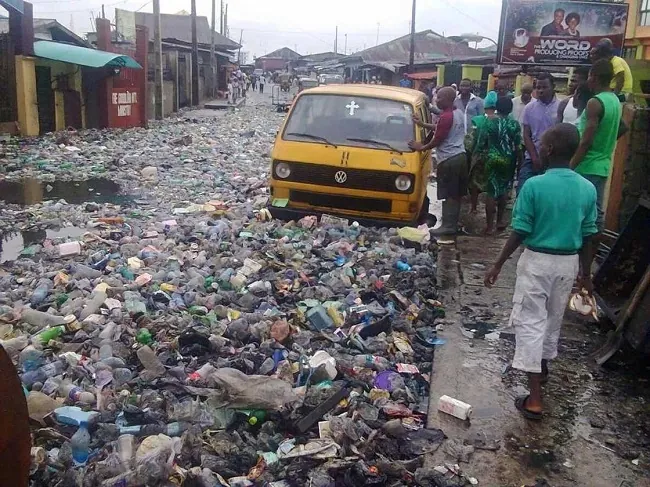
In Yobe and Kebbi states, malaria remains a devastating public health threat, with poor sanitation and environmental neglect seriously undermining government interventions.
Despite widespread efforts by health authorities, communities continue to record high rates of infection, particularly among pregnant women and children, the most vulnerable groups.
In Gujba, Yobe State, the burden on local health centres has grown significantly. At a primary healthcare facility, medical staff are overwhelmed with cases of severe malaria, often complicated by malnutrition. One such patient, a one-year-old boy named Hassan Idris, lies weak and unresponsive, suffering from both malaria and acute malnutrition. His mother, Aisha Idris, expressed her helplessness, explaining that the recurring illness in her family had exhausted both their strength and finances. For her, the combination of poor hygiene and inconsistent access to clean water has made recovery nearly impossible.
Across many parts of Yobe, stagnant water in open drains and blocked gutters have created ideal breeding grounds for mosquitoes. Residents lament the decline in official sanitation exercises, which they say has worsened the mosquito infestation in their communities. Many believe that while mosquito nets and medications are distributed, they offer only temporary relief without real improvements in environmental hygiene.
Health data from the region reflects the severity of the problem. In Potiskum, the Dogon Zare Primary Healthcare Centre recorded 18 cases of low birth weight, 57 miscarriages, and 78 cases of anemia in pregnant women between May and October 2024—all linked to malaria. Nearby, the Badejo clinic documented 409 malaria cases in pregnant women and 369 in children over the same period. Healthcare providers acknowledge the support provided through treatment kits and insecticide-treated nets, but warn that without improved sanitation, their efforts will not be enough to curb the spread.
The situation in Kebbi State is equally grim. With its network of rivers and irrigation projects, stagnant pools of water have become common across communities, creating ideal mosquito habitats. Officials there admit that a widespread misunderstanding about how mosquitoes breed has also hindered prevention. Many residents incorrectly believe mosquitoes only thrive in dirty water, ignoring the clean but stagnant pools around their homes. This lack of awareness has made it harder to contain outbreaks.
In June 2024, Kebbi authorities launched a monthly environmental sanitation initiative aimed at reducing disease by encouraging better hygiene practices. The program involves house-to-house inspections, fumigation, and public education campaigns. Plans are also underway to build permanent landfill sites and waste recycling centres to improve long-term sanitation infrastructure.
Yobe State is also considering reinstating its suspended monthly cleanup campaigns. Health officials there insist that interventions like insecticide-treated nets and malaria medications are ineffective in isolation and that the real solution lies in addressing the environmental conditions that allow mosquitoes to thrive. Without this, they say, the fight against malaria will continue to be an uphill battle.
To further support prevention, Kebbi State has rolled out Seasonal Malaria Chemoprevention and introduced a pilot malaria vaccine, with doses donated by global health organisations. These vaccines are expected to offer additional protection during peak transmission seasons. However, logistical issues and funding gaps have limited the full implementation of these programs.
As the malaria crisis persists in Yobe and Kebbi, it is increasingly clear that a combination of medical treatment, community awareness, and consistent environmental sanitation is required to reduce the disease burden. Until these challenges are addressed in a coordinated and sustained manner, residents in both states will remain trapped in a dangerous cycle of infection, treatment, and reinfection.

