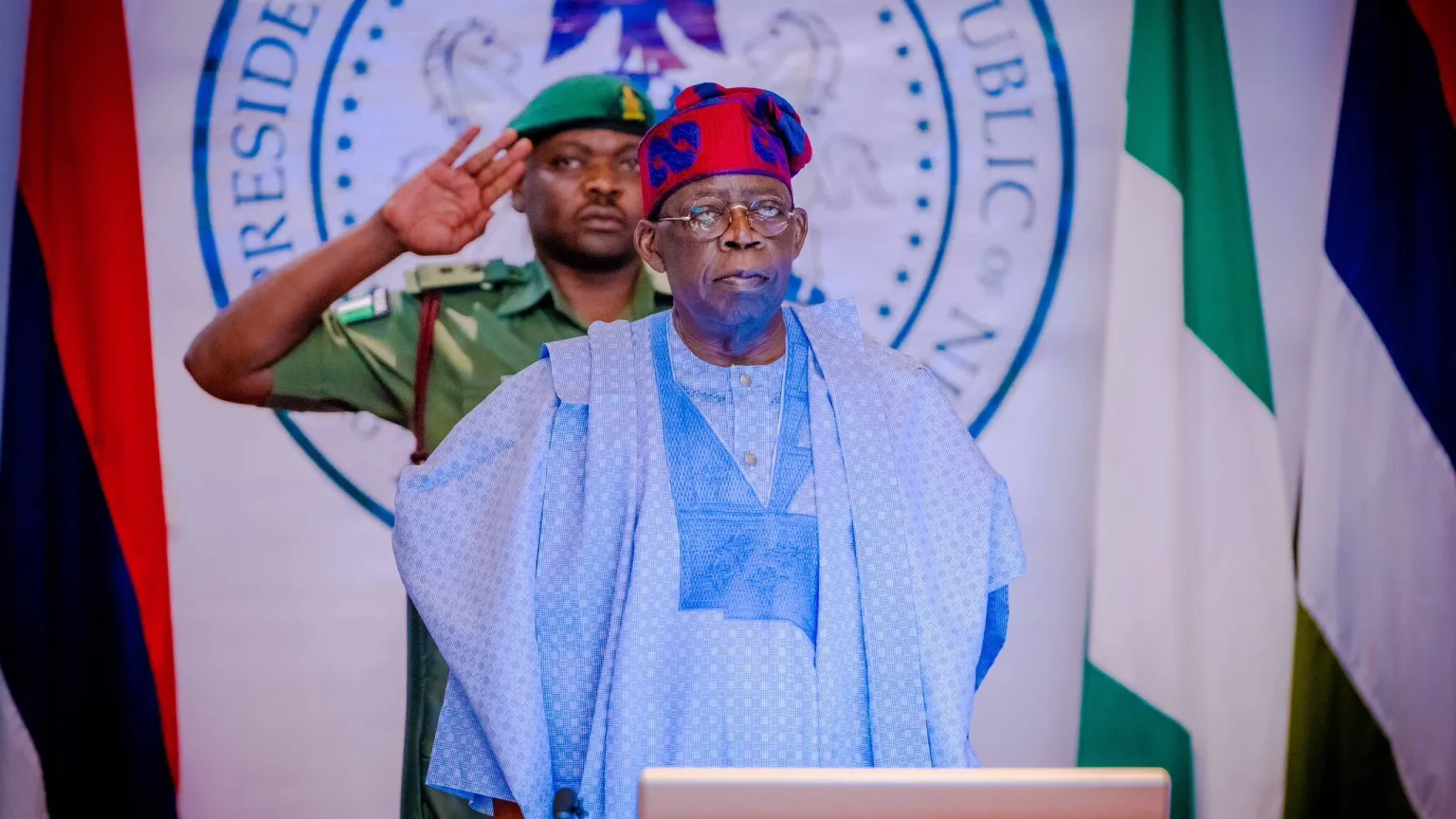
President Bola Ahmed Tinubu has dismissed doubts over the viability of Nigeria’s state-owned refineries, insisting that the Port Harcourt and Warri refineries will return to operation and that his administration will ensure the facilities become economically viable.
Tinubu stated this when he received the Executive President of the Nigeria Union of Petroleum and Natural Gas Workers, Salimon Oladiti, and other union members at the Presidential Villa, Abuja.
The President said his administration was not merely focused on restarting the refineries but on establishing a sustainable structure that would enable them to operate profitably.
“The refineries you mentioned are going to come back to work,” Tinubu said, stressing that simply restarting the facilities would not be enough unless they could operate profitably and deliver the value for which they were established.
He said he had accepted responsibility for the assets and liabilities inherited from previous administrations and would focus on ensuring that the refineries worked effectively.
Tinubu’s position contrasts with that of former President Olusegun Obasanjo, who has repeatedly questioned the ability of the Nigerian National Petroleum Company Limited to successfully operate the government-owned refineries.
Obasanjo recently argued that the facilities would be better managed through private-sector participation, drawing from his experience as President between 1999 and 2007.
He recalled that his administration had approached Shell to take a 10 per cent equity stake in the refineries and operate them, but the oil major rejected the proposal. He said Shell also declined a separate offer to operate the facilities without taking an equity stake.
According to Obasanjo, Shell cited the relatively small size of the refineries, poor maintenance and corruption among its concerns.
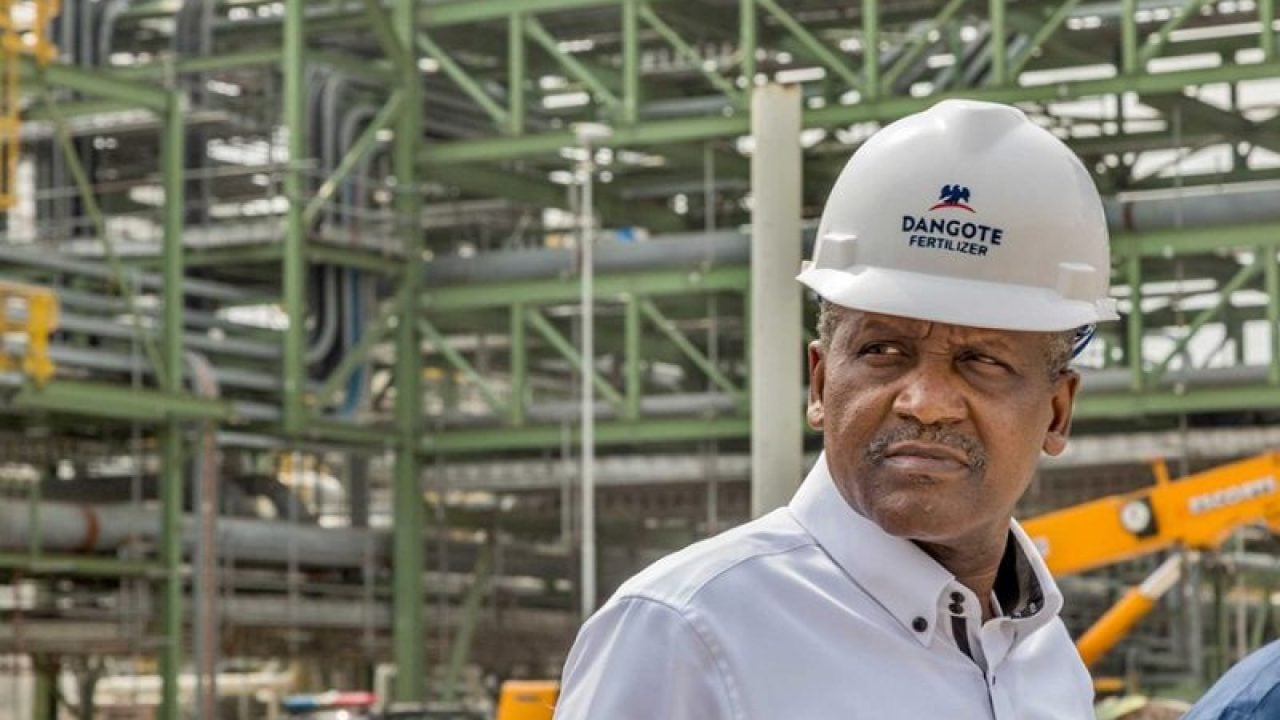
The former President also recalled that Aliko Dangote had offered $750 million for a 51 per cent stake in two of the refineries during his administration, but the transaction was later reversed under the late President Umaru Musa Yar’Adua.
Obasanjo said the government had subsequently spent billions of dollars attempting to rehabilitate the facilities without achieving sustained commercial operations.
Energy expert Dan Kunle has also criticised the continued rehabilitation strategy, arguing that the government should privatise the refineries and redirect public funds to critical sectors such as education, agriculture and infrastructure.
Kunle said successive administrations had attempted to revive the facilities without making them profitable and questioned why the Tinubu administration believed its approach would produce a different outcome.
The disagreement comes as the Federal Government pursues another attempt to restore the refineries to sustainable operations.
The Group Chief Executive Officer of NNPCL, Bayo Ojulari, recently announced a memorandum of understanding with two Chinese companies for the rehabilitation and expansion of the Port Harcourt and Warri refineries.
Stakeholders in the Port Harcourt refinery’s host community have, however, backed the government’s approach, arguing that a successful restart would create jobs, revive businesses and strengthen Nigeria’s energy security.
The Port Harcourt Refinery Host Community Bulk Petroleum Retailers Association said more than 200,000 people depend directly and indirectly on the refinery and related economic activities.
The association also supported the proposed technical equity partnership with the Chinese companies while urging the government to ensure reliable crude oil supply, competent management and proper maintenance of the facility.
For the Tinubu administration, the challenge therefore extends beyond restarting the refineries.
The critical test will be whether the Port Harcourt and Warri refineries can operate consistently, secure adequate crude supplies and generate sufficient revenue to justify the substantial public funds committed to their rehabilitation.
The outcome of the latest rehabilitation effort is expected to determine whether Nigeria’s long-running attempt to restore its state-owned refineries to sustainable commercial operations will finally yield lasting results.