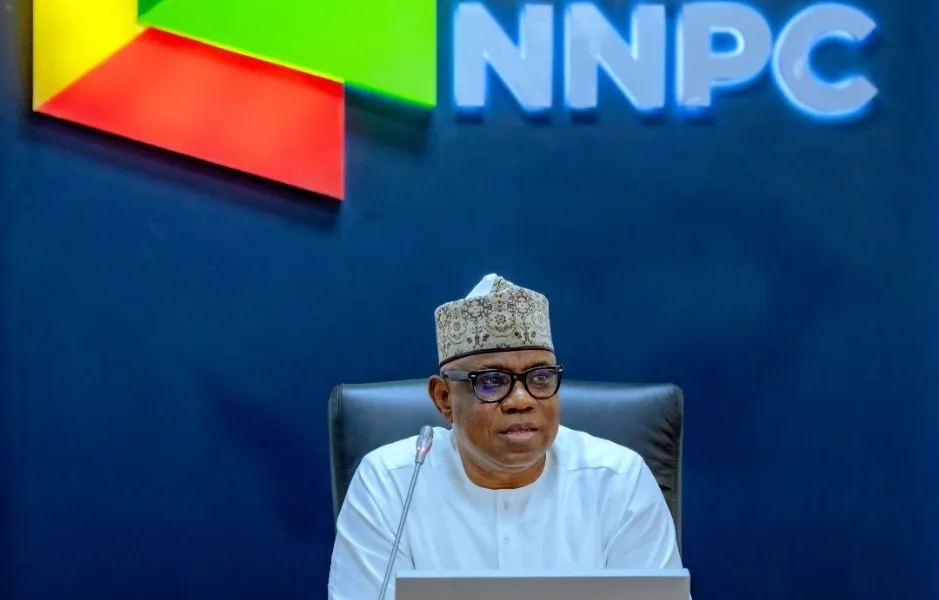
The Nigerian National Petroleum Company Limited (NNPC) has commenced the evaluation phase of its proposed partnership with private operators for the Port Harcourt and Warri refineries, despite continued public criticism over the decision after nearly $3 billion was spent on rehabilitating the facilities.
NNPC Group Chief Executive Officer, Bayo Ojulari, disclosed the development in a post on his X handle, stating that the recently signed Memorandum of Understanding (MoU) with prospective partners had entered a rigorous due diligence stage aimed at ensuring the long-term commercial viability of the refineries.
The move follows widespread debate over NNPC’s decision to seek private sector participation after repeatedly announcing the resumption of operations at the refineries following years of rehabilitation.
According to Ojulari, restoring Nigeria’s refineries requires more than replacing obsolete equipment, stressing that the involvement of experienced technical and commercial partners is critical to achieving sustainable and profitable operations.
“Fixing a refinery takes more than pipes and pumps. It takes the right partners. That’s the thinking behind the MoU recently signed for the Port Harcourt and Warri Refineries, now moving into a rigorous evaluation phase,” he said.
He explained that the proposed arrangement represents a strategic transition to a performance-based business partnership model designed to guarantee efficient refinery operations over the long term rather than temporary improvements.
Ojulari clarified that the Memorandum of Understanding is not a binding agreement but only provides a framework for both parties to explore areas of cooperation while technical and commercial assessments are carried out.
“The MoU is an agreement to explore working together, not a binding contract,” he stated.
The NNPC boss also sought to address concerns over the financial implications of the process, disclosing that prospective partners would fund the entire due diligence exercise.
According to him, the arrangement ensures that the evaluation remains objective, data-driven and imposes no additional financial burden on NNPC.
“Prospective partners are covering the full cost, which keeps the process data-driven,” he added.
Beyond restoring operations at the Port Harcourt and Warri refineries, Ojulari said the broader strategy is to strengthen Nigeria’s downstream petroleum sector through investments in petrochemicals and gas-based industries.
He disclosed that the long-term vision includes expanding the country’s petrochemical value chain and developing new methanol plants to support industrialisation, create additional value from Nigeria’s gas resources and improve energy security.
“The vision includes expanding the petrochemicals value chain and investing in gas-based industries, including new methanol plants,” he said.
The clarification comes amid persistent criticism from industry stakeholders and members of the public, many of whom have questioned the rationale for bringing in private operators after billions of dollars were invested in rehabilitating the refineries.
Critics argue that the decision raises fresh concerns over the effectiveness of the rehabilitation programme and the actual operational status of the facilities. Some Nigerians have also suggested that the ageing refineries should be disposed of rather than subjected to repeated rehabilitation efforts.
Meanwhile, the Organisation of the Petroleum Exporting Countries (OPEC) significantly increased crude oil production in June as Gulf producers restored supplies disrupted during the Iran conflict and the temporary closure of the Strait of Hormuz.
A Reuters survey showed that crude oil production by OPEC’s 11 members rose by about 3.3 million barrels per day in June to 19.43 million barrels per day, rebounding from the lowest monthly production level recorded in more than two decades.
According to the survey, Kuwait and Iran posted the largest production increases after the United States lifted restrictions on shipping to and from Iranian ports, enabling Tehran to restore output.
Saudi Arabia and Iraq also increased production during the month, while Nigeria and Libya recorded modest gains as their exports remained largely unaffected by the regional conflict.
Despite the recovery, the Reuters survey noted that OPEC’s overall production remains below the output quotas agreed by member countries.
The increase follows an earlier decision by seven members of the broader OPEC+ alliance to raise production in June. However, implementation of the plan was delayed by the conflict involving Iran, which disrupted regional oil supplies and maritime shipping routes before production gradually recovered.