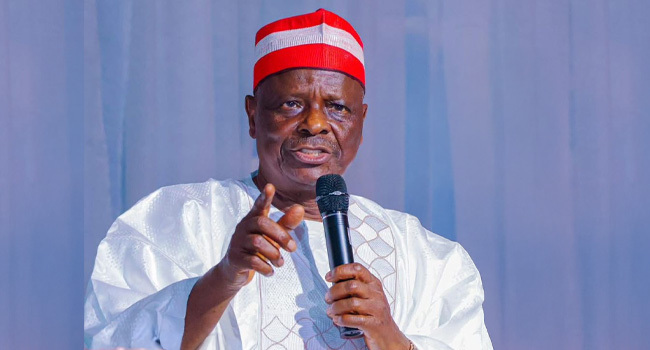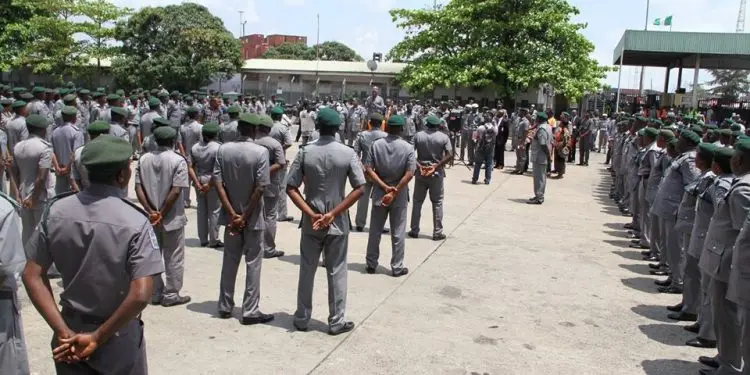
The Nigeria Customs Service recorded 2,500 seizures of prohibited and harmful goods nationwide in 2025, valued at over N59 billion, the agency’s Comptroller-General, Bashir Adeniyi, has disclosed.
Speaking at the 2026 World Customs Day celebration in Abuja themed, ‘Protecting Society Through Vigilance and Commitment,’ Adeniyi said the seizures covered a wide range of items, including narcotics, counterfeit pharmaceuticals, wildlife products, arms and ammunition, petroleum products, vehicles, and substandard consumer goods.
He stated that the operations helped prevent addiction, unsafe medical treatments, violent crime, subsidy exploitation, environmental degradation, treaty violations, and even loss of lives. Adeniyi explained that personnel across the Customs Commands collaborated with sister agencies to disrupt criminal supply chains before harmful goods reached communities.
“At Apapa, we uncovered 16 containers of prohibited goods worth over N10 billion, a single operation combining narcotics, expired pharmaceuticals and concealed firearms. At the airports, officers intercepted over 1,600 exotic birds being trafficked without CITES permits, stopping a wildlife crime operation that would have harmed both biodiversity and Nigeria’s international obligations. Across land borders, our teams seized illicit narcotics and counterfeit medicines worth hundreds of millions of naira, along with ammunition and other prohibited items moving through covert routes,” he said.
Adeniyi emphasised that while such operations may not always make headlines, their long-term impact is significant, reducing exposure to harmful drugs, limiting weapons in criminal networks, preventing counterfeit medicines from reaching patients, and protecting endangered species.
He further highlighted the unveiling of the Trade Risk Study (TRS) as a major milestone for the NCS, aimed at making Nigeria’s trade gateways secure, efficient, predictable, and globally competitive. “This initiative signals our commitment to move from opinion-driven reforms to evidence-based policies and from complaints-driven management to data-driven decision-making,” he said.
The TRS study conducted at Tincan Island Port provided a comprehensive measurement of clearance performance, revealing both strengths and areas for improvement. Adeniyi noted that while examination times were relatively efficient, excessive idle periods caused by fragmented scheduling, manual documentation, and poor coordination extended clearance times unnecessarily, eroding competitiveness. “Our challenge is not that we cannot move goods fast; it is that goods are not allowed to move fast,” he said.
On revenue performance, Adeniyi disclosed that the NCS recorded N7.28 trillion in 2025, surpassing its N6.58 trillion target by N697 billion, representing over 10 per cent growth.
In her keynote address, the Minister of State for Finance, Dr. Doris Uzoka-Anite, said President Bola Tinubu’s administration was implementing fiscal, monetary, and structural reforms to stabilise the macroeconomic environment, strengthen revenue mobilisation, improve investor confidence, and accelerate inclusive growth.
She explained that trade facilitation, border efficiency, and effective revenue assurance were central to these reforms and that the TRS was a strategic policy instrument enabling the government to measure performance, identify bottlenecks, reduce transaction costs, and enhance transparency across the trade ecosystem. Uzoka-Anite added that the successful implementation of the TRS aligned with the Federal Government’s commitment to ease of doing business and data-driven decision-making.