The arrest of seven suspected Boko Haram and Islamic State West Africa Province (ISWAP) commanders upon their return from the 2026 Hajj pilgrimage has triggered fresh concerns over Nigeria’s pre-departure screening process for intending pilgrims and the coordination among agencies responsible for Hajj administration and national security.
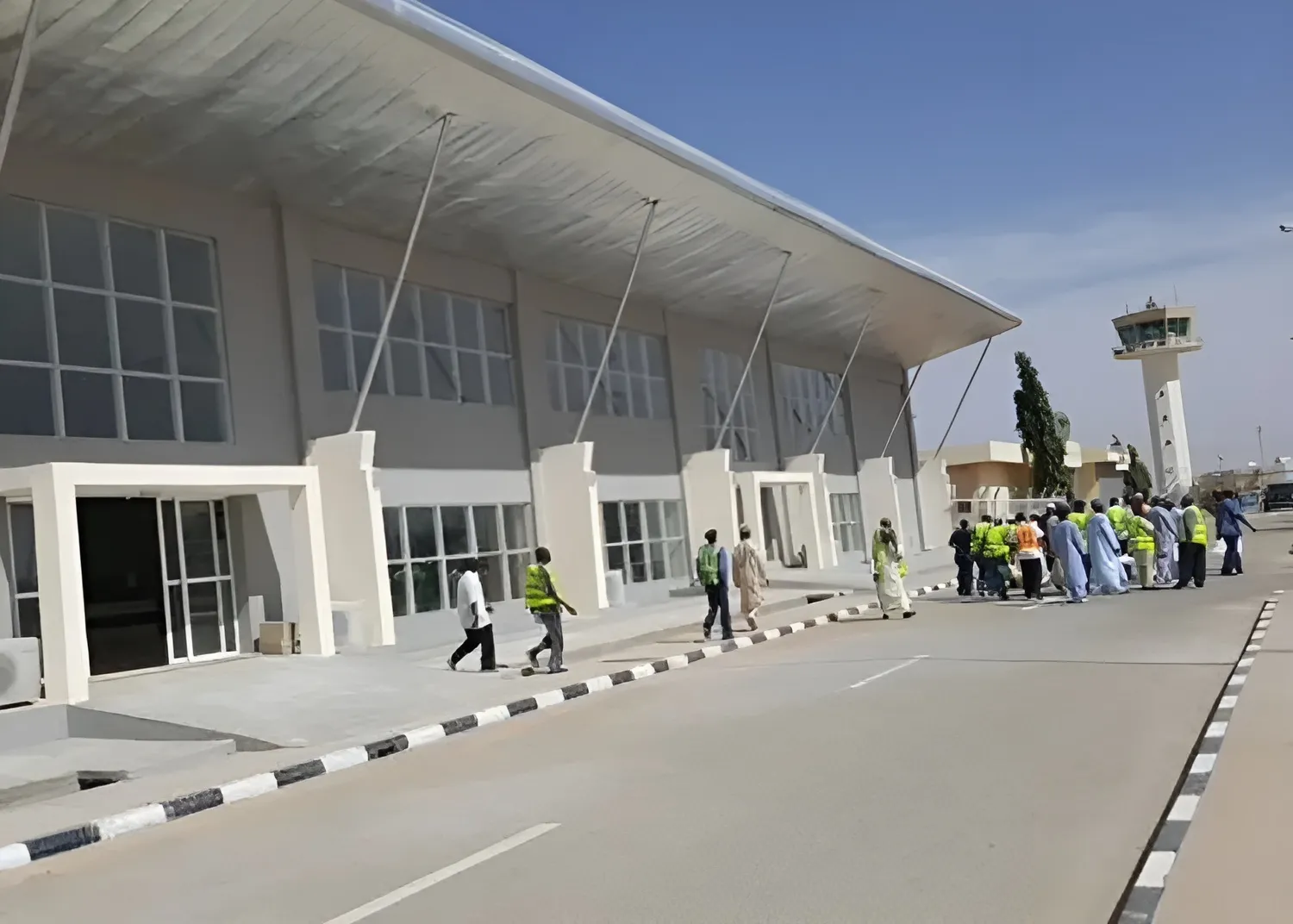
The suspects were discreetly apprehended by security operatives at the Umaru Musa Yar’Adua International Airport in Katsina shortly after arriving from Saudi Arabia. After being separated from other pilgrims during routine immigration clearance, they were taken into custody and later transferred to Abuja under armed escort before being handed over to the State Security Service (SSS).
The arrests became public after the Minister of Interior, Olubunmi Tunji-Ojo, announced that security agencies had intercepted seven suspected terrorist commanders returning from the Hajj, describing the operation as evidence of Nigeria’s growing digital border management capabilities and improved biometric identity verification systems. However, the identities of the suspects and any formal criminal charges against them have not been made public.
The development has shifted attention from the successful arrests to how the suspects were able to complete the entire Hajj registration process and leave Nigeria using valid passports issued in their real names before being intercepted only upon their return.
According to officials familiar with the process, intending pilgrims undergo a structured registration procedure involving State Pilgrims Welfare Boards, the National Hajj Commission of Nigeria (NAHCON), the Nigeria Immigration Service (NIS) and Saudi authorities. Applicants complete registration with their respective state boards before their details are forwarded to NAHCON, which coordinates visa processing and flight arrangements with Saudi authorities.
Immigration officials explained that their primary responsibility at airports is to verify the authenticity of travel documents and confirm the identity of travellers, while intelligence gathering and monitoring of terrorism suspects fall within the mandate of specialised security agencies.
NAHCON also clarified that it does not conduct background checks on intending pilgrims, stating that its role is limited to policy coordination and regulation, while State Pilgrims Welfare Boards are responsible for compiling and managing pilgrims’ manifests.
Officials said the suspects were not stopped before departing Nigeria because intelligence investigations concerning them had not reached the stage where their arrest could legally be authorised. By the time they returned from Saudi Arabia, however, security agencies had reportedly completed the intelligence process, placed the suspects on watchlists and circulated their biometric details to immigration officers before the aircraft landed.
The integrated border management system subsequently flagged the suspects during immigration clearance, enabling officers to isolate and arrest them without disrupting other returning pilgrims.
The incident has nevertheless generated debate over whether existing screening procedures are adequate to prevent suspected terrorists from participating in international pilgrimages.
The Katsina State Pilgrims Welfare Board declined to disclose details of its screening procedures, maintaining that it is an administrative and logistical body rather than a security agency. The refusal has fuelled public concerns about accountability within the Hajj registration process.
Following the arrests, allegations circulated that the suspects may have benefited from government-sponsored Hajj arrangements under local peace initiatives. However, the Katsina State Government dismissed the claims as false and politically motivated, insisting there was no evidence that the suspects were sponsored by the state.
Civil society organisations have called for an independent review of the country’s pilgrim screening framework, arguing that individuals suspected of involvement in terrorism should not be able to complete the lengthy Hajj registration process without detection.
They urged the Federal Government, security agencies and Hajj authorities to identify any weaknesses in the existing vetting system and strengthen safeguards ahead of future pilgrimages.
The Katsina operation is not the first time suspected criminals have been arrested in connection with religious pilgrimages. In 2025, security operatives arrested two suspected kidnappers during Hajj screening, while in 2022, Tukur Mamu, who later faced terrorism-related charges, was intercepted while travelling for Umrah. Unlike those cases, however, the seven Katsina suspects were arrested only after completing the Hajj and returning to Nigeria.
As investigations continue, security agencies have yet to explain when the suspects first came under surveillance or whether intelligence that could have prevented their departure existed before they left the country. Those unanswered questions continue to fuel debate over the effectiveness of Nigeria’s counterterrorism and pilgrim screening systems.