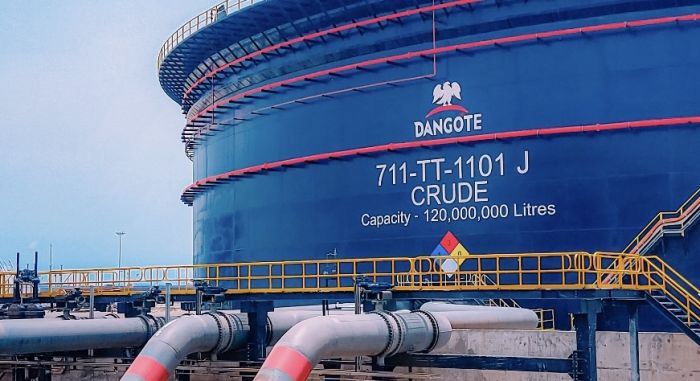
The Dangote Refinery has redeployed engineers who were sacked last month amid its dispute with the Petroleum and Natural Gas Senior Staff Association of Nigeria (PENGASSAN), assigning them to various Dangote Group projects across several states, including Borno, Zamfara, and Benue.
Findings revealed that the affected engineers, some of whom were still graduate trainees at the time of their dismissal, were recently invited to collect letters of re-employment and redeployment. Many have now been posted to sites such as a coal mine in Benue, concrete road construction projects in Borno and Ebonyi, and rice processing plants in Kebbi, Niger, Sokoto, and Zamfara. They were instructed to report at their new locations within 14 days or risk losing their jobs.
One of the re-engaged engineers confirmed the development, saying, “They basically re-employed all of us to these places, under Dangote Projects.” A letter sighted by reporters, titled Offer of Trainee Engagement and bearing the Dangote Projects Limited letterhead, indicated that the appointments were for trainee positions in various divisions. It detailed a two-year training programme covering construction, commissioning, and operations, with periodic reviews and progress reports required from each trainee. The letter, signed by the Chief General Manager, Human Asset Management, Femi Adekunle, also stated that either party could terminate the engagement with one month’s notice or payment in lieu.
However, several of the affected engineers expressed dissatisfaction with the redeployment, citing security concerns and the absence of verifiable work addresses in their letters. “The issue with the re-employment is that there’s no address to report to on that letter. No office to report to at the states we were posted to. Secondly, those are security hot zones,” one of them lamented. They added that the letter’s clause demanding resumption within 14 days effectively placed them in a dilemma, as the locations listed did not appear to exist on verified maps.
According to the workers, PENGASSAN has advised them not to accept the redeployment letters pending the outcome of ongoing discussions with Dangote management. Meanwhile, an official of the Dangote Group maintained that the agreement with the union allowed the company to redeploy the affected staff to other business units under the group, both within and outside Nigeria.
The development follows the crisis that erupted last month when PENGASSAN shut down oil and gas facilities to protest the alleged sacking of 800 refinery workers who had volunteered to join the union. The Dangote Refinery, however, denied the allegation, stating that only a few workers were dismissed for sabotaging operations in what it described as a reorganisation exercise. The industrial action led to nationwide losses in oil and gas production and a temporary dip in power generation until government intervention restored calm.
Following the truce, the Dangote Group was directed to redeploy the affected workers, and company sources confirmed plans to post them to its sugar, cement, and other subsidiaries. However, some of the engineers viewed the redeployment as retaliation for their union involvement.
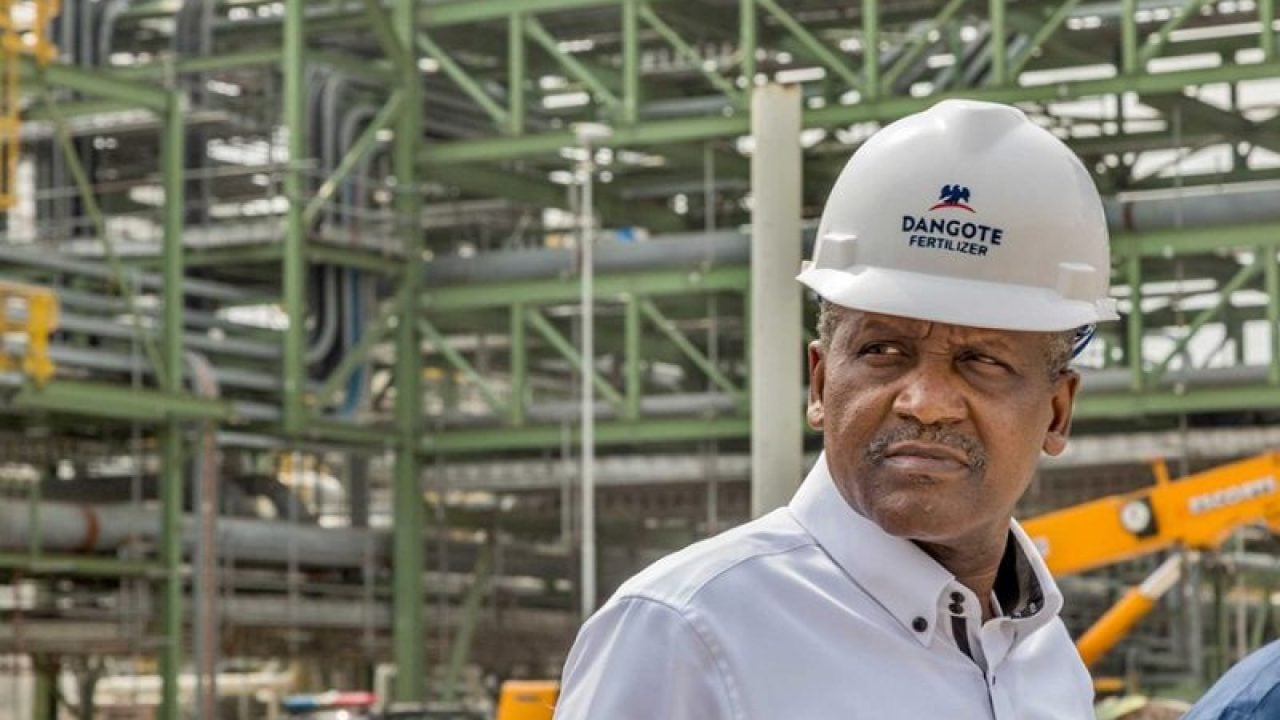
In a related development, Dangote Group President, Alhaji Aliko Dangote, announced that the company plans to employ 65,000 workers as part of its refinery expansion from 650,000 barrels per day to 1.4 million barrels per day. It remains unclear whether some of the redeployed engineers will be reabsorbed into the refinery, as the company previously accused them of sabotage — a claim they have strongly denied.
Dangote has also backed the proposed amendment of the Petroleum Industry Act (PIA), describing it as crucial for unlocking Nigeria’s refining potential and boosting indigenous participation in the oil and gas sector. He said the amendment would strengthen local refining, enhance energy security, and correct provisions that have hindered effective implementation.
Furthermore, the Dangote Refinery announced plans to establish a major tank farm in Namibia to serve as a distribution hub for refined products across Southern Africa, including Botswana, Zimbabwe, Zambia, and South Africa. The Namibian government has reportedly approved the project as part of broader efforts to improve regional fuel supply and energy integration.
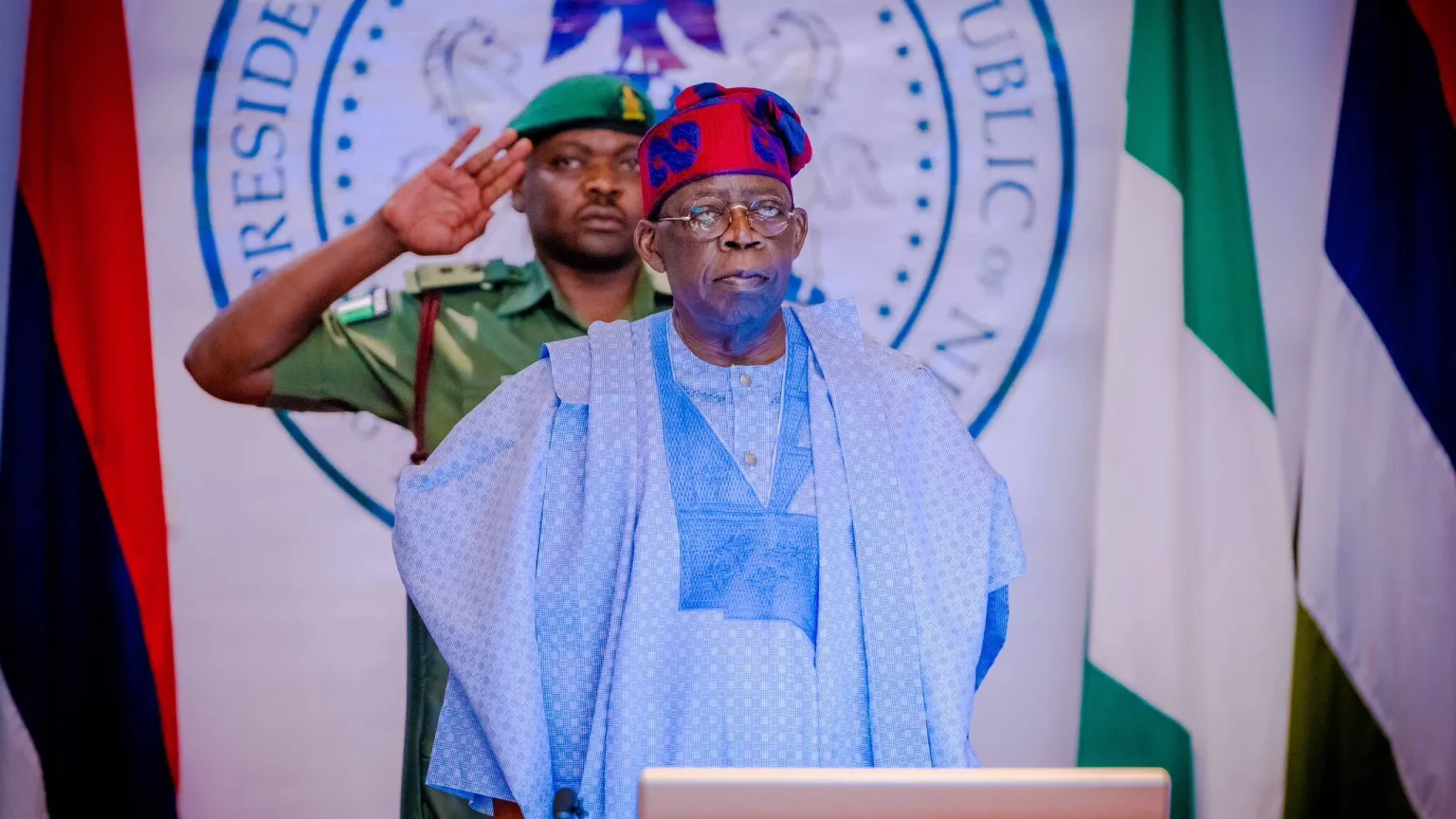
Meanwhile, President Bola Tinubu has expressed full support for the refinery’s expansion, stating that the Federal Government will back Dangote’s plan to increase capacity to 1.4 million barrels per day. Speaking through the Minister of State for Petroleum Resources (Oil), Heineken Lokpobiri, during the OTL Africa Downstream Week in Lagos, Tinubu said the project would serve not only Nigeria and Africa but also the global energy market.
Lokpobiri added that the removal of fuel subsidies in 2023 created an enabling environment for private investment in the downstream sector, noting that Nigeria’s monthly federation allocation had grown from about ₦500 billion to over ₦2 trillion under Tinubu’s administration. Lagos State Governor Babajide Sanwo-Olu, represented by the Commissioner for Energy, Biodun Ogunleye, also commended Dangote’s contributions to Africa’s energy landscape, reaffirming Lagos’s commitment to supporting energy innovation and investment.