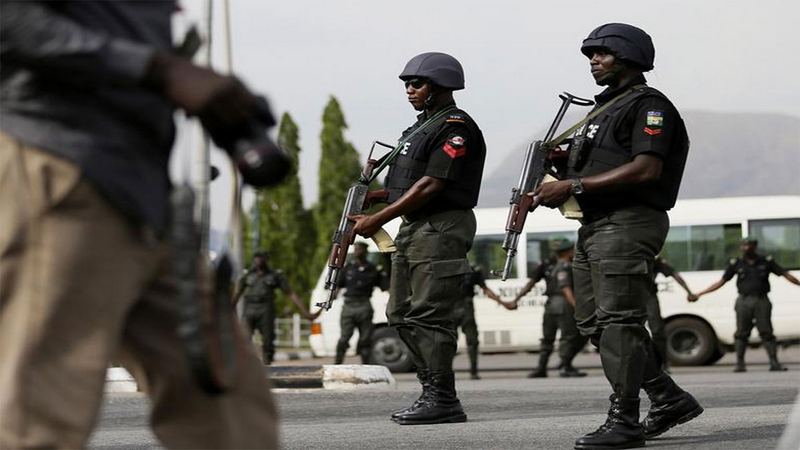
Nigeria’s worsening cycle of kidnappings, mass abductions and deadly attacks has exposed deep and persistent vulnerabilities in the country’s intelligence and security architecture.
The frequency of incidents across states such as Kaduna, Zamfara, Plateau, Niger and Katsina underscores a structural breakdown in early-warning systems, inter-agency coordination and local intelligence gathering — gaps that continue to cost lives and destabilise communities.
Over the years, major security breaches have followed a familiar pattern: warnings ignored, threats underestimated, and responses arriving only after citizens have been killed or abducted. Communities repeatedly report suspicious movements of armed groups long before attacks occur, yet these alerts often fail to trigger preventive action. Kidnappers and insurgents frequently move through rural corridors undetected, despite operating in regions with longstanding security deployments. The result is a country where violent actors remain several steps ahead of the state.
A central problem lies in Nigeria’s fragmented security structure. Intelligence is dispersed across military formations, the police, the DSS, NSCDC and state-level agencies, yet these bodies often operate in isolation. Information that could avert attacks is not always shared promptly, while overlapping mandates create gaps that armed groups exploit. Many local governments lack rapid-response mechanisms, leaving residents exposed when threats escalate.
These challenges highlight the need for a unified Homeland Security Agency — a central body responsible for coordinating intelligence, analysing national threat patterns and directing rapid responses. Such an agency would integrate data from all security units, standardise reporting channels and ensure that critical information reaches decision-makers without delay. It would also help eliminate duplication of efforts by harmonising counter-terrorism, anti-kidnapping and border-security operations under one strategic framework.
A dedicated homeland security structure would strengthen early-warning systems by combining community intelligence with advanced surveillance tools. It would enhance border monitoring, improve inter-agency communication and streamline federal, state and local responses to security threats. Crucially, it would give Nigeria a single point of accountability, ensuring clearer oversight and more consistent national strategies.
Nigeria’s current landscape of insecurity demands more than incremental reforms. It requires a systemic overhaul capable of matching the sophistication of criminal networks and violent extremist groups. Establishing a Homeland Security Agency would not only address longstanding intelligence failures but also position the country to better anticipate, prevent and respond to threats. As communities continue to bear the brunt of avoidable tragedies, the urgency for a coordinated national security architecture has never been clearer.