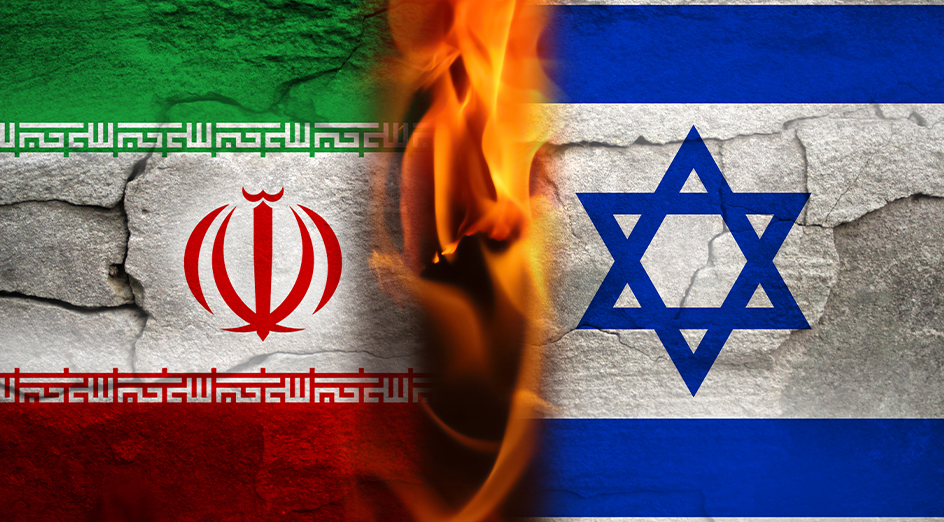
The escalating conflict between Israel and Iran has sent shockwaves through global supply chains, with analysts warning of potential disruptions to oil shipments, rising inflation, and economic instability worldwide.
The crisis, which intensified following Israel’s airstrike on Iranian nuclear facilities last week, now threatens to strangle critical trade routes—including the Strait of Hormuz, through which 20% of the world’s oil passes.
Maritime tracking data shows at least 12 cargo ships altering course to avoid the Persian Gulf, while insurance premiums for vessels in the region have spiked 300%. Oil prices surged past $120 per barrel for the first time since 2022, with Goldman Sachs predicting $150 oil if hostilities escalate further.
“The global economy is now hostage to this conflict,” said Helima Croft, RBC Capital Markets’ head of global commodity strategy. “We’re one miscalculation away from an all-out regional war that could collapse supply chains from Shanghai to Rotterdam.”
The ripple effects are already being felt:
-
Energy Markets: Brent crude up 18% in five days; U.S. gasoline prices hitting record highs
-
Shipping Chaos: Maersk rerouting Africa-bound cargo around Cape of Good Hope, adding 14 days to voyages
-
Food Security: Wheat futures jump as Iran threatens to block Iraqi grain exports
-
Tech Sector: Semiconductor firms hoarding neon gas (critical for chip production), 60% of which comes from Ukraine—now facing renewed Russian strikes
U.S. officials confirm emergency talks with Saudi Arabia to stabilize oil markets, but Tehran has vowed “crushing retaliation” if Washington intervenes. With no diplomatic solution in sight, businesses worldwide are bracing for what the IMF calls a “perfect storm” for stagflation.