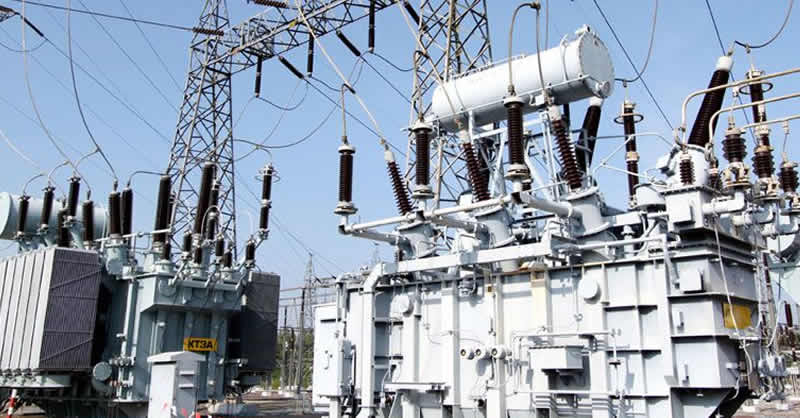
Amid frequent blackouts and high energy costs, over 250 manufacturers and academic institutions in Nigeria have abandoned their power distribution companies, generating about 6,500MW of electricity independently.
This figure surpasses the country’s national grid output, which fluctuates between 4,500MW and 5,000MW.
Data from the Nigerian Electricity Regulatory Commission (NERC) reveals that these entities have secured permits for captive power generation. Captive power allows organizations to produce electricity exclusively for their use without selling to third parties. Many of these facilities employ renewable energy sources, while others rely on gas-powered plants.
The Dangote Group leads the charge, contributing 1,500MW, with its refinery alone generating 435MW. Other notable contributors include Nigeria LNG (360MW), Pure Flour Mills Limited (546MW), and Lafarge Africa Limited (105MW).
Governor Bola Tinubu’s signing of the Electricity Act 2023 has further fueled interest in self-generation, with a surge in permits issued since the law’s enactment. Universities, such as the University of Lagos and Bayero University, and companies like MTN Nigeria, Shell, and Nestlé, have also embraced this model.
Experts warn that the exodus from the national grid by bulk users could undermine the paper sector and other industries dependent on centralized electricity. However, advocates argue that self-generation offers a sustainable solution to Nigeria’s persistent power challenges.