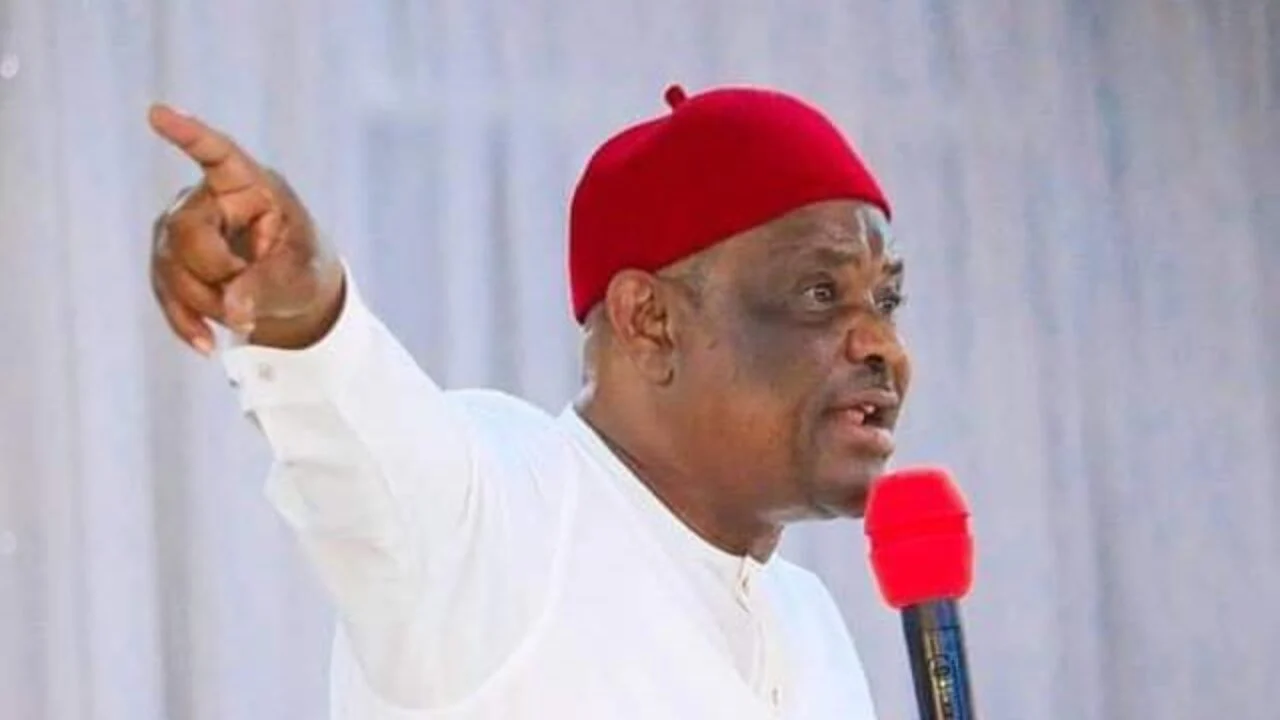
Federal Capital Territory (FCT) Minister Nyesom Wike has pointed fingers at Nigeria’s politically connected elite as the primary obstacle to orderly development in Abuja, calling out their flagrant disregard for urban planning laws.
His remarks highlight a deeper, systemic issue in Nigerian governance—the culture of nepotism and privilege that has long allowed the powerful to operate above the law.
Speaking during a meeting with officials of the Federal Capital Development Authority (FCDA), Wike lamented that influential figures—commonly referred to as “big men”—routinely bypass regulations, construct illegal buildings, and distort the Abuja Master Plan without consequences.
“The biggest problem we have in the FCT is the so-called ‘big men,’” Wike declared. “They believe the law does not apply to them. They build where they like, ignore approvals, and even threaten officials who try to enforce the rules.”
The minister vowed to take a hardline stance, warning that his administration would not spare anyone, regardless of their political or social status. His comments come amid an ongoing crackdown on illegal structures, including high-profile demolitions in upscale districts where well-connected individuals have flouted zoning laws for years.
A History of Nepotism and Impunity
Wike’s indictment of Nigeria’s elite class reflects a broader national struggle against nepotism—a practice deeply embedded in the country’s political and economic systems. Since independence, Nigeria has grappled with a culture where connections, rather than merit or legality, determine access to opportunities and exemptions from consequences.
From the era of military rule, when generals and their cronies seized prime land in Abuja, to the democratic dispensation, where political godfathers and business moguls manipulate policies for personal gain, Nigeria’s development has repeatedly been undermined by favoritism. Successive governments have pledged to tackle the issue, yet enforcement remains selective, often targeting only the powerless while sparing the influential.
Will Wike’s Stance Lead to Real Change?
Analysts note that Wike’s tough rhetoric is not unprecedented—past FCT ministers have made similar declarations, only to backtrack when faced with pressure from powerful interests. However, given Wike’s reputation as a no-nonsense administrator, some observers believe he may follow through where others have failed.
“The real test will be whether he demolishes the illegal mansion of a sitting governor or minister,” said urban planning expert Dr. Ibrahim Musa. “That’s when we’ll know if this is genuine reform or just another political statement.”
For now, Wike has directed FCTA officials to enforce regulations without fear, promising full support against intimidation. But in a system where political patronage often overrides the rule of law, breaking the cycle of nepotism will require more than just strong words—it will demand sustained, unbiased action.