A wave of resignations from Governor Uba Sani’s administration has stirred political concerns in Kaduna, raising questions about the stability of his government and the implications for the 2027 elections.
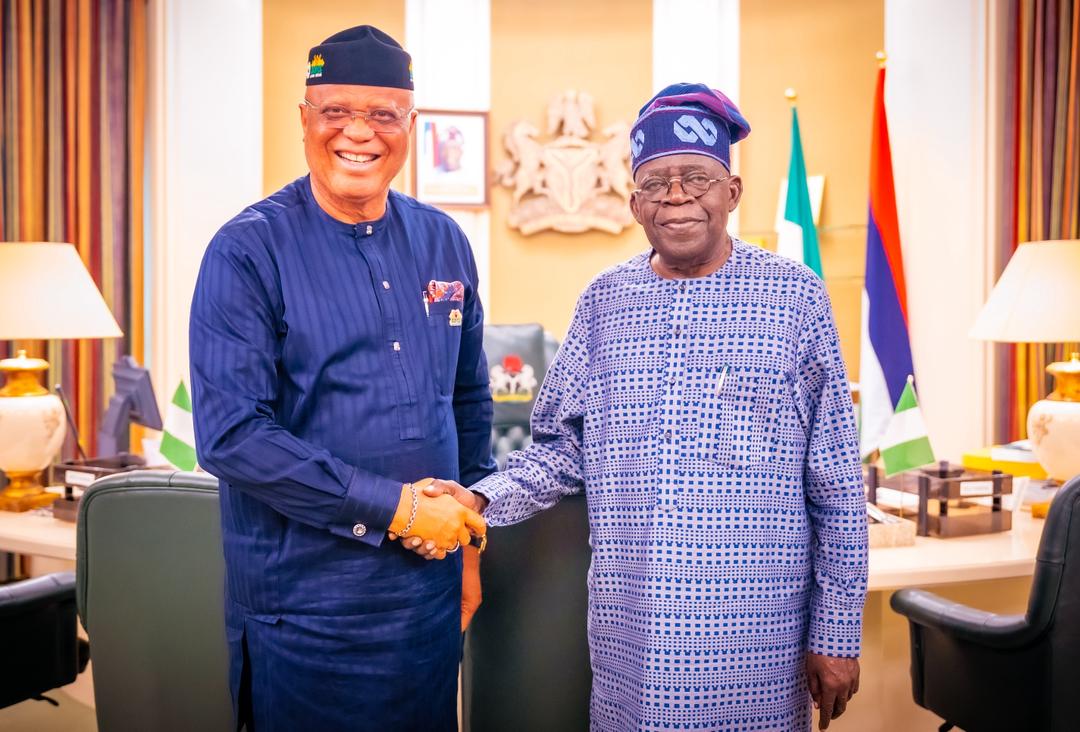
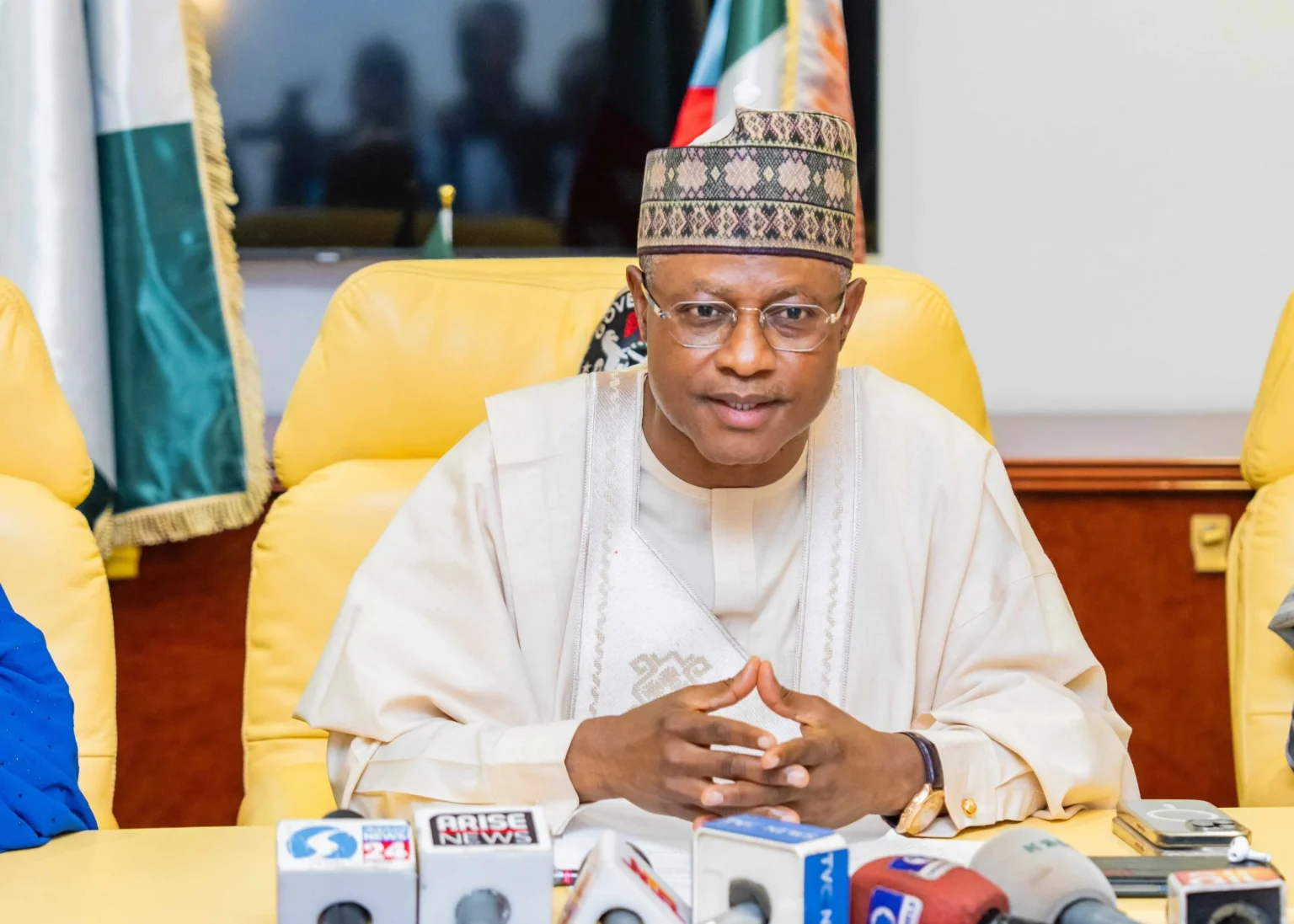
At the centre of the storm is Professor Muhammad Sani Bello, widely known as Mainan Zazzau, who resigned from the Kaduna State Executive Council on July 29, 2025. Bello, who served as the Director-General of Uba Sani’s 2023 campaign, is considered one of the main figures behind the governor’s victory, making his exit a significant political development.
His resignation has been interpreted by observers as more than a routine administrative change, with many viewing it as a sign of internal fractures within the ruling camp ahead of a crucial electoral season.
Despite these high-profile departures, results from the August 16 by-elections showed that the governor continues to enjoy support at the grassroots. In contests held in Chikun/Kajuru federal constituency as well as Basawa and Zaria Kewaye state constituencies, the APC retained its hold, winning decisively.
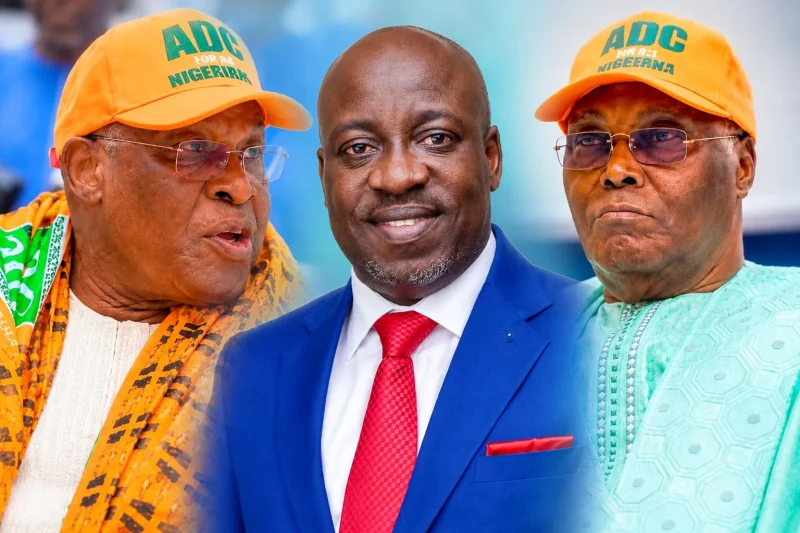
Analysts argue that while defections at the elite level have created perceptions of division, they have not yet translated into electoral weakness for the party at the local level. They note that the growing popularity of the opposition coalition led by former governor Nasir El-Rufai under the African Democratic Congress has not stopped the APC from demonstrating resilience on the ground.
The resignation of Bello, however, continues to dominate political discussions. Conflicting claims have emerged over his exit, with some insisting he resigned while others maintain he was dismissed. Close observers believe Bello felt sidelined despite his central role in delivering victory. Political analyst Haruna Nasarawa said, “Despite his efforts as Campaign DG, he was given a role that doesn’t reflect his political weight. That led to discontent. Rumours had long swirled that he was unhappy and might resign.” A senior government official who declined to be named, however, said there was no rancour. “In his wisdom, the governor decided to relieve him of the position. Did he act within the law? Yes, because in a presidential system like Nigeria’s, the governor has the right to hire and fire,” he said. The official added that Bello had been duly accommodated. “In 2023, then-candidate Uba Sani made him the Director-General of his Campaign Council. After the election, he was rewarded with a cabinet position as Commissioner of Education, a position he held for over two years. So, it’s incorrect to say that he wasn’t rewarded.” Bello, when contacted, replied via WhatsApp with “I will call you shortly in sha Allah,” but had not done so at the time of reporting.
Bello is not the only notable figure to leave the administration. Others who resigned include Benjamin Jock, Senior Special Assistant on Infrastructure; Dr Shehu Makarfi, Senior Counsellor on Political Affairs; Barrister Chris Umar SAN, Deputy Chief of Staff (Legal and Legislative Matters); Hassan Rilwan, Adviser on Student Affairs; and Umar Hassan Waziri, Deputy Chief of Staff (Administration). Their exits have triggered ripple effects within the APC, with reports of mass resignations in Kaduna North Local Government raising concerns about the party’s stability.
Nonetheless, the by-election victories suggest that the APC still maintains strong voter loyalty. Analysts point out that Kaduna politics has often been shaped by the strength of grassroots networks rather than elite defections. They argue that Sani’s ability to mobilise local structures gives him an advantage as he prepares for 2027. Observers also draw comparisons with past administrations. During Ahmed Makarfi’s tenure, Suleiman Othman Hunkuyi resigned as commissioner for finance due to disagreements, later contesting against his former boss in 2003, though unsuccessfully. During El-Rufai’s administration, cabinet members often complained of being sidelined but remained loyal. Even when his deputy, the late Barnabas Bala Bantex, left office, it was managed without major public controversy.
What distinguishes Uba Sani’s government, analysts say, is the pace and visibility of resignations. The rapid succession of exits has raised questions about how his administration manages loyalty and internal dissent. This is in sharp contrast to Sani’s own experience under El-Rufai, where he served as political adviser from 2015 to 2019 with wide influence. El-Rufai frequently deferred to his advice on political matters, allowing him to build the networks that later propelled him to the governorship despite unpopular policies such as cutting benefits for elders, dissolving districts, and sacking teachers.
Observers now point to the irony that Sani’s closest allies feel marginalised under his leadership. Some believe disgruntled aides may regroup in opposition parties, potentially following the example of Hunkuyi after leaving Makarfi’s government. Others argue that Sani’s incumbency, his outreach to Southern Kaduna communities, and his solid grassroots base will shield him from elite defections. For now, the APC’s by-election victories have demonstrated that while the resignations have unsettled the political atmosphere, the party’s ground strength remains intact as 2027 approaches.