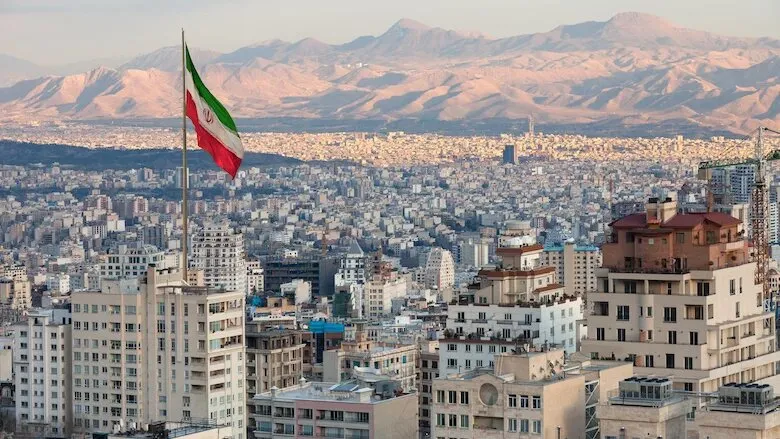
As explosions rock the Middle East for a seventh consecutive day, Iran’s foreign minister embarked on a crucial diplomatic mission to Europe, seeking to rally international support amid fears the Israel-Iran conflict could spiral into a regional conflagration.
The high-stakes meetings come as both nations continue exchanging missile strikes, with Tehran vowing “painful retaliation” for what it calls Israeli aggression.
The minister’s European tour, which includes stops in Brussels, Paris and Berlin, represents a rare moment of potential de-escalation in a crisis that has seen unprecedented direct attacks between the two arch-enemies. European diplomats privately acknowledge the delicate balancing act – maintaining pressure on Iran’s nuclear program while preventing a new war front from opening as global energy markets tremble.
Back in the conflict zone, civilians bear the brunt of the violence. Residents of Tel Aviv spent another night in bomb shelters after Iranian drone attacks, while explosions echoed across Isfahan province where nuclear facilities remain on high alert. The human cost is mounting, with UN agencies reporting at least 1,200 displaced persons crossing into Jordan within 24 hours.
Military analysts note the conflict has already breached several red lines, with Israel’s successful strike on an Iranian air defense system deep inside the country marking a significant escalation. “We’re seeing a dangerous game of chicken,” warns former Pentagon official Mark Schneider. “Neither side can afford to back down, but neither can afford all-out war.”
The European Union finds itself in a familiar quandary – torn between condemning Iran’s regional proxies while attempting to salvage the tattered remnants of the nuclear deal. With U.S. elections looming and Washington’s Middle East policy in flux, Brussels may emerge as the last viable channel for crisis diplomacy. As one EU official conceded: “If these talks fail, we’re looking at uncontrolled escalation with global consequences.”
For now, the world watches and waits as the Iranian minister’s motorcade moves between European capitals, each kilometer representing both the possibility of peace and the specter of a war that could reshape the Middle East order. With military commanders on both sides reportedly preparing contingency plans, the coming 72 hours may determine whether diplomacy can outpace the march to war.