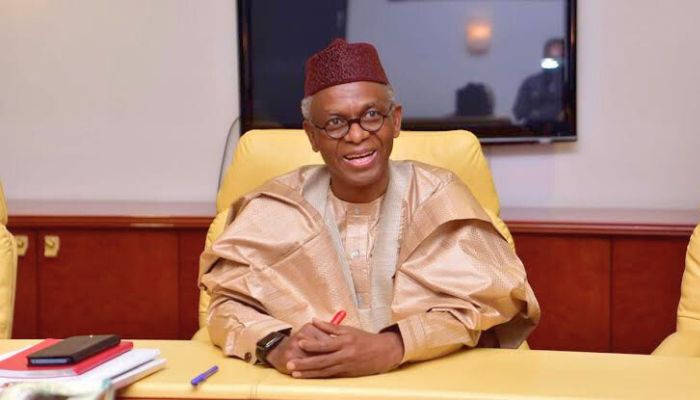
In a significant development that is set to captivate the nation’s political landscape, Mallam Nasir El-Rufai, the immediate past governor of Kaduna State, is bracing for a formidable legal confrontation with President Bola Tinubu.
This legal battle, as revealed by Saturday Vanguard, is poised to unfold in two critical arenas: the nation’s courts and the broader court of public opinion, ahead of the anticipated 2027 presidential election.
El-Rufai’s legal strategy aims to vindicate himself from allegations of being a security risk, a label that has ostensibly disqualified him from ministerial duties under the Tinubu administration. Beyond the legal proceedings, El-Rufai is also expected to emerge as a pivotal figure in the political discourse, potentially influencing the president’s bid for re-election.
The seeds of this impending conflict were sown following what has been widely interpreted as a deliberate sidelining of El-Rufai by the Tinubu government, despite his significant contributions to Tinubu’s presidential campaign. El-Rufai’s allies and adversaries alike have noted his conspicuous absence from the list of ministerial appointments, a move attributed to concerns over his suitability based on security clearances.
In response to this setback, El-Rufai has ramped up his political activities, engaging with key figures across the Northern political spectrum and aligning himself with opposition parties, including notable interactions with the Social Democratic Party (SDP) and suspended Senator Abdul Ningi. These movements underscore El-Rufai’s readiness to challenge the status quo and assert his political influence.
Despite his initial reluctance to join the Tinubu cabinet, preferring instead to focus on academic pursuits, El-Rufai was reportedly persuaded by the president to take on a role in revitalizing Nigeria’s energy sector. Drawing from his experience as the director-general of the Bureau for Public Enterprises during the Obasanjo administration, El-Rufai began laying the groundwork for transformative initiatives in the energy sector before his ministerial aspirations were curtailed.
The decision to exclude El-Rufai from ministerial responsibilities has sent shockwaves through political circles, especially given his instrumental role in securing Northern governors’ support for Tinubu and his financial and strategic contributions to the president’s campaign efforts in key Southwest states.
In an unexpected twist, El-Rufai’s opposition to the naira redesign policy during the waning days of the Muhammadu Buhari administration highlighted his willingness to challenge party lines, a stance he justified as an attempt to safeguard the APC’s interests against internal adversaries aiming to derail Tinubu’s presidential ambitions.
As El-Rufai prepares to navigate these legal and political challenges, his actions and the outcomes of these confrontations are set to have far-reaching implications for Nigeria’s political dynamics, particularly as the nation inches closer to the 2027 presidential election.