
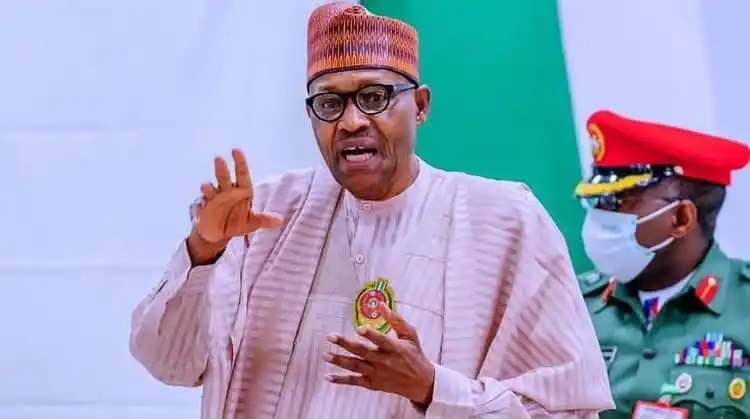
Muhammadu Buhari, who led Nigeria as President from 2015 to 2023, remains a deeply polarizing figure in the nation’s political history.
A former military ruler from 1983 to 1985, he returned to power through the ballot box with promises to fight corruption, strengthen security, and revive the economy. His administration was marked by bold policies, tough decisions, and widespread public scrutiny.
As Nigerians reflect on his time in office, seven key aspects of his presidency continue to shape public discourse and national memory.

1. Anti-Corruption Drive
One of Buhari’s strongest campaign promises was to combat corruption. His administration launched several high-profile investigations into alleged graft and recovered assets from corrupt officials. Agencies like the Economic and Financial Crimes Commission (EFCC) pursued cases against politicians and former public office holders.
However, critics argue that the anti-corruption efforts were sometimes selective, with accusations of targeting opposition figures while some close allies remained untouched.
2. Economic Recession and Hardship
Nigeria entered a recession in 2016, the first in over two decades, largely due to falling global oil prices and reduced crude production. The Buhari administration introduced policies aimed at diversifying the economy, promoting local production through initiatives like “Made in Nigeria” campaigns, and restricting imports to protect local industries.
Despite these efforts, many Nigerians associate his tenure with rising poverty, high inflation, and unprecedented Naira devaluation. The exchange rate shifted from N199 to the dollar in 2015 to over N750 in official and parallel markets by 2023.
3. Security Challenges
When Buhari took office, he pledged to defeat Boko Haram, which at the time controlled significant territories in the Northeast. Under his watch, the military reclaimed much of this land, but insurgency-related violence continued.
His tenure also saw the rise of banditry in the Northwest, herder-farmer conflicts in the Middle Belt, and widespread kidnappings for ransom across various states. Many Nigerians remember the era as one of pervasive insecurity.

4. Infrastructure Development
Buhari prioritized large-scale infrastructure projects. His administration completed and commissioned major initiatives, including:
•The Second Niger Bridge, long-awaited by southeastern Nigeria
•Sections of the Lagos-Ibadan Expressway reconstruction
•Expansion of the rail network, including the Abuja-Kaduna and Lagos-Ibadan railway lines
•Development of new airports terminals in Abuja, Lagos, Port Harcourt, and Kano
These projects remain a part of his tangible legacy.
5. #EndSARS Protests
In October 2020, Nigerian youths led nationwide protests against police brutality under the banner of #EndSARS, referring to the disbanded Special Anti-Robbery Squad (SARS). The movement culminated in the Lekki Toll Gate incident on October 20, 2020, where security forces allegedly shot at peaceful protesters, leading to national and international outrage.
The government’s response to #EndSARS is seen as a defining moment of Buhari’s presidency, especially regarding civil liberties and police reform.
6. Border Closure Policy
In 2019, Buhari’s administration controversially closed Nigeria’s land borders with neighboring countries, citing the need to curb smuggling, especially of rice and petroleum products. While it boosted some local producers, it also led to food scarcity, increased prices, and strained trade relationships with West African neighbors. The borders were partially reopened in 2021.

7. COVID-19 Pandemic Response
Nigeria recorded its first COVID-19 case in February 2020. Buhari’s government implemented lockdowns, promoted health guidelines, and facilitated vaccine procurement through global partnerships like COVAX.
While Nigeria managed relatively low death rates compared to many nations, the pandemic exacerbated existing economic struggles, increasing unemployment and poverty levels.
Former President Muhammadu Buhari’s time in office was marked by a mix of promises fulfilled and new challenges that emerged. Nigerians will remember his era for both the infrastructure growth and the economic difficulties, for the fight against corruption and the rise in insecurity, and for the youth-led #EndSARS protests that shook the nation.
As history continues to judge his leadership, these seven aspects remain critical touchpoints in understanding Buhari’s impact on Nigeria.

