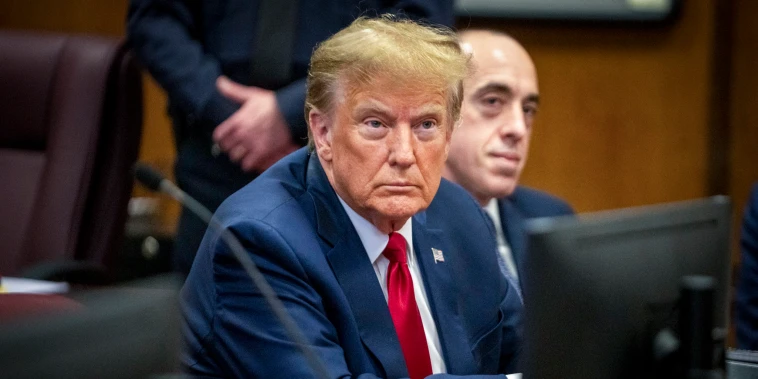
On May 1, 2025, President Donald Trump signed an executive order that mandates the cessation of federal funding to National Public Radio (NPR) and the Public Broadcasting Service (PBS).
The order directs the Corporation for Public Broadcasting (CPB) to eliminate both direct and indirect financial support to these organizations by June 30, 2025. Trump’s administration has criticized NPR and PBS for allegedly promoting “biased” and “partisan” content, accusing them of spreading “radical, woke propaganda.”
Historically, the CPB, a nonprofit entity established by Congress in 1967, has distributed federal funds to support public media outlets. While NPR and PBS rely heavily on donations, grants, and sponsorships, federal funding still makes up a significant portion of their budgets—approximately 15% for PBS and about 1% for NPR. The executive order aims to cut off this financial support entirely.
Both NPR and PBS have expressed concern that this move will disrupt their ability to provide essential news coverage, particularly during crises. PBS President and CEO Paula Kerger condemned the decision, reaffirming the network’s commitment to bipartisan programming and its role in delivering educational and cultural content. In response, the CPB has initiated legal action, challenging the dismissal of three of its board members, which they argue could undermine the organization’s operational independence.
The defunding of public media is part of a broader pattern where the Trump administration has targeted institutions it views as politically or ideologically opposed, including federal arts programs and certain academic entities. These actions reflect the administration’s ongoing efforts to reshape the landscape of public funding for cultural and media organizations.
This executive order has sparked widespread debate about the role of public media in ensuring balanced and unbiased news coverage. As NPR and PBS prepare for the potential loss of federal support, the future of public broadcasting in the U.S. hangs in the balance. The impact on their operations and programming remains to be seen, and the situation is likely to continue evolving as legal and political challenges unfold.