
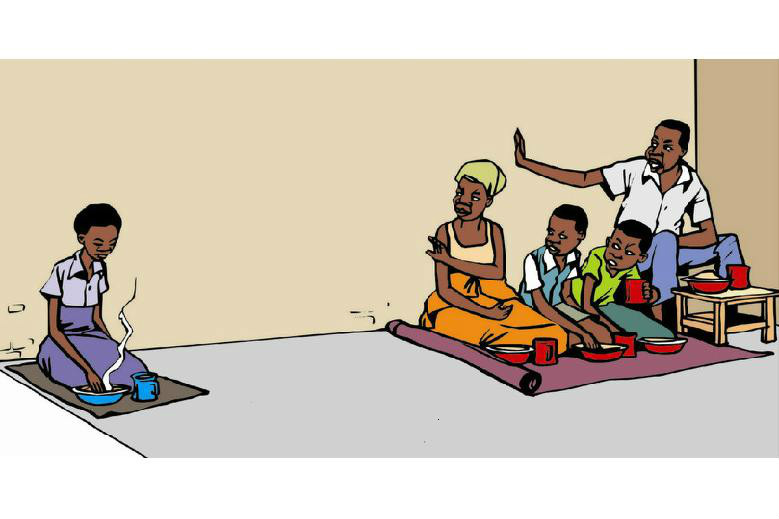
A heartbreaking account shared on X has sparked widespread reactions after revealing how an 18-year-old girl was falsely accused of sleeping with men and contracting HIV, only for medical tests to uncover that she was battling a serious but unrelated health condition.
Her family had accused her of bringing shame to the household, and rather than seeking medical attention, they concluded she must have contracted HIV through promiscuity. She was stigmatised, rejected, and eventually disowned.
According to the health worker who narrated the incident, the teenager had been battling progressive weight loss, loss of appetite, and abdominal swelling. When her symptoms worsened, she was taken to a Primary Health Centre, where routine tests were conducted.
The results contradicted every accusation made against her: she did not have HIV, she was not pregnant, but her blood sugar levels were extremely high, prompting further urgent testing. After follow-up tests, the health worker concluded that the girl was most likely suffering from Type 1 Diabetes and required immediate medical attention.
When the facility contacted her parents to discuss the diagnosis, the father refused to come and reportedly sent someone else, insisting he was done with her. The mother had been crying since the girl was thrown out of the house. After persistent outreach, the father was eventually convinced to return, and evidence showed his daughter had been wrongfully judged.
The health worker revealed that the person who started the rumour was a close family member, and the community accepted the accusation simply because they noticed her weight loss, vomiting, and swollen abdomen without considering any medical explanation.
The account emphasised the danger of stigma driven by misinformation. In a detailed narration, the health worker stated: “An 18-year-old girl was accused of sleeping around with men and contracting HIV in the process. Her family, the community, and everyone around her disowned her. In addition to her illness, she was forced to grapple with the stigmatization. When she presented to a PHC on account of her worsening symptoms—progressive weight loss, lack of appetite, and stomach swelling—routine investigations were conducted.
The preliminary investigations revealed shocking findings:
1. Retroviral screening came out non-reactive, meaning she does not have HIV.
2. Serum Pregnancy Test came out negative, meaning she is not pregnant.
3. Random Blood Sugar came out high, meaning she is likely to have diabetes. Follow-up Fasting Blood Tests (FBS) showed her sugar level to be 30 mmol.
From the clinical findings and the results of available investigations, the girl is most likely suffering from Type 1 Diabetes—a type of diabetes that primarily affects adolescents and young children.”
The narration continued: “When the parents were invited to come to the PHC facility to be informed about the condition of their daughter, the father sent someone else. He said he was done with her since she had brought shame and disgrace to his family. The mother was said to have been crying ever since the father sent the girl away. We eventually found a way to reach the father and explain everything to him.
We showed him all the evidence that his daughter was not the wayward child he had been made to believe. Lo and behold, the person who started the rumor of the girl sleeping with men and getting pregnant as a result was a close family member. They believed what the person said simply because they saw her stomach getting swollen, her weight decreasing, and episodes of vomiting here and there. No one thought of taking her to a health facility for a checkup. They gave her a diagnosis and judged her harshly.”
The health worker added that the girl now needs specialist review and insulin, an expensive medication the family cannot afford. Efforts to reach local NGOs proved difficult because she did not meet their age criteria, while a ward councillor promised to escalate her case but no help had yet materialised.
“The girl needs help—a lot of it. She also needs support. Though the family has now embraced her once again, she will live with the unfortunate pain of that accusation, in addition to battling her physical health. Once again, I am reminded that it is not healthcare when the people are so poor they cannot afford it. Thank you.”

