
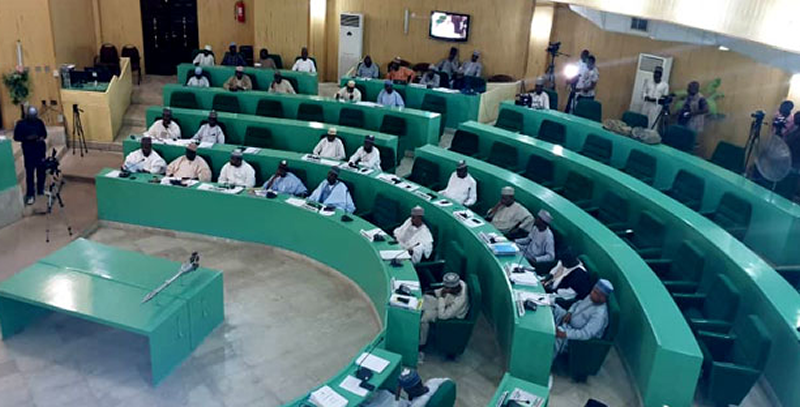
Nigeria has moved closer to establishing state police as the National Assembly prepares to transmit the proposed State Police Bill to the 36 state Houses of Assembly this week, marking a significant milestone in the country’s constitutional amendment process aimed at overhauling its security architecture.
If the bill secures the approval of at least 24 state assemblies, it will be transmitted to President Bola Ahmed Tinubu for assent, paving the way for one of the most far-reaching security reforms in the nation’s history.
The latest development follows the passage of the constitutional amendment bill by the Senate after lawmakers adopted recommendations presented by committees handling the ongoing review of the 1999 Constitution.
Chairman of the Senate Committee on Media and Publicity, Senator Yemi Adaramodu, confirmed that arrangements for transmitting the bill had been concluded, adding that governors and state lawmakers were already expecting the document.
According to him, extensive consultations took place before the Senate approved the amendment, ensuring that key stakeholders across the states were fully aware of the next stage of the legislative process.
“The bill for the creation of state police will get to the states this week. The states’ speakers have met and are awaiting the bill from the National Assembly.
“The state governors are expecting it too, even with their presence in the Senate chamber when the bill was being considered and passed.”
Under Nigeria’s constitutional amendment procedure, any proposed alteration to the Constitution must receive the support of at least two-thirds of the 36 state Houses of Assembly before it can become law.
The proposed legislation seeks to establish a dual policing system that would empower state governments to establish and operate their own police services while the Nigeria Police Force continues to handle matters of national security.
Under the proposed framework, the federal police would retain responsibility for terrorism, border security, cybercrime, arms trafficking and other offences considered to fall under federal jurisdiction.
The debate over state police has persisted for years, with advocates arguing that decentralising policing would improve intelligence gathering, enhance community-based security and enable faster responses to crime. The proposal has gained renewed momentum amid persistent insecurity across the country, including banditry, kidnappings, communal conflicts and other violent crimes that have placed increasing pressure on the nation’s security agencies.
To address longstanding concerns over possible abuse of state-controlled police by political office holders, lawmakers incorporated safeguards into the bill. These include provisions prohibiting the use of state police to intimidate political opponents, critics or groups exercising their constitutional rights, while also granting the Federal Government powers to intervene in cases involving threats to national security, breakdown of public order or violations of fundamental rights.
The proposal has continued to attract widespread support from governors and state legislative leaders across the country.
The Conference of Speakers of State Legislatures had earlier endorsed the creation of state police, describing it as a necessary response to Nigeria’s worsening security challenges.
Speaker of the Delta State House of Assembly, Emomotimi Guwor, also assured Nigerians that state assemblies would give the proposed legislation thorough consideration once it is formally transmitted.
Several state governors have equally expressed support for the initiative. Among them is Benue State Governor Hyacinth Alia, who described the Senate’s passage of the bill as a major breakthrough in efforts to strengthen Nigeria’s security framework.
According to Alia, policing at the state level would enhance understanding of local communities, improve intelligence gathering and strengthen the fight against crime through greater familiarity with local environments.
The Forum of Progressive Speakers under the ruling All Progressives Congress has also pledged to facilitate speedy ratification of the bill, particularly in APC-controlled state assemblies, while emphasising the need for strong oversight mechanisms to ensure professionalism, accountability and respect for human rights.

