
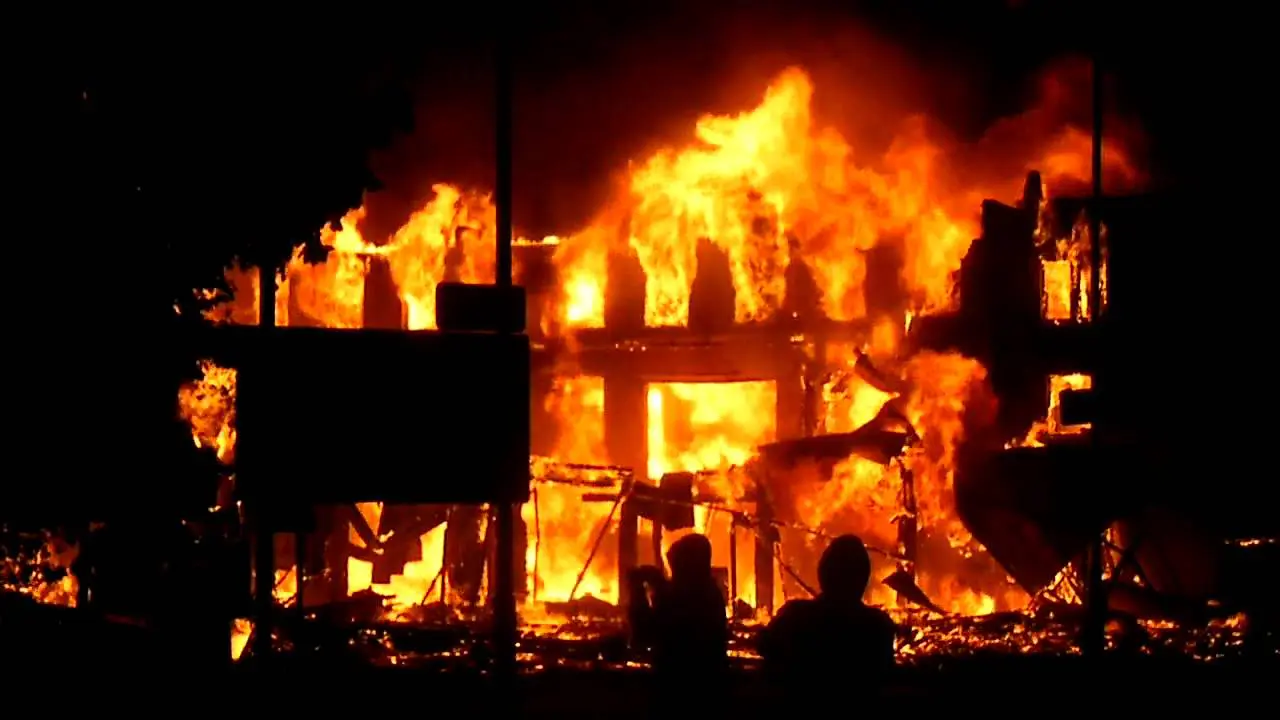
A disturbing mid-year emergency report from the Lagos State Fire and Rescue Service reveals that 62 lives were lost in Lagos State between January and June 2025 due to combined fire outbreaks and building collapse incidents.
The figure underscores a growing crisis in urban safety and regulatory oversight.
The first half of the year saw 1,072 emergency responses from the state’s fire and rescue teams. Within this period, responders attended to 922 fire incidents, two minor explosions, and 10 building collapse events—eight of which were structural failures rather than complete collapses. Additionally, 73 rescue operations and 65 salvage missions were conducted, illustrating the volume of emergencies faced by the city’s emergency services.
Despite the effectiveness of rapid response efforts, which saved more than 250 individuals from life-threatening situations, the loss of 62 lives signals the urgent need for enhanced safety measures. Properties worth approximately ₦64 billion were protected during these operations, even as losses totalled roughly ₦10.7 billion.
A significant portion of the casualties resulted from building collapses triggered by structural weaknesses and construction defects. Tragically, these incidents occurred even as emergency responders mobilized quickly to affected areas. Fire-related fatalities and injuries compounded the overall toll.
The issue has reignited long-standing concerns about building safety in Lagos. The most recent collapse incidents—including several under-construction structures—highlight persistent violations such as use of substandard materials, disregard for approved designs, and weak enforcement of safety regulations.
Officials are calling for renewed vigilance and a comprehensive approach to urban safety. Suggestions include tougher enforcement of building codes, stricter regulation of construction practices, mandatory inspections, and enhanced public awareness. The recurring fire outbreaks also point to the need for fire prevention initiatives—such as improved community education, installation of detection and suppression systems, and stricter adherence to fire safety standards in both residential and commercial developments.
As the city presses forward into the second half of the year, stakeholders urge sustained collaboration among government agencies, developers, and community groups to prevent further tragedies. The mid-year figures make it clear: unless comprehensive reforms are implemented, Lagos risks a repeat of the early 2025 scale of devastation.

