
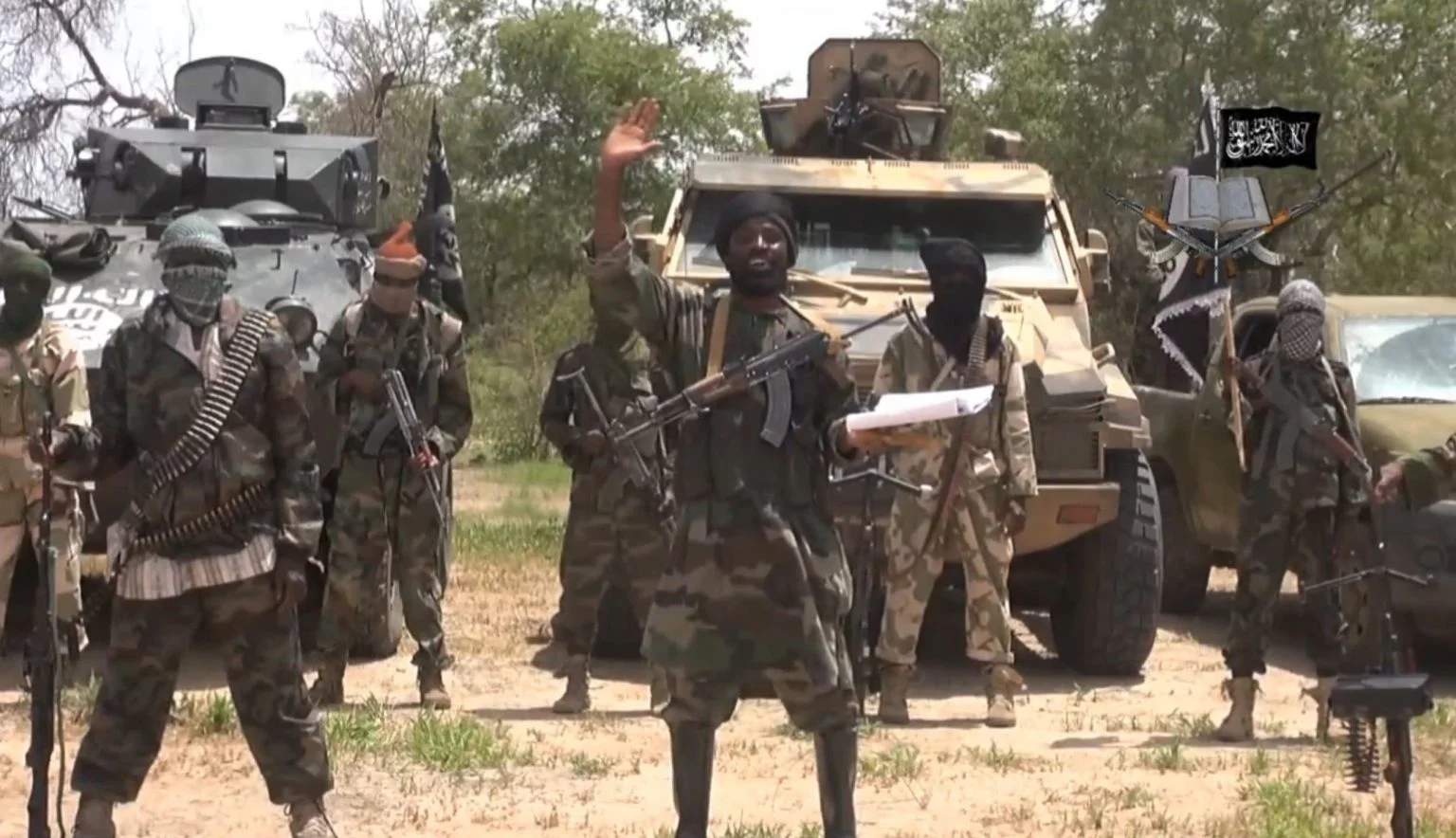
A new report by the Cambridge Programme on AI Science & Policy has revealed that Boko Haram has integrated artificial intelligence (AI) into its operations, using publicly available AI chatbots to support attack planning, weapons maintenance, explosives development, drone operations, logistics and operational security.
The findings are based on 57 face-to-face interviews conducted in Borno and Adamawa states between 2025 and 2026 with 27 former Boko Haram members, including mid-level commanders, bomb-makers, weapons specialists, engineers and other technical personnel.
According to the report, the interviews documented the group’s use of AI between 2023 and 2024, with one participant providing information extending into mid-2025.
Fifteen of the 27 participants confirmed knowledge of Boko Haram’s AI activities, while the remaining respondents said access to the technology was restricted to selected commanders and specialised technical units.
The report found that both the Islamic State West Africa Province (ISWAP) and the Jama’atu Ahlis Sunna Lidda’awati wal-Jihad (JAS) faction used AI platforms including ChatGPT, Claude, Gemini, Grok, Meta AI and DeepSeek. ChatGPT was identified as one of the earliest and most frequently used systems.
Researchers said the technology was not used casually by individual fighters but was managed through dedicated AI units established by both factions.
These units reportedly consisted of between five and 20 members, including bomb-makers, weapons specialists, engineers, intelligence personnel, computer-literate fighters and senior commanders.
ISWAP was said to have established AI units in major operational commands, including Sambisa, Timbuktu and the Lake Chad region. The Lake Chad unit was described as the most senior and was reportedly supervised by operatives linked to the Islamic State.
The report also stated that the JAS faction created a central AI unit alongside smaller units operating under each of its four senior commanders.
According to former members interviewed, the AI specialists were exempted from frontline combat duties and were responsible for interacting with AI systems, analysing responses and translating the information into operational guidance for commanders and fighters.
One former member told researchers that ordinary fighters were not permitted to access the computers used by the AI units, with only trained specialists authorised to operate the systems.
The report said foreign Islamic State operatives introduced the technology to ISWAP through organised training sessions attended by senior commanders and selected fighters. During the sessions, demonstrations were reportedly projected to groups of between 30 and 50 participants, while each battalion nominated technically capable personnel for specialised instruction.
Researchers found that the original Lake Chad AI unit later trained about 10 personnel in each of 12 camps, although direct access to AI platforms continued to be restricted according to rank and responsibility.
According to the report, foreign operatives also supplied laptops dedicated to AI activities, installed virtual private networks (VPNs) and encryption software, created user accounts, funded premium subscriptions and provided ongoing guidance on how to interact with the AI systems.
The report alleged that Boko Haram maintained subscriptions across multiple AI platforms using accounts established and financed by members of the wider Islamic State network in countries including Sudan. Some accounts were reportedly registered in the names of external supporters or deceased members to reduce the risk of detection and allow replacement if accounts were suspended.
Researchers documented several operational uses of AI, including planning and comparing attack strategies, designing and troubleshooting improvised explosive devices, repairing firearms and vehicles, improving logistics, enhancing communications and operational security, calculating drone payloads, refining drone release mechanisms, analysing battlefield imagery, reviewing failed attacks and developing methods to overcome military defences.
One example cited in the report described how ISWAP commanders reportedly used AI to develop methods for crossing defensive trenches around military installations with motorcycles after previous assaults had failed.
Another account alleged that a fighter equipped with a chest-mounted camera transmitted battlefield images to a command location, where a commander uploaded the footage to an AI chatbot, analysed the tactical situation and relayed operational adjustments to fighters in real time.
The report also stated that bomb-making teams repeatedly consulted AI systems while developing explosive devices, using the platforms to troubleshoot failed designs and improve reliability.
Former members interviewed said AI enabled the group to coordinate attacks more efficiently, improve the effectiveness of conventional explosives and reduce casualties among its own fighters.
One participant described the technology’s perceived advantage, saying: “Trial and error can kill you. AI gives you accuracy.”
Researchers further found that AI was used to support ISWAP’s drone programme by providing guidance on payload weight calculations and mechanisms for releasing loads from drones.
According to the report, the group’s trainers also taught selected members techniques for bypassing AI safety restrictions by disguising prohibited requests as fictional scenarios or research for films. When one platform rejected queries or suspended accounts, users reportedly switched to alternative AI services or replacement accounts.
While some interviewees expressed interest in chemical and biological weapons and a few described limited experimentation with chemical agents, the researchers said they found no evidence that either Boko Haram faction currently possesses an operational chemical, biological, radiological or nuclear (CBRN) weapons capability. The report concluded that the group’s verified AI-assisted activities remain focused on improving conventional weapons, battlefield tactics and insurgent operations.
The findings add to growing global concerns about the misuse of rapidly advancing artificial intelligence technologies by terrorist organisations and other violent non-state actors. Security experts have increasingly warned that freely accessible AI tools could enhance the technical capabilities of extremist groups, prompting calls for stronger safeguards by AI developers and closer international cooperation to prevent the exploitation of emerging technologies for terrorist purposes.

