
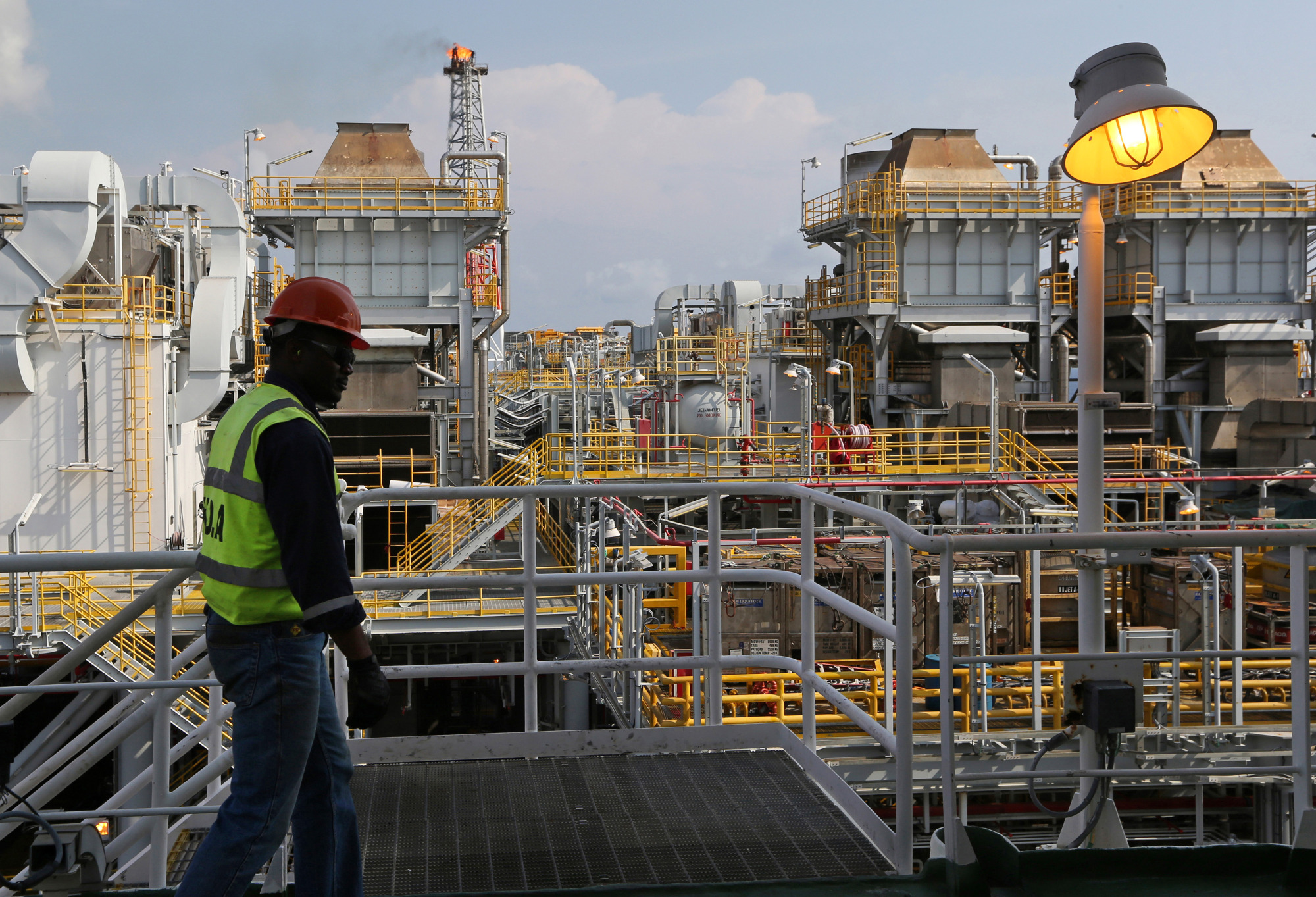
Nigeria’s crude oil production rose to 1.307 million barrels per day (bpd) in July, according to the monthly oil market report by the Organisation of Petroleum Exporting Countries (OPEC).
This marks an increase of 30,000 bpd compared to June’s production of 1.276 million bpd.
The production data is based on direct communication with Nigerian authorities. Secondary sources reported a daily average production of 1.386 million bpd in June, up by 16,000 barrels from May’s 1.369 million bpd. Despite fluctuations, Nigeria maintained its position as Africa’s largest oil producer, with Libya close behind at 1.175 million bpd in July.
OPEC data also highlighted a 2.5% month-on-month increase in average crude oil prices in July, reaching $83.3 per barrel, driven by strong market fundamentals. However, global macroeconomic uncertainties limited gains, with year-on-year prices rising by 5.4%.
Despite the rise in production, Nigeria’s average output of 1.30 million bpd in June fell short of its OPEC production quota of 1.5 million bpd and its budget target of 1.78 million bpd for the first half of 2024. This shortfall continues to hamper revenue generation efforts for President Tinubu’s administration.
Minister of Petroleum Resources, Heineken Lokpobiri, previously stated the country aims to achieve a daily production of two million barrels next year. However, this goal remains uncertain due to persistent challenges such as insecurity, low investment, and the exit of international oil companies (IOCs). Additionally, unresolved issues regarding the approval of oil asset transfers have further complicated the sector’s outlook.
Earlier this month, the Nigerian National Petroleum Corporation Limited (NNPCL) declared a renewed effort to address the challenges hindering crude oil production, as output has stagnated over the past five months. In March, President Tinubu signed a series of fiscal incentives aimed at improving the investment climate and positioning Nigeria as the leading destination for oil and gas investments in Africa. These directives include financial incentives for developing non-associated gas, midstream operations, and deepwater projects, as well as streamlining the contracting process to reduce cycle time to six months.

