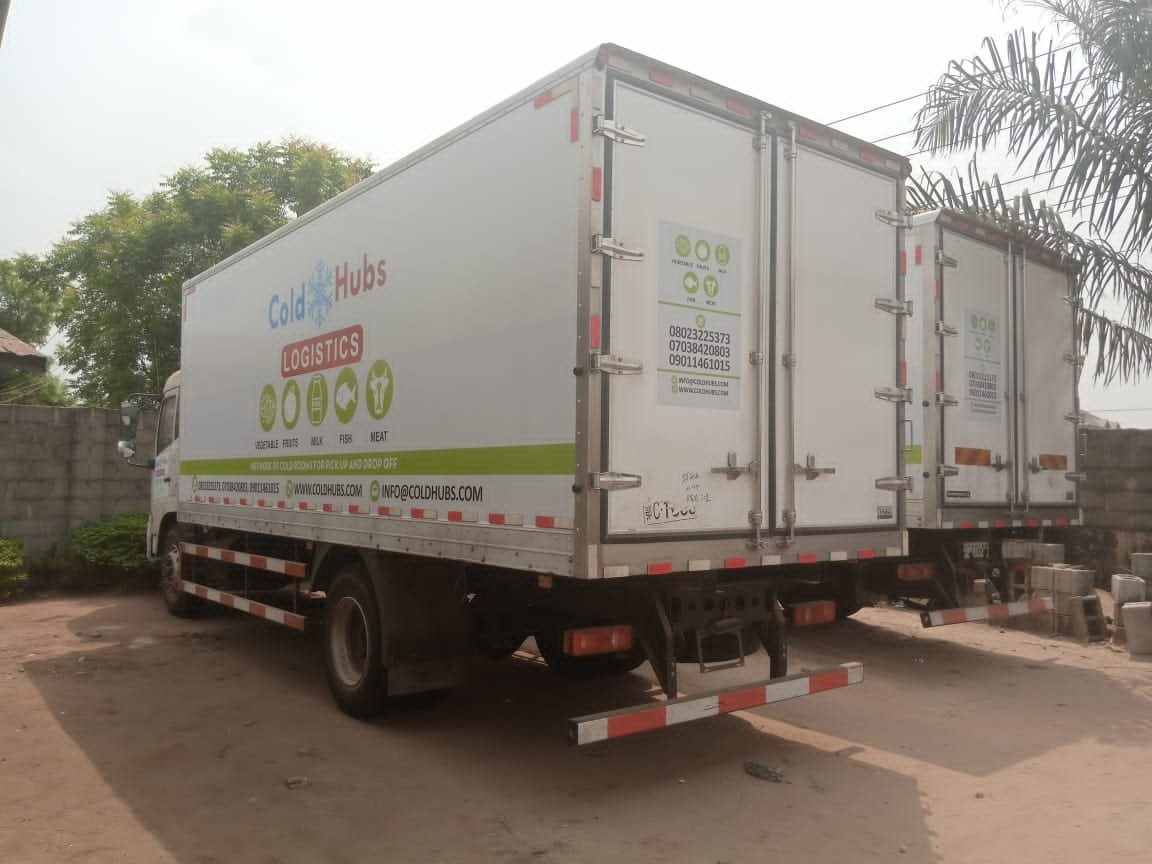
Nigeria’s cold chain industry, valued at approximately ₦160 billion, is rapidly emerging as a prime investment opportunity.
The sector, which includes temperature-controlled logistics essential for the preservation of perishable goods such as food, pharmaceuticals, and vaccines, is experiencing significant growth. This expansion is driven by increasing consumer demand for fresh produce, dairy, and frozen foods, alongside the country’s growing healthcare needs.
A major challenge in Nigeria’s cold chain infrastructure is the high rate of post-harvest losses, with over 40% of agricultural produce estimated to spoil before reaching consumers. This inefficiency results in substantial economic losses, emphasizing the need for substantial investment in cold storage and transportation solutions.
Several companies are leading the charge in addressing these challenges, with innovations in sustainable, solar-powered cold storage units that help rural farmers. These advancements are particularly important in a country where unreliable electricity supply and the high cost of fuel make traditional cold chain solutions less viable.
The Nigerian government has recognized the importance of a robust cold chain infrastructure and is implementing supportive measures, including public-private partnerships, exemptions on import tariffs for refrigeration equipment, and the development of new cold storage hubs. These initiatives aim to improve accessibility, reduce food waste, and support the growth of the sector.
With projections indicating continued growth, Nigeria’s cold chain market presents a compelling opportunity for investors looking to engage in a sector poised for transformation and essential to the country’s broader economic development.