
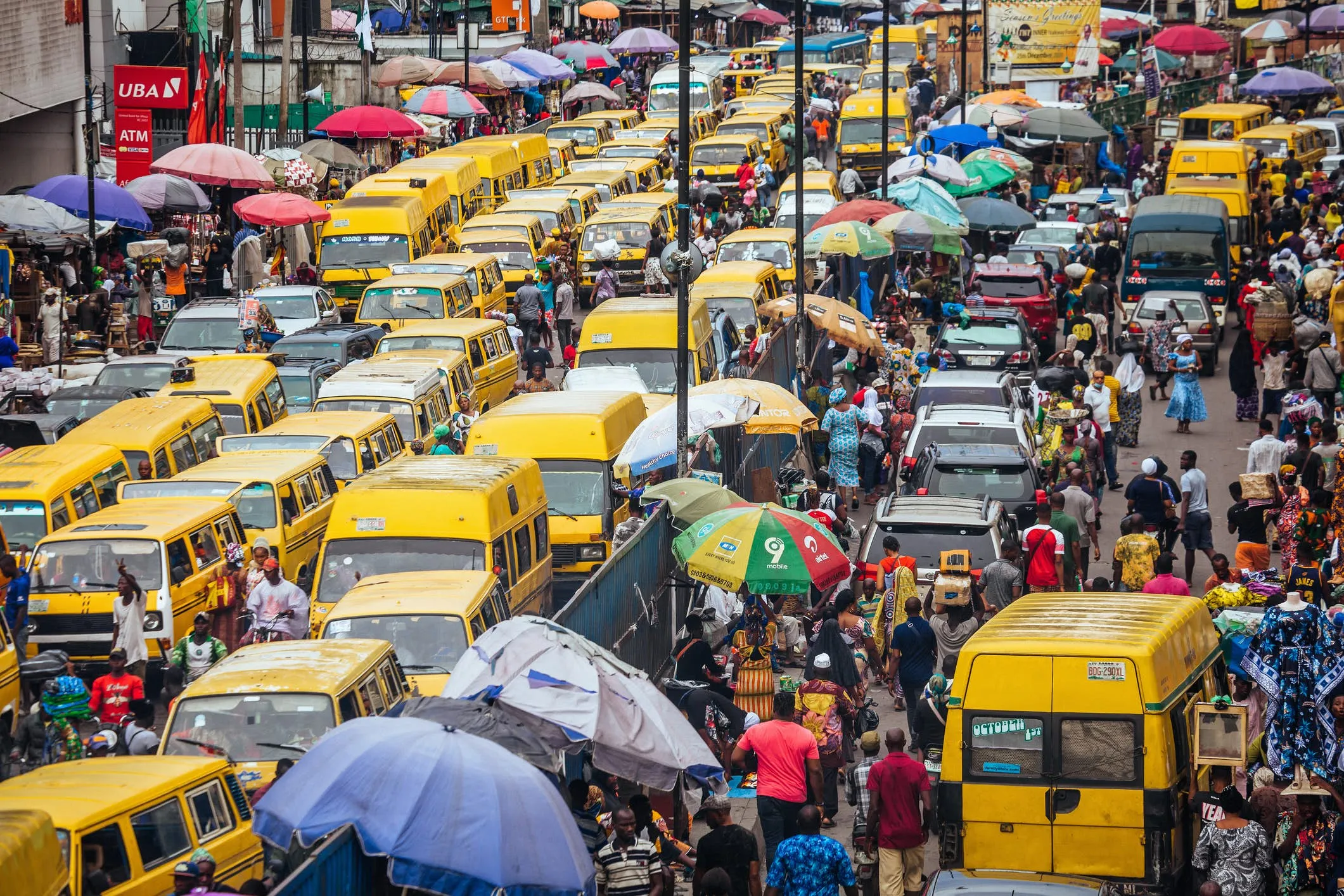
As Nigeria observes Workers Day 2024, the Nigeria Labour Congress (NLC) and the Trade Union Congress (TUC) are raising alarms over the severe economic difficulties faced by workers, driven by skyrocketing food prices and ongoing fuel shortages.
The situation is further aggravated by recent spikes in electricity tariffs and fuel costs.
Food staples such as rice, beans, maize, plantain, and tomatoes have seen price increases between 25.34% and 40.01% as of March 2024. Additionally, a staggering 603% hike in electricity tariffs—to N225 per kilowatt—has added to the financial strain on Nigerian workers.
The country is also grappling with fuel scarcity, leading to extensive queues at petrol stations. Many workers and students have been left stranded, unable to reach their destinations. The economic strain is so acute that the survival of workers under these conditions is described as “a miracle” by TUC Chairman, Sola Adigun. He highlighted the tough economic environment, characterized by inflation, poverty, and escalating living costs, as major threats to the livelihood of the average Nigerian worker.
Despite these harsh conditions, Adigun sees reasons for workers to celebrate, such as the freedom to express grievances and demands without fear of reprisal, a right he noted was not always assured in the past. He commended the resilience of Nigerian workers who continue to fulfill their roles amid these severe challenges.
Ibrahim Fika, the NLC secretary in Gombe, emphasized the direness of the situation, pointing out that workers’ salaries no longer cover basic necessities due to rampant inflation and the steep cost of utilities. He reported that available fuel is often sold at exorbitant rates, much higher than the official prices.
On this Workers Day, while acknowledging the extreme economic challenges, there is also a celebration of the fortitude and perseverance of Nigerian workers who navigate these adversities daily.

