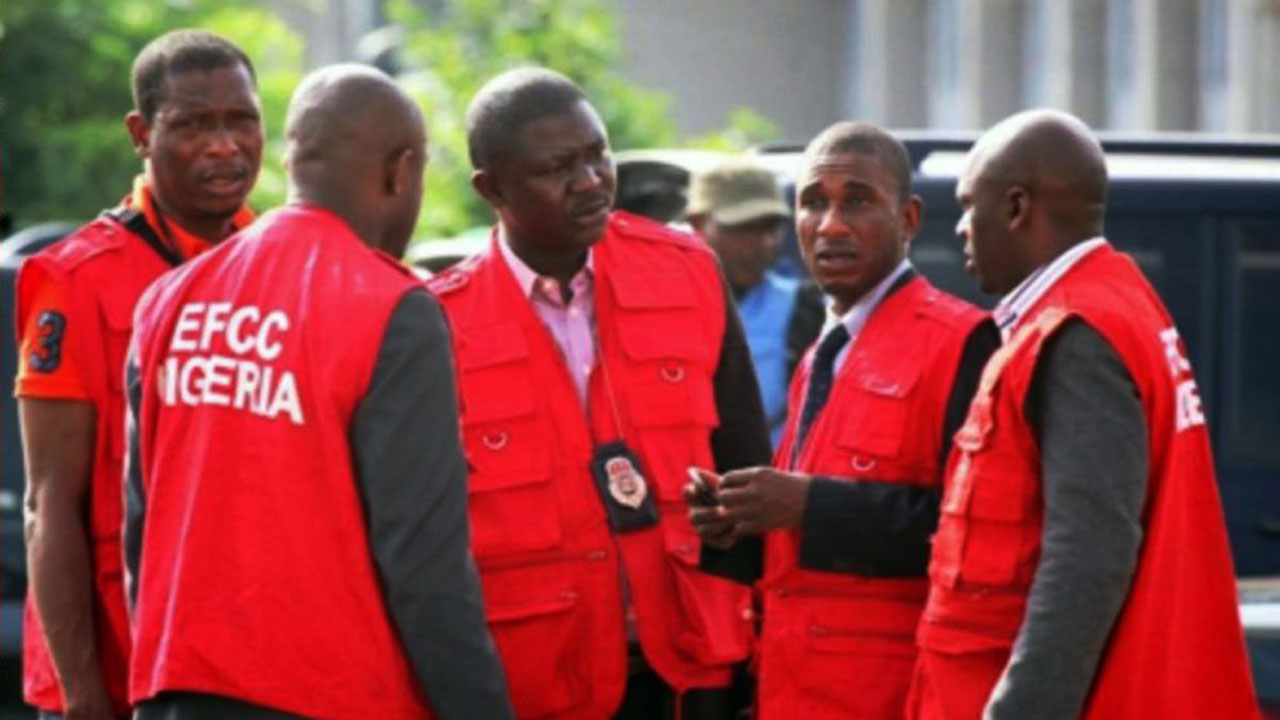
On April 5, 2024, the Economic and Financial Crimes Commission (EFCC) arraigned popular cross-dresser Idris Olanrewaju, also known as Bobrisky, on charges of naira abuse.
Bobrisky pleaded guilty and was sentenced to six months in prison by Justice Abimbola Awogboro of the Federal High Court in Lagos.
This sentencing raised eyebrows, particularly as another individual, businessman Pascal Okechukwu (known as Cubana Chief Priest), faced the same charges but pleaded not guilty and received bail.
The legal community has voiced concerns over the EFCC’s role in these prosecutions, arguing that the agency might be overstepping its bounds. Former National Human Rights Commission Chairman, Prof. Chidi Odinkalu, highlighted that the EFCC’s mandate does not traditionally include cases of naira abuse, suggesting such matters fall outside the scope of economic and financial crimes as defined by the EFCC’s establishing law.
Supporting this view, Chief Solo Akuma (SAN) pointed out that the Central Bank of Nigeria (CBN) or the police are more appropriate bodies for handling these offenses, under the CBN Act. According to Akuma, the EFCC’s involvement could be seen as excessive and misplaced.
Further criticism came from Dr. Olisa Agbakoba (SAN), former President of the Nigerian Bar Association, who cited a Supreme Court decision (Nwobike Vs EFCC) that limits the EFCC’s prosecutorial powers to specific economic and financial crimes, excluding naira abuse.
Echoing these sentiments, U.S.-based lawyer and activist Mr. Christmas Akpodiete and Ikeja branch NBA Chairman Mr. Oluseyi Olawumi also argued that prosecuting naira abusers is within the jurisdiction of the police, not the EFCC.
Conversely, Yusuf Nurudeen offered a different perspective, suggesting that the Attorney General of the Federation could delegate such prosecutorial powers to the EFCC if deemed necessary, thus integrating naira-related offenses within the broader context of financial crimes.
This debate continues as the legal community and the public alike scrutinize the EFCC’s actions and the broader implications for legal jurisdiction and resource allocation in tackling financial misconduct in Nigeria.