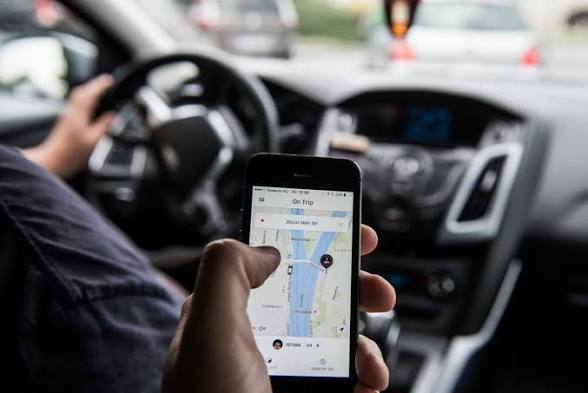
The Amalgamated Union of App-Based Transporters of Nigeria, Lagos State chapter, has announced a three-day strike by app-based drivers beginning on Sunday over concerns about working conditions and earnings.
The union’s Public Relations Officer, Steven Iwindoye, made the announcement during a news conference in Lagos on Sunday.
App-based drivers in Lagos have raised concerns about what they described as poor working conditions and unsustainable fares on the Bolt ride-hailing platform. Iwindoye said the decision followed prolonged complaints and unresolved issues surrounding the economic challenges faced by app-based transport workers in the state.
He said, “Drivers operating on platforms such as Uber, Bolt, inDrive, and Lagride face rising operational costs, including high fuel prices, vehicle maintenance, inflation, and daily living expenses.
“Unfortunately, fare structures and policies of these companies have not been adjusted to reflect these economic realities. Thousands of drivers now struggle to earn a sustainable income despite working long hours.”
He also stated that the strike was a necessary measure to demand urgent reforms within the app-based transport industry.
According to Iwindoye, during the strike drivers across Lagos will log off from all ride-hailing platforms, including Uber, Bolt, inDrive, and Lagride.
He explained that the action is not intended to punish commuters but to seek fair treatment, economic sustainability, and safety protections for drivers who provide essential transportation services.
The union spokesperson said the organisation had presented 10 key demands to ride-hailing companies and government authorities.
According to him, the demands include an immediate fare review to reflect current costs of fuel, vehicle maintenance, and inflation, as well as a reduction in commission percentages charged by ride-hailing companies to ensure sustainable driver income.
He said the union is also seeking the introduction of a regulated minimum base fare to prevent extremely low-paying trips and the implementation of improved rider verification systems.
Other demands include functional emergency panic buttons, rapid real-time response mechanisms to protect drivers from security threats, as well as comprehensive accident, health, and life insurance coverage for drivers while active on ride-hailing platforms.
Iwindoye added that at the end of the three-day shutdown, the union would review responses from the ride-hailing companies and the government before deciding on further actions.