
Kano State has recorded the highest number of completed registrations in the third phase of the Continuous Voter Registration (CVR) exercise being conducted by the Independent National Electoral Commission (INEC), according to the latest registration data released by the electoral body.
The figures, compiled as of June 5, 2026, show that Kano registered 61,128 new voters, placing it ahead of all 36 states and the Federal Capital Territory (FCT) in the ongoing exercise ahead of the 2027 general election.
Sokoto State follows with 38,006 completed registrations, while Lagos recorded 35,811. Kaduna, Jigawa and Delta states posted 32,928, 32,969 and 30,925 registrations respectively.
Regional data indicate that the North-West is leading the country in voter registration, recording a total of 229,428 completed registrations. The North-East follows with 131,324 registrations, while the North-Central recorded 130,151.
The South-South registered 107,189 voters, while the South-West and South-East recorded 84,674 and 74,684 completed registrations respectively.
INEC noted that the CVR exercise remains suspended in Ekiti and Osun states pending the conclusion of the off-cycle governorship elections scheduled for June 20 and August 15 respectively.
At the lower end of the registration chart, Ondo State recorded the fewest completed registrations with 4,510 voters. Akwa Ibom followed with 6,800 registrations, while Plateau, Borno and Kwara states recorded 8,026, 10,474 and 10,779 registrations respectively.
The voter registration exercise forms part of preparations for the 2027 general election and is expected to continue until August. Following the exercise, INEC is expected to conduct a clean-up of the voter register to identify and remove cases of double registration and other irregularities.
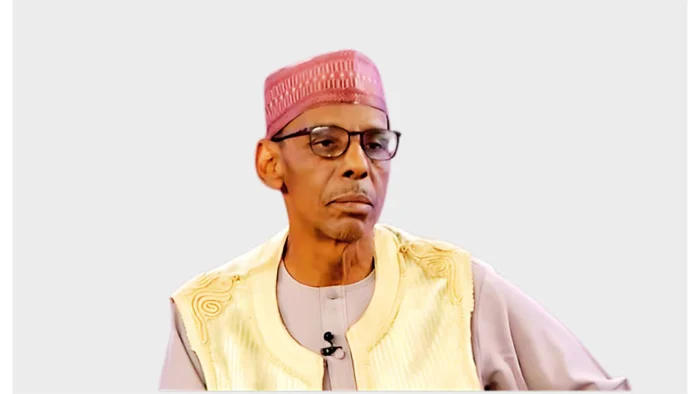
Meanwhile, the National Chairman of the Peoples Redemption Party (PRP), Hakeem Baba-Ahmed, has called for reforms aimed at strengthening the independence and credibility of the electoral process ahead of the 2027 elections.
Speaking in Abuja, Baba-Ahmed stressed the need to shield INEC from political interference, arguing that the commission must be empowered to operate independently if it is to conduct credible elections.
He advocated a review of the process for appointing the INEC chairman, national commissioners and Resident Electoral Commissioners (RECs), saying the current system gives the executive excessive influence over the electoral body.
According to him, greater institutional independence would strengthen public confidence in the commission and improve the integrity of elections.
The PRP chairman also called for budgetary autonomy for INEC, insisting that the commission should be allowed to present and defend its budget directly before the National Assembly without executive involvement.
Baba-Ahmed further urged the introduction of tougher penalties for electoral violence and other forms of electoral malpractice.
He argued that electoral offences continue to persist largely because perpetrators are rarely prosecuted or punished.
“Politicians who compromise the electoral process must face the consequences of their actions. The culture of impunity must end,” he said.
The former INEC secretary warned that elections perceived as lacking credibility could further weaken Nigeria’s democratic institutions and erode public trust in the electoral process.
He added that broader reforms targeted at strengthening institutions such as INEC would form a key component of the PRP’s agenda for restructuring and deepening democracy in the country.
As political parties begin preparations for the 2027 elections, the ongoing voter registration exercise is expected to play a critical role in expanding voter participation and shaping the electoral landscape across the country.

