Gunmen attacked a university community in Nigeria’s central Plateau State on Sunday night, killing at least 30 people, according to residents and local officials, in the latest violence in a region long affected by recurring conflicts.
The attack occurred in the Gari Ya Waye community of Angwan Rukuba district in Jos North Local Government Area, where residents said the assailants arrived and shot at people indiscriminately, leaving several others injured and receiving treatment at medical facilities.
Violence in Nigeria’s Middle Belt, including Plateau State, has frequently been described as ethno-religious, often involving mainly Muslim Fulani herders and predominantly Christian farming communities. However, experts and political observers have increasingly pointed to broader factors such as climate change and expanding agricultural activity, which intensify competition over land and resources, contributing to persistent clashes irrespective of religion or ethnicity.
Markus Audu Kando, a resident and co-chair of a Plateau youth interfaith group, confirmed the rising death toll, stating by phone: “As I speak with you, the figure is now 30 … There are injured people at the hospital, but I cannot confirm their number.”
Residents said the attack unfolded late in the evening, catching many community members off guard.
“People were here in the evening and unfortunately, wicked terrorists came and attacked our people. We have counted scores of people who are now dead and then so many others are also in the hospital receiving treatment,” Paul Mancha, a resident and chairperson of the youth council in Plateau, said earlier.
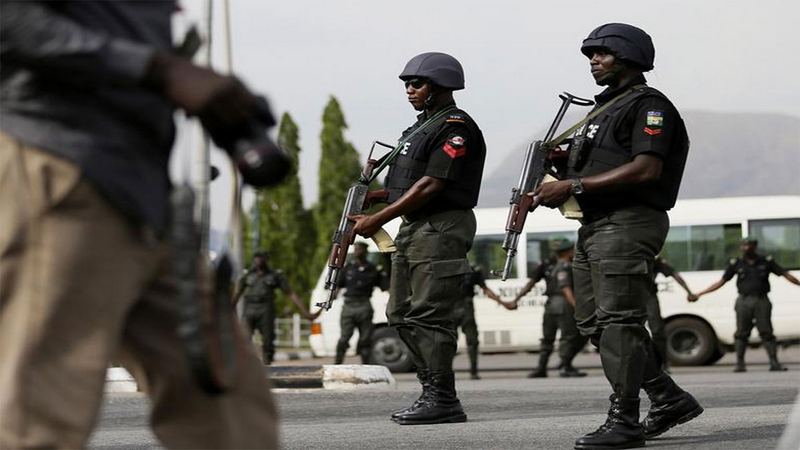
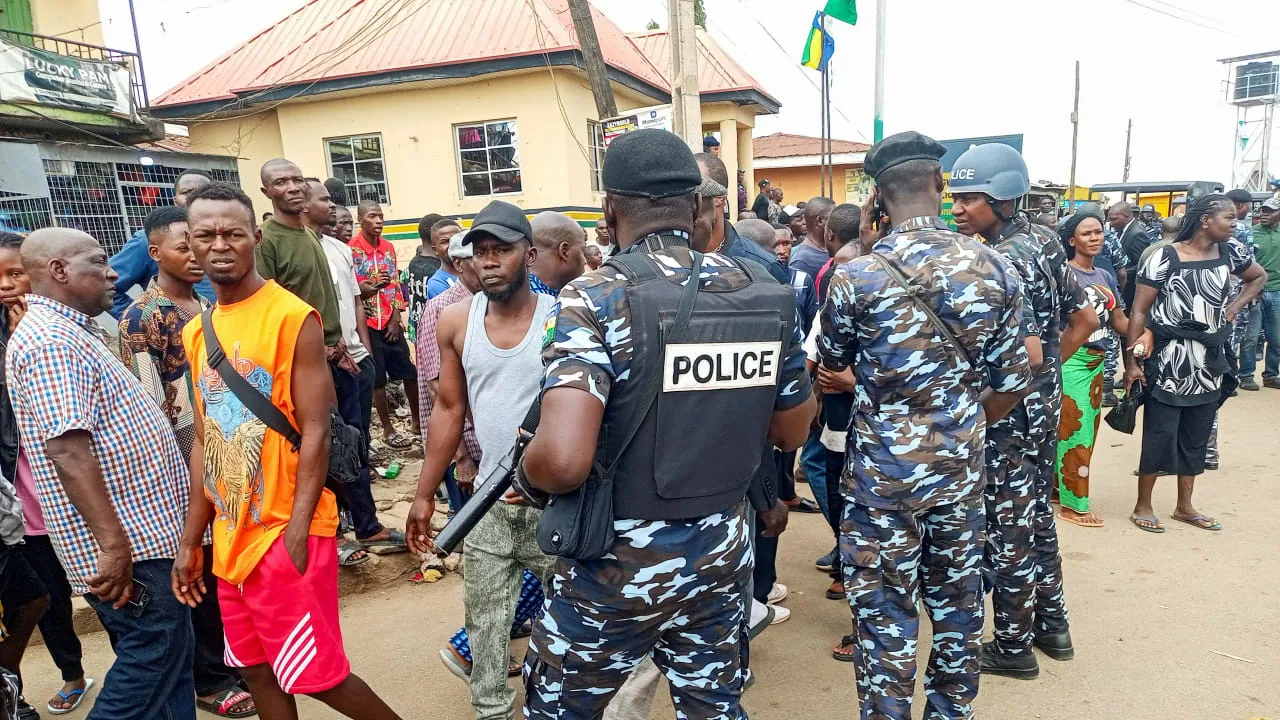
In response to the incident, the Plateau State Government said the attackers remained unidentified and imposed a 48-hour curfew in the affected district to prevent further escalation and restore order.
The University of Jos also suspended examinations that were scheduled to begin on Monday, citing security concerns following the attack on the host community.
The incident adds to ongoing security concerns in the Middle Belt region, where cycles of violence have persisted over the years, often resulting in significant loss of lives and displacement of communities, despite repeated interventions by security agencies.
The attack comes amid international scrutiny of Nigeria’s security situation. In November, former United States President Donald Trump re-designated Nigeria as “a country of particular concern,” alleging that Christians were being targeted and that authorities were failing to provide adequate protection, a claim the Nigerian government has consistently denied.