
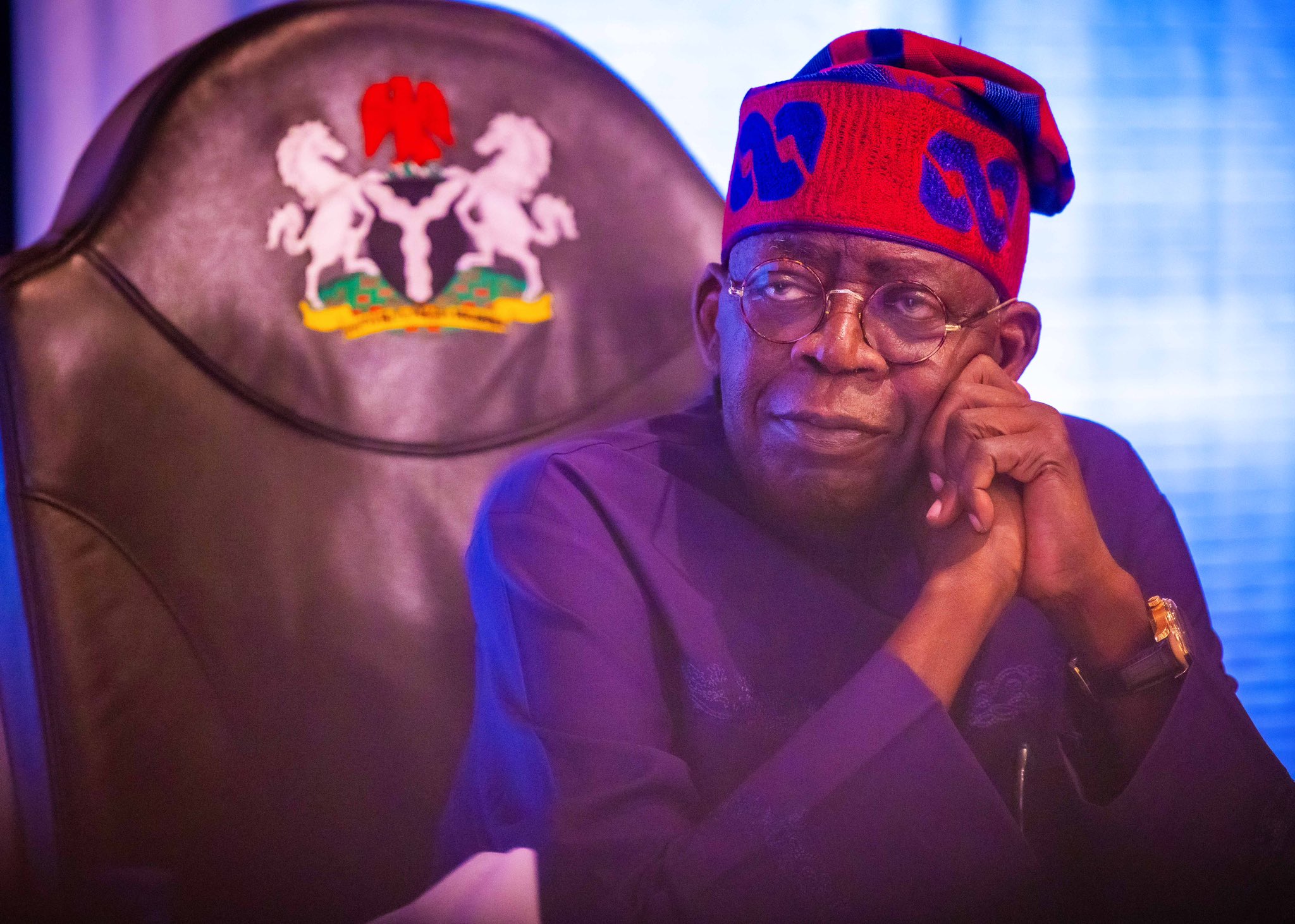
Nigeria faces renewed public discontent as the government’s recent decision to hike electricity tariffs by 240 percent compounds the nation’s economic challenges.
This move comes on the heels of President Bola Ahmed Tinubu’s earlier economic policies, which have already stretched the patience and finances of the Nigerian populace.
Despite assurances from the Minister of Power, Adebayo Adelabu, that 85 percent of electricity consumers would be unaffected by the hike, major labor unions and commerce chambers have voiced their strong opposition, highlighting the deepening economic hardship and confusion surrounding the tariff’s implementation.
The implementation of the new rates by the Distribution Companies (Discos) has led to widespread dissatisfaction, especially after the Abuja Electricity Distribution Company admitted to mistakenly applying the hike to consumers outside the intended Band A category. This error resulted in a hefty N200 million fine from the Nigerian Electricity Regulatory Commission (NERC) and an order for the company to compensate affected consumers.
Amidst fears of arbitrary billing, the Federal Competition and Consumer Protection Commission (FCCPC) has called for the government to mandate the metering of all Band A customers within 60 days and prevent the migration of consumers to higher bands without proper metering. With only 5.7 million of Nigeria’s 12 million electricity consumers currently metered, concerns about unfair billing practices under the new tariff regime are escalating.
This latest development in Nigeria’s energy sector adds another layer of difficulty for citizens already grappling with the economic effects of subsidy removal and currency policies. As the government and regulatory bodies navigate these challenges, the need for transparent and equitable solutions becomes ever more critical to alleviating the burden on Nigeria’s populace.

