
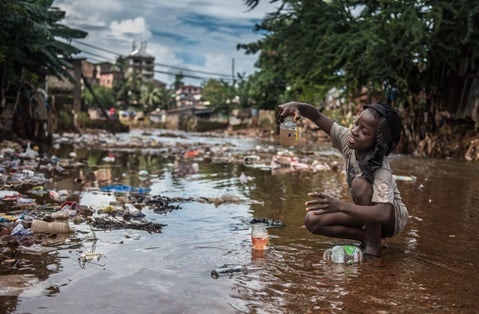
Nigeria is grappling with a severe cholera outbreak, recording over 2,100 suspected cases across 33 states, according to health authorities. This marks a significant surge from the 1,579 cases reported just a week earlier, underscoring the rapid spread of the disease.
The Nigeria Centre for Disease Control and Prevention (NCDC) disclosed these alarming figures, placing the case fatality rate at 3%. NCDC Director General Jide Idris briefed journalists on Tuesday, detailing the measures being deployed to combat the outbreak. He confirmed that, as of June 30, 2024, a total of 2,102 suspected cases and 63 deaths had been recorded across 122 local government areas.
“This ensures effective mobilisation, harmonisation, and distribution of resources to support the affected states,” Idris stated. He elaborated on the response strategy, which encompasses coordination, surveillance, case management, infection prevention and control, risk communication and community engagement, water sanitation and hygiene, vaccination, logistics, and research.
Idris identified the most affected states, which include Lagos, Bayelsa, Abia, Zamfara, Bauchi, Katsina, Cross River, Ebonyi, Rivers, and Delta, collectively contributing to about 90% of the cases. He attributed the outbreak to the consumption of contaminated water and food, emphasizing the highly contagious nature of cholera.
The Director General also highlighted inadequate toilet facilities, poor sanitation, and insufficient access to safe water as key challenges in eradicating cholera in Nigeria. To address these issues, the recently activated National Cholera Multisectoral Emergency Operation Centre (EOC) is providing strategic coordination and support to the affected regions.

