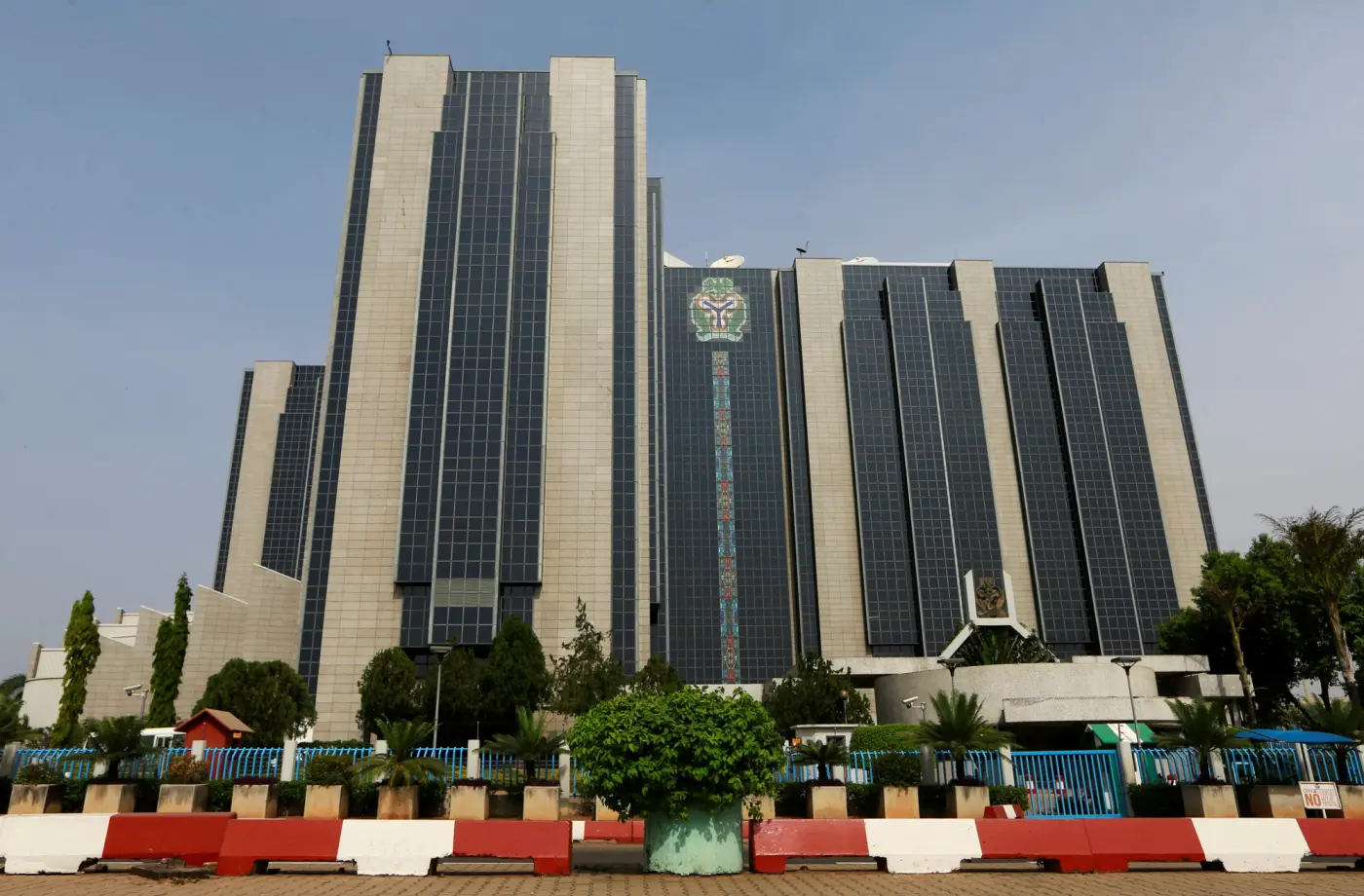
Governor of the Central Bank of Nigeria (CBN), Mr. Olayemi Cardoso, has signaled that interest rates may decline in the coming months as inflation shows signs of easing, a development expected to improve access to credit and drive new investments.
He made this disclosure on Saturday at the European Business Chamber (Eurocham Nigeria) C-Level Forum in Lagos.
Cardoso reaffirmed the Bank’s commitment to macroeconomic stability, strengthening the banking sector, and positioning Nigeria as a leading investment destination. “Headline inflation, though still elevated, has begun to slow, creating the potential for lower interest rates once price stability is further consolidated,” he stated.
“There is substantial potential for interest rates to decrease in the future as inflation continues to decline and as markets become more efficient in allocating capital. That is the environment in which stronger corporate lending and higher levels of investment will naturally follow,” he added.
The CBN governor acknowledged that high interest rates have been a strain on businesses but stressed that the Bank’s foremost priority has been restoring confidence and resilience within the financial system. “We will protect the stability that has been re-established in the financial system with the utmost zeal. Our primary objective is to maintain that stability while simultaneously addressing inflation and ensuring that the financial system is sufficiently resilient to facilitate corporate lending and investment,” he said.
He highlighted progress in the ongoing bank recapitalisation programme, describing it as essential to building stronger financial institutions capable of withstanding shocks and supporting long-term economic growth. He further noted that deepening financial inclusion and leveraging technology-driven solutions remain key priorities, explaining that expanding fintech access and encouraging innovation would play a critical role in reducing poverty and bridging financing gaps.
Cardoso also pointed to enhanced coordination with fiscal authorities as a positive shift in Nigeria’s policy direction, citing collaboration with the Ministry of Finance, the Ministry of Trade and Industry, and the Budget Office as crucial to sustaining reforms and achieving long-term stability.
On Nigeria’s broader role in the global economy, Cardoso said the country’s size and strategic position in West Africa give it a unique advantage. “Nigeria is a market that is both large and appealing in its own right, and it is also situated at the entrance to the broader continent and West Africa. This underscores the importance of maintaining stability at home,” he remarked.
The CBN has maintained the Monetary Policy Rate at 27.50 per cent in all its meetings this year, including those held in February, May, and July.