
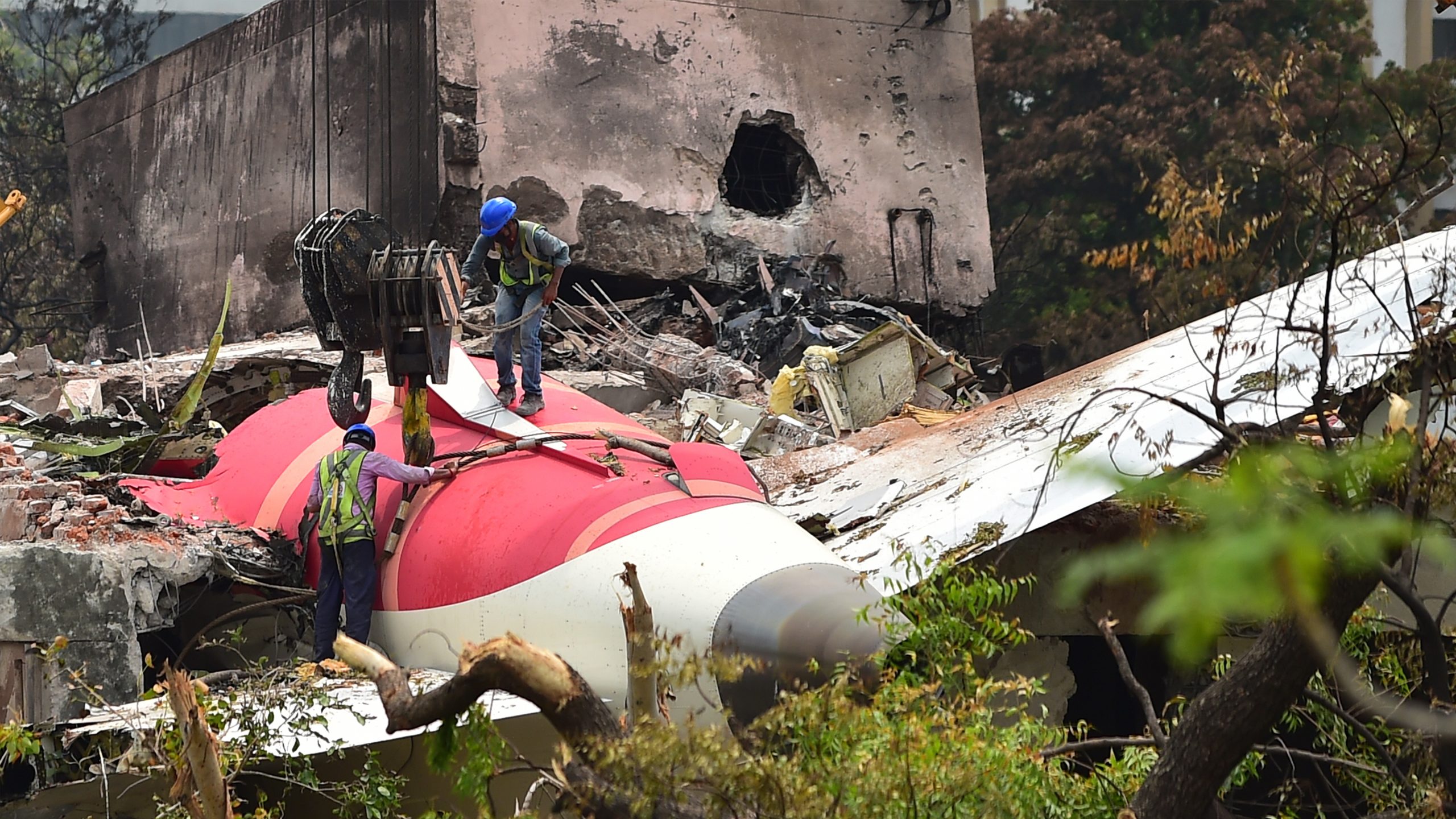
Indian aviation authorities have launched a high-level investigation into whether sabotage played a role in Tuesday’s catastrophic Air India flight AI-147 crash that killed all 260 passengers and crew aboard.
The Boeing 787 Dreamliner plunged into the Arabian Sea minutes after takeoff from Mumbai’s Chhatrapati Shivaji Maharaj International Airport, marking India’s deadliest aviation disaster in nearly three decades.
Civil Aviation Minister Ram Mohan revealed disturbing preliminary findings at a somber press conference in New Delhi. “The black box recovery shows the aircraft made an abrupt, inexplicable 180-degree turn before descending at impossible speed,” Mohan stated. “Our forensic teams are urgently examining all possibilities, including potential tampering with flight control systems.”
The investigation has taken a serious turn with the discovery of CCTV footage showing unauthorized personnel accessing the aircraft’s maintenance area 36 hours before departure. Aviation security experts confirm the footage is being analyzed frame-by-frame to identify the individuals involved.
Adding to suspicions, the pilot’s final distress call included the phrase “uncommanded inputs” – technical aviation terminology that suggests possible external interference with flight systems. Intelligence agencies are reportedly vetting all ground staff after intercepting concerning communications about “aviation punishment” from banned extremist groups.
The disaster has triggered global aviation safety alerts, with several international airlines voluntarily grounding their 787 fleets as a precaution. Boeing has dispatched its top technical teams to assist Indian investigators, while the U.S. National Transportation Safety Board has offered additional support.
At the crash site off the Mumbai coast, recovery crews continue the grim task of retrieving remains from the seabed. The flight was carrying 237 passengers, including 12 infants, and 23 crew members on what should have been a routine two-hour hop to Dubai. Many victims were reportedly Indian workers returning to Gulf jobs after visiting family.
Prime Minister Narendra Modi declared three days of national mourning, vowing in a televised address: “If this proves to be a deliberate act, the perpetrators will face consequences beyond imagination.” The crash has shaken India’s aviation community, coming just months after the country celebrated becoming the world’s third-largest air travel market.
As investigators work around the clock, aviation experts caution that sabotage determinations require meticulous evidence collection. “These things take time,” said former DGCA chief Arun Mishra. “Every component, every system must be examined forensically before jumping to conclusions.”
For grieving families gathered at a makeshift memorial near Mumbai airport, answers can’t come soon enough. “My brother was on that flight,” said one distraught relative who asked not to be named. “We need to know the truth – was this an accident or something more sinister?”
The tragedy has reignited debates about aviation security worldwide, with calls for enhanced protections against potential cyber and physical threats to aircraft systems. Industry analysts note this incident could prompt the most significant overhaul of maintenance protocols since the 9/11 attacks.
With the investigation expected to take months, authorities have established a 24-hour hotline for affected families while warning against speculation. “We will follow the evidence wherever it leads,” Minister Mohan pledged. “The victims, their families, and the flying public deserve nothing less than the full, unvarnished truth.”
This developing story continues to unfold as forensic teams examine wreckage and investigators interview hundreds of potential witnesses. The global aviation community watches anxiously, aware that the findings could reshape safety procedures for airlines worldwide.

