
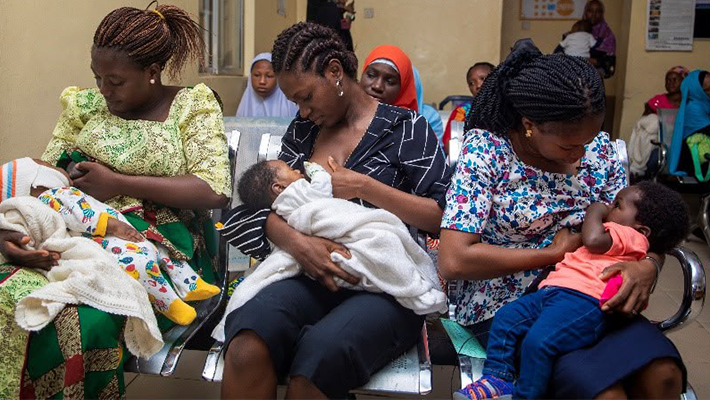
Nursing mothers in Abuja have shared their experiences with exclusive breastfeeding, describing it as rewarding but also physically, emotionally and financially demanding.
The mothers spoke with journalists on Tuesday in Abuja as activities marking World Breastfeeding Week continued.
A first-time mother, Amina Ibrahim, said breastfeeding was different from what she had expected before giving birth, particularly during the early days when her baby struggled to latch.
“I thought it would come naturally, but my baby struggled to latch in the first few days. I cried almost every night because I felt I was failing as a mother,” she said.
Ibrahim said encouragement from nurses and her husband helped her overcome the initial difficulties, allowing her to breastfeed her baby exclusively for six months.
Blessing Okafor, a banker and mother of a six-month-old baby, said returning to work after maternity leave nearly ended her breastfeeding journey.
“My office has no breastfeeding room, so it became a daily struggle. Sometimes I worried my baby wasn’t getting enough breast milk,” she said.
Hauwa Sani, a mother of twins, identified physical exhaustion and the rising cost of maintaining a nutritious diet as some of her biggest challenges.
“Breastfeeding two babies at the same time was not easy at all. I hardly get enough sleep, and I have to eat well to keep producing milk. Without my family’s support, I don’t think I would have managed through,” she said.
A father of two, Habib Ismail, said the role of fathers in supporting successful breastfeeding was often overlooked.
“My job is to support my wife by helping with the baby and household chores. When fathers provide emotional and practical support, mothers are more likely to continue breastfeeding in spite of challenges,” he said.
A retired nurse at the General Hospital, Garki, Abuja, Safiya Sulaiman, said exclusive breastfeeding during the first six months provides infants with the nutrients they need.
She said exclusive breastfeeding also helps protect babies against infections and reduces the risk of malnutrition.
Sulaiman urged families, employers and communities to create supportive environments for breastfeeding mothers through flexible workplace policies, adequate maternity leave and increased public awareness.
She also advised mothers experiencing breastfeeding difficulties to seek assistance from trained health workers rather than abandoning exclusive breastfeeding because of temporary challenges.
As World Breastfeeding Week continues, several mothers said awareness campaigns alone were not enough, stressing the need for practical support at home, in workplaces and within communities.
According to them, stronger support systems would help mothers overcome the challenges associated with breastfeeding and give every child a healthier start in life.

