
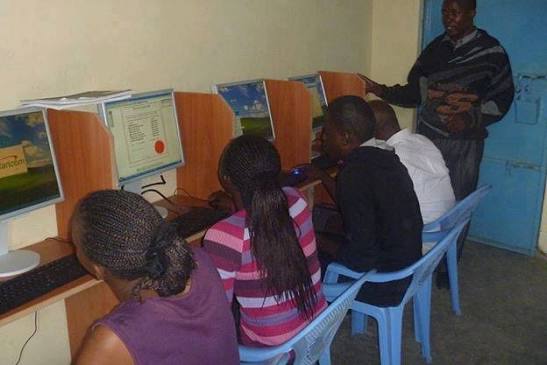
Fifty young people from the New Kuchingoro and Kuje Internally Displaced Persons (IDP) camps in Abuja have graduated from a 10-week social entrepreneurship programme designed to equip them with business, digital and leadership skills to improve their livelihoods and economic prospects.
The initiative, organised by Initiatives for Social Inclusion and Grassroots Literacy (ISGIL) in partnership with Amala Education, saw 25 participants from each camp complete the training during graduation ceremonies held on July 17 and 18.
The programme, which began in May, provided participants with practical training in entrepreneurship, opportunity identification, innovation, waste-to-wealth and recycling, leadership development, digital literacy, financial management, business planning and drug abuse prevention. The curriculum combined classroom sessions with mentorship and enterprise simulations to prepare participants for self-employment and community leadership.
Speaking at the graduation ceremony, ISGIL Founder and Chairman, Oluwayomi Owoseye, said the programme had demonstrated the resilience and potential of displaced young people when given access to quality education and skills development.
“What we have witnessed over these 10 weeks is proof that talent and ambition do not disappear because of displacement,” he said.
“These 50 young people have shown us their capacity to lead, to create and to build. Our responsibility now is to keep opening doors for them.”
Owoseye called on government agencies, development partners and international donors to increase support for initiatives that empower internally displaced persons, noting that many young people living in IDP camps possess untapped talents capable of contributing meaningfully to Nigeria’s economic and social development if adequately supported.
He stressed the need for sustained collaboration among stakeholders to expand access to education, entrepreneurship training and livelihood opportunities for displaced communities across the country.
The programme was coordinated by ISGIL’s Director of Strategy and Operations, Luqman Gidado, who supervised implementation in both camps, overseeing facilitator preparation, training delivery and participant engagement throughout the 10-week exercise.
Facilitators reported notable improvements in participants’ confidence, problem-solving abilities and entrepreneurial mindset, with many progressing from hesitant learners to confidently developing and presenting viable business ideas by the end of the programme.
Several beneficiaries described the initiative as life-changing, saying the knowledge, mentorship and practical skills they acquired had restored their confidence and inspired them to pursue sustainable business opportunities despite the challenges associated with displacement.
ISGIL also acknowledged the contribution of Amala Education for providing technical support, facilitator training, curriculum resources, mentorship and programme supervision throughout the project.
The organisation said it intends to extend the programme to additional IDP camps and other vulnerable communities across Nigeria while strengthening partnerships that will provide graduates with continued mentorship, business incubation opportunities and access to resources required to transform their business ideas into sustainable enterprises.
Nigeria hosts one of Africa’s largest populations of internally displaced persons, with millions forced from their homes by insurgency, banditry, communal conflicts and natural disasters. Development experts have consistently emphasised that alongside humanitarian assistance, investments in education, vocational training and entrepreneurship are essential to helping displaced persons rebuild their lives, achieve economic independence and contribute to national development.

