Despite a significant increase in revenue, Nigerian states continue to face challenges in addressing critical infrastructure needs. Between January and August 2025, the total distributable revenue from the Federation Account reached N12.08 trillion, representing a substantial rise compared to previous years.
This surge is attributed to fiscal reforms, improved tax collection mechanisms, and the removal of fuel subsidies.
However, the financial boost has not translated into major improvements in key sectors. The combined revenue disbursed to the 36 states through August 2025 reached N4.08 trillion, surpassing the previous year’s figures, yet infrastructure development remains suboptimal. Motorable feeder roads, quality basic education, and functional healthcare facilities remain scarce in many regions.
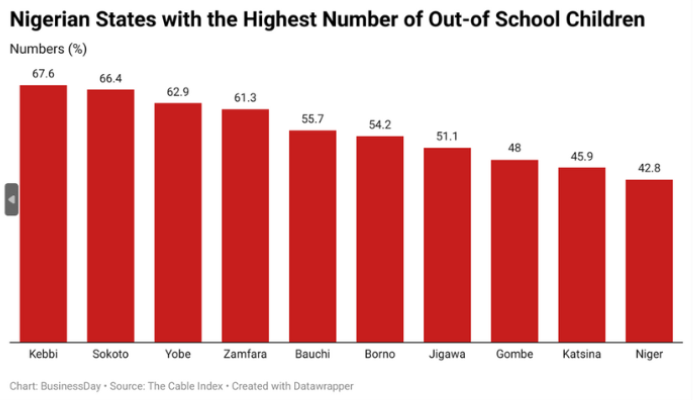
In education, Nigeria accounts for 15% of the global out-of-school children, with 18.3 million children currently not attending school due to worsening insecurity and poverty. Many public school classrooms are dilapidated, with over half of them in poor condition. In some areas, students are forced to sit on the floor due to inadequate infrastructure.
The healthcare sector also faces persistent challenges. Despite increased revenue, per capita expenditure on healthcare has declined over the past decade. Many hospitals remain underfunded and lack essential equipment, affecting the quality of care provided to patients.
Local governments have seen an increase in their revenue share, with N2.58 trillion distributed to the 774 local government councils. However, this has not resulted in significant improvements in local infrastructure or services.
Analysts suggest that while the revenue increase is commendable, state and local governments must prioritize and allocate funds effectively to address pressing infrastructure needs in education, healthcare, and transportation. Without strategic planning and accountability, the gap between revenue generation and infrastructural development may continue to widen.