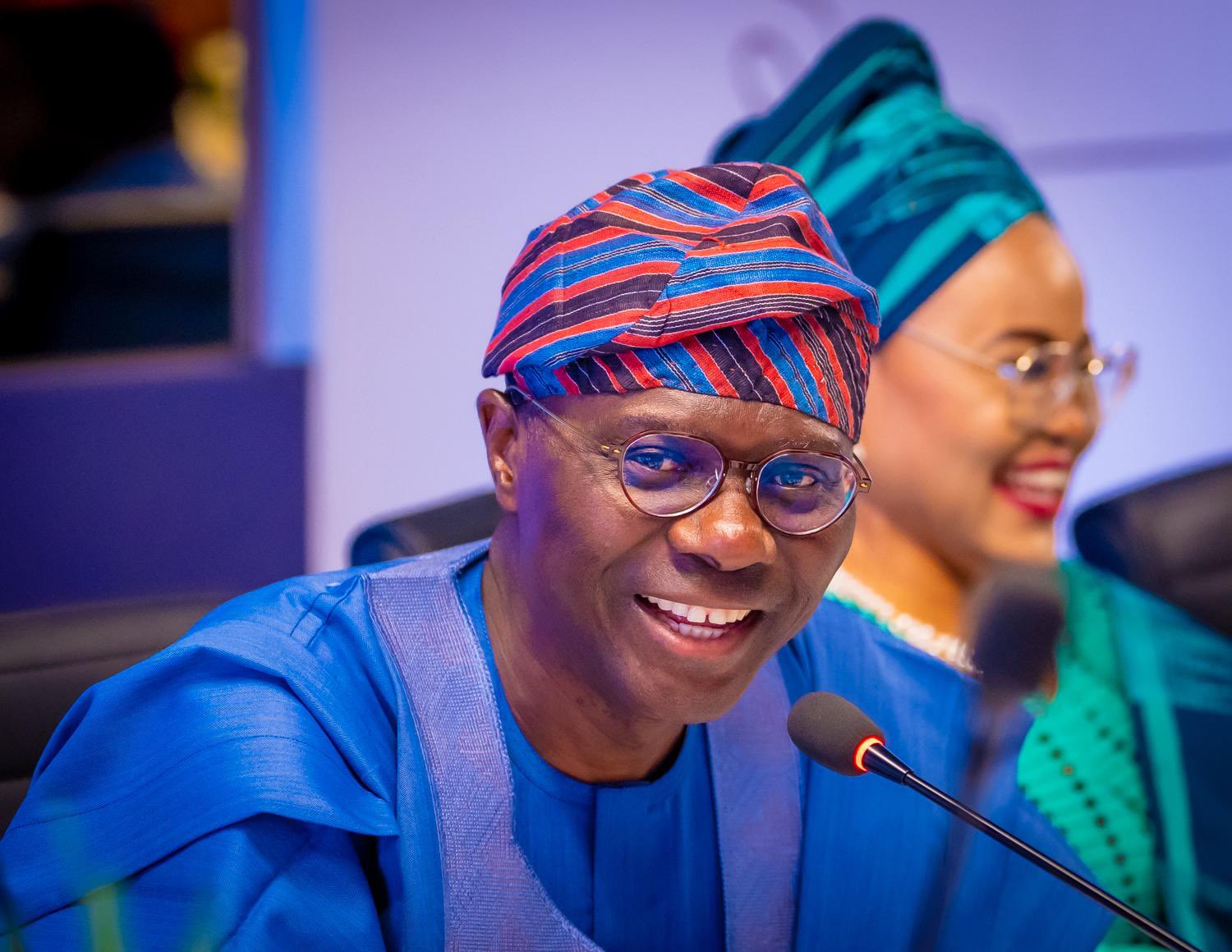
Lagos State Governor, Babajide Sanwo-Olu, has reaffirmed the state’s position as Nigeria’s economic powerhouse, declaring that Lagos is well-positioned to attract greater local and foreign investments while serving as a major driver of national growth and global competitiveness.
Sanwo-Olu made the remarks on Saturday at the maiden edition of the Geo-Economic Optimisation Summit Lagos 2026, organised by the Citadel School of Government in Oregun, Ikeja. The summit, themed “From South-West Nigeria to the Globe: Lagos State as a Geoeconomic Hub,” brought together policymakers, business leaders and development experts to examine Lagos’ growing role in the regional and global economy.
The governor described Lagos as the “salt and light” of Nigeria’s economy, noting that the state contributes approximately one-third of the country’s Gross Domestic Product and has emerged as Africa’s second-largest metropolitan economy, with an output exceeding $259.75 billion on a purchasing-power-parity basis.
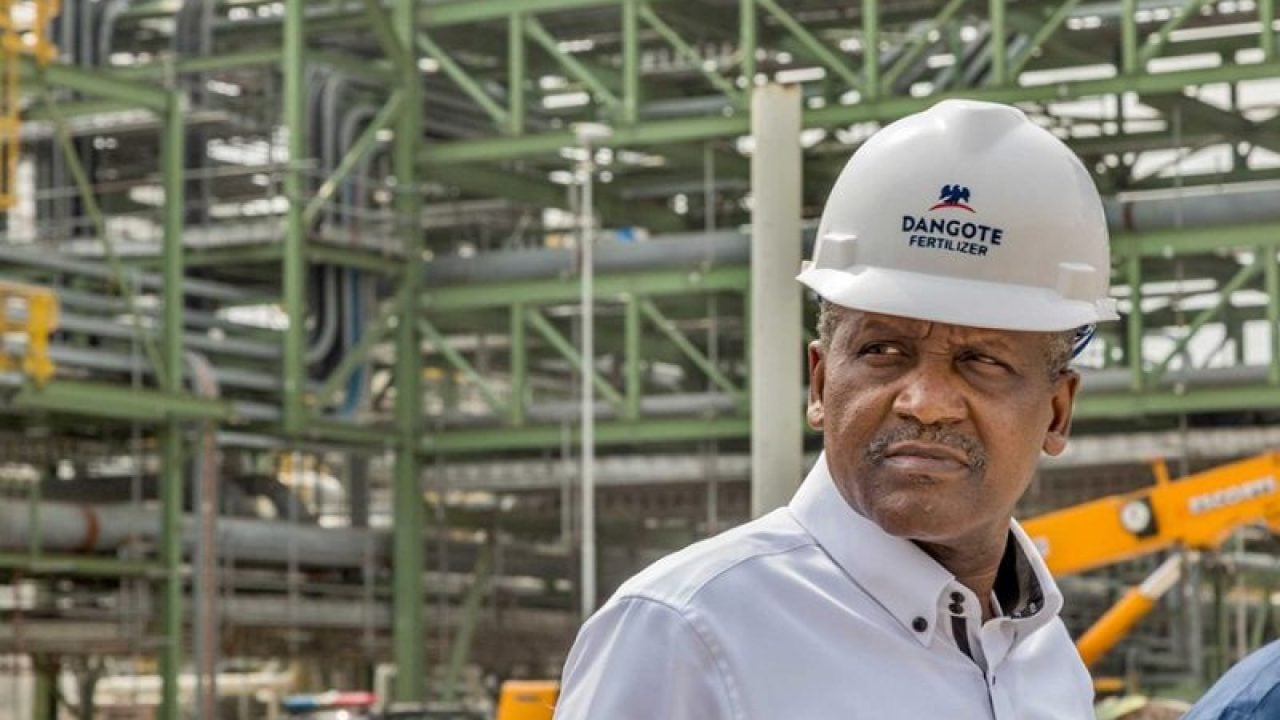
He said Lagos has evolved into a strategic economic centre in West Africa through deliberate investments in critical infrastructure, including the Lekki Deep Sea Port, the Dangote Refinery, expanding rail networks and a thriving technology ecosystem. According to him, these projects have strengthened the state’s competitiveness and enhanced its attractiveness to investors.
Sanwo-Olu stated that Lagos has positioned itself as West Africa’s leading trans-shipment hub through sustained investments in transportation, energy, technology and industrial infrastructure. He highlighted ongoing efforts to improve mobility through the Blue Line and Red Line rail systems, adding that the proposed Green Line and Purple Line rail projects would further expand connectivity across the state.
“Lagos is open, Lagos is ready, and Lagos rewards those who build with us,” the governor said while addressing investors and development partners at the summit.
He also pointed to the state’s newly enacted electricity law, which is designed to create a competitive power market capable of supporting industrial growth and improving energy access. Sanwo-Olu further noted that Lagos hosts the highest concentration of start-ups on the African continent, reinforcing its status as a leading innovation and technology hub.
The governor highlighted the contribution of culture and entertainment to the state’s economy, describing Lagos as the home of Nollywood, the world’s largest film industry by volume. He said the creative sector continues to play a significant role in job creation, tourism and economic diversification.
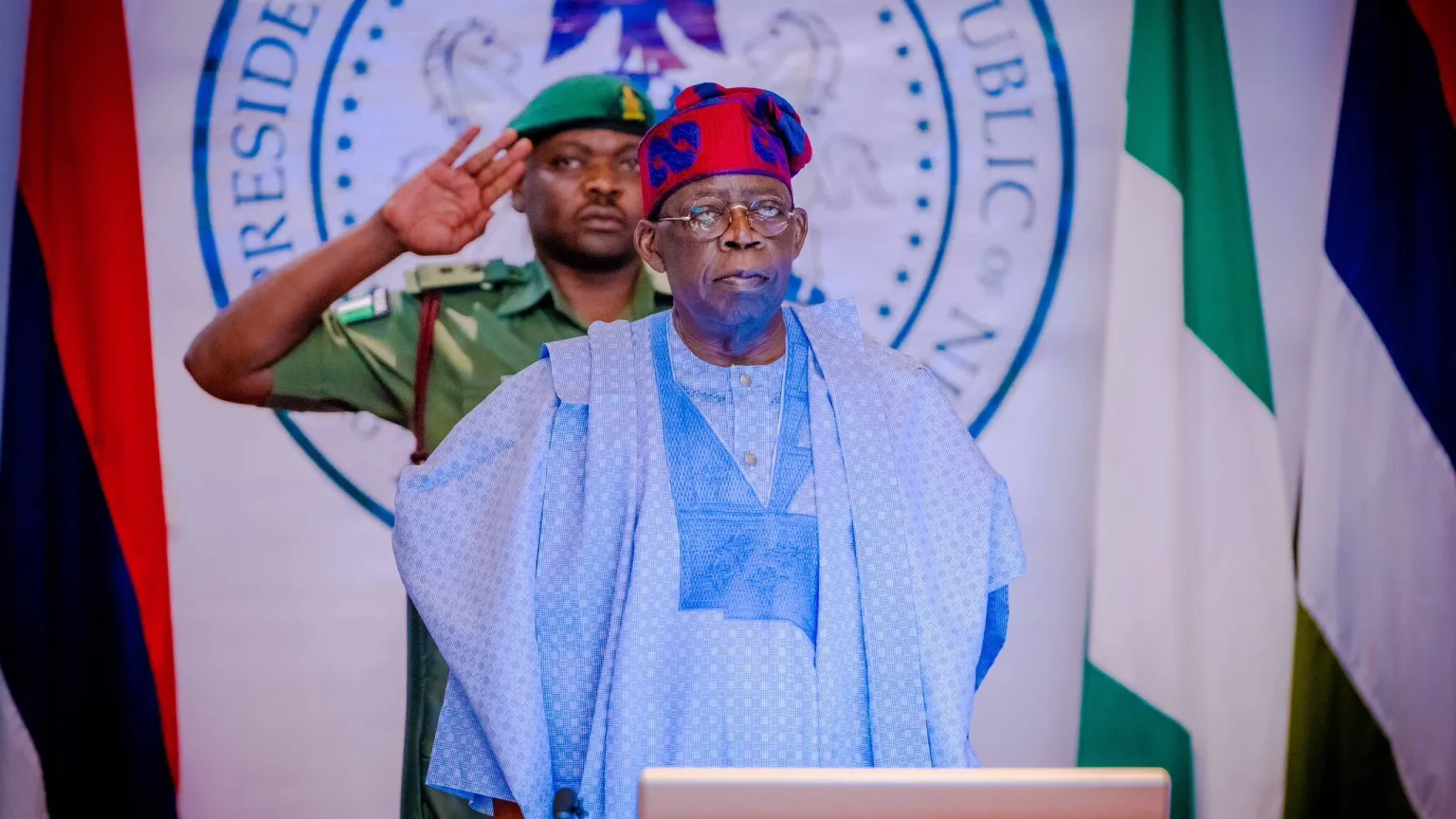
Sanwo-Olu attributed much of Lagos’ economic transformation to the long-term development blueprint initiated during the tenure of President Bola Tinubu as governor of the state, noting that successive administrations had sustained and expanded the vision through institutional continuity and strategic investments.
“Lagos intends to take its rightful place, not at the margins of the global economy, but among its hubs,” he said.
In his keynote address, the founder and Board Chairman of Citadel School of Government, Pastor Tunde Bakare, said Nigeria’s development would depend on effectively aligning its geosocial, geopolitical and geoeconomic realities.
Bakare described Lagos as a compelling example of how strategic planning, continuity in governance and sustained investment can transform a sub-national entity into a globally relevant economic centre.
“Lagos State offers a compelling basis for national reflection and dialogue. Its story is one of ongoing geoeconomic success, demonstrating how strategic vision, institutional continuity, and sustained investment can transform a subnational entity into a globally relevant economic hub,” he said.
He added that Lagos should be viewed as a model for the development of multiple economic growth centres across the country.
“Lagos serves not merely as a success story, but as a proof of concept for the creation of several world-class economic hubs across Nigeria,” Bakare stated.
The Executive Director of Citadel School of Government, Exemoaholo Omoakhalen, said the summit was organised to explore opportunities within Lagos’ geoeconomic landscape and forms part of the institution’s ongoing research programme focused on governance, development and economic transformation.
The summit comes amid increasing efforts by the Lagos State Government to strengthen infrastructure, improve the business environment and attract investments capable of sustaining economic growth in Nigeria’s commercial capital and across the wider South-West region.