The Federal Ministry of Budget and Economic Planning, in collaboration with the World Bank, has commenced the fourth round of training for budget officers from states across Nigeria on integrating nutrition into the national budget cycle.
The programme, delivered under the Accelerating Nutrition Results in Nigeria (ANRiN) Project, has grown from 11 pilot states to a nationwide exercise, moving the country closer to achieving a comprehensive national picture of nutrition financing across ministries, departments, and agencies.
Through nutrition budget tagging, the initiative provides more than expenditure estimates. It identifies financing gaps against the National Multisectoral Plan of Action for Nutrition, generates credible figures for policy dialogue and advocacy, enhances transparency and visibility of nutrition budgets across sectors, enables tracking of allocations and releases over time, helps assess efficiency and equity in resource use, and offers an evidence base for mobilising new resources and improving donor alignment.
The World Bank and the federal government described the workshop as an essential step in embedding nutrition considerations into Nigeria’s budgetary processes, ensuring more effective and accountable financing for human capital development.
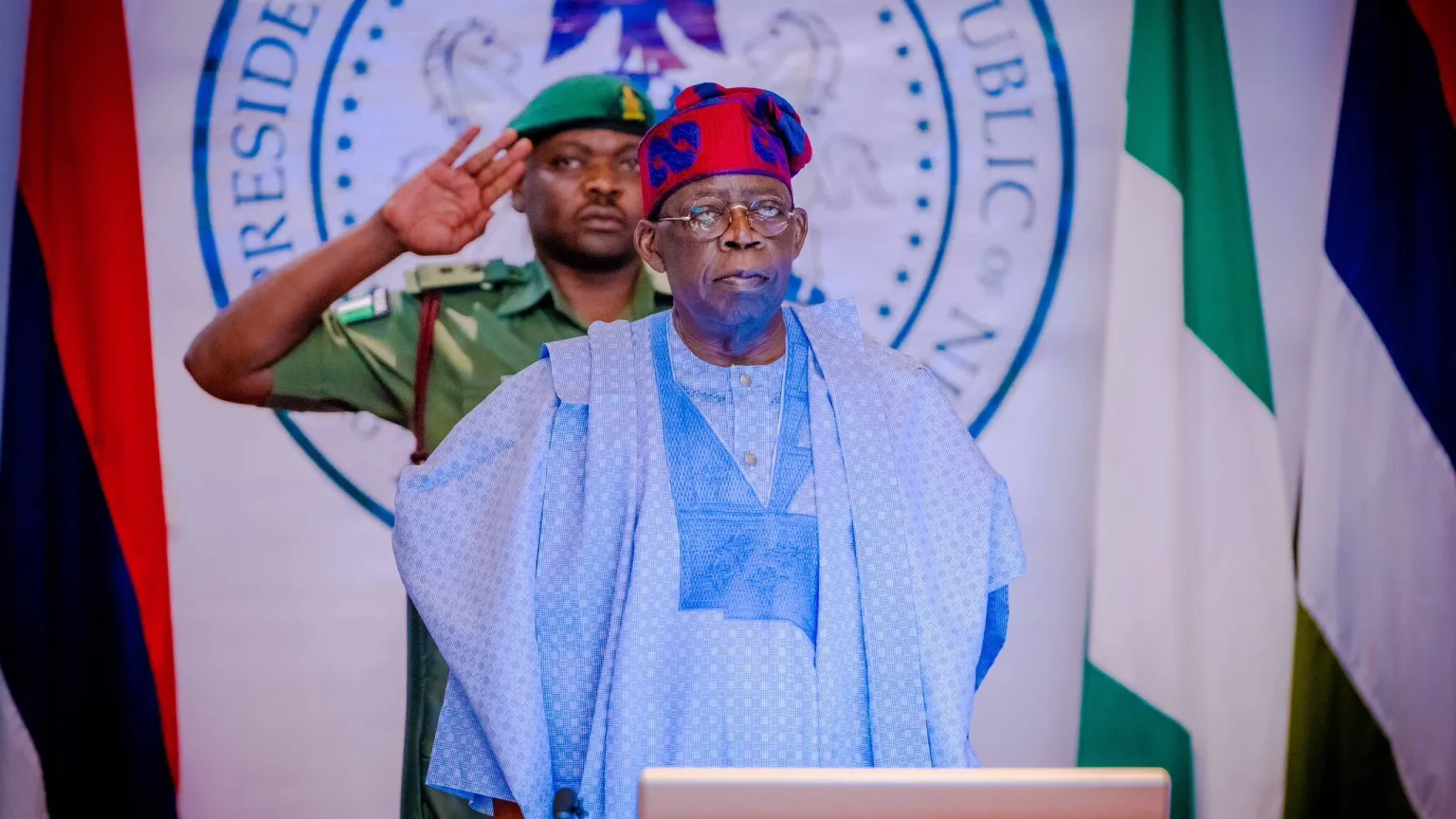
The acting permanent secretary of the Ministry of Budget and Economic Planning, Sampson Ebimaro, stressed the importance of capturing nutrition in Nigeria’s budget framework, describing it as central to building a healthy and productive population. He noted that projections must translate into actual budget releases effectively utilised for food and nutrition-related interventions. “One thing is to project, another is for budget to be what? So, we need to work hard and see that it is adequately followed,” he said.
Ebimaro highlighted the importance of grassroots food education, particularly for rural mothers who may not be literate, recommending the development of pamphlets on local food components and preparation methods. He also suggested translating such materials into local languages to help communities understand how to combine food items for balanced nutrition. “They need to be told that when you add this to this to this, it will give you the real component we need in that food,” he added, warning that efforts must go beyond promoting healthy eating to ensure food translates into economic productivity.
Tagged “Towards a National Picture: Advancing Nutrition Financing through Budget Tagging,” the workshop was attended by representatives of 21 states of the federation.
Speaking at the event, World Bank representative Mrs Susan Adeyemi said budgeting for nutrition must be prioritised as a national initiative, stressing that investing in nutrition is both a moral and economic imperative. “There is a need for expenditure control to achieve the actual purpose of the funds for nutrition. We have to prioritise nutrition. We must follow the processes to achieve allocative and operational efficiency. We are here today to ensure that malnutrition is tackled. If we can reduce stunting by 2025, we can gain,” she said.
The director of the ministry’s Nutrition Department, Clementina Okoro, explained that the training would enable attendees to identify gaps and proffer solutions to malnutrition in their respective states. She disclosed that the federal government would develop a national plan on nutrition financing by the end of the first quarter of next year, while states are expected to begin developing their plans from the second quarter.
Ebimaro lamented the absence of a comprehensive and standardised system for tracking nutrition-related expenditure in government, describing it as a major obstacle to achieving results. He emphasised that workshops such as this would provide valuable insights and innovative ideas to revolutionise implementation approaches and drive progress in nutrition financing and policy execution.