The commencement of direct petrol supplies from the Dangote Petroleum Refinery has triggered sweeping changes in Nigeria’s downstream petroleum sector, unsettling long-standing players and associations that have dominated the value chain for decades.
From depot owners and petrol importers to state refineries and labour unions, the $20 billion refinery is forcing a realignment of power and relevance in an industry long dependent on fuel imports.
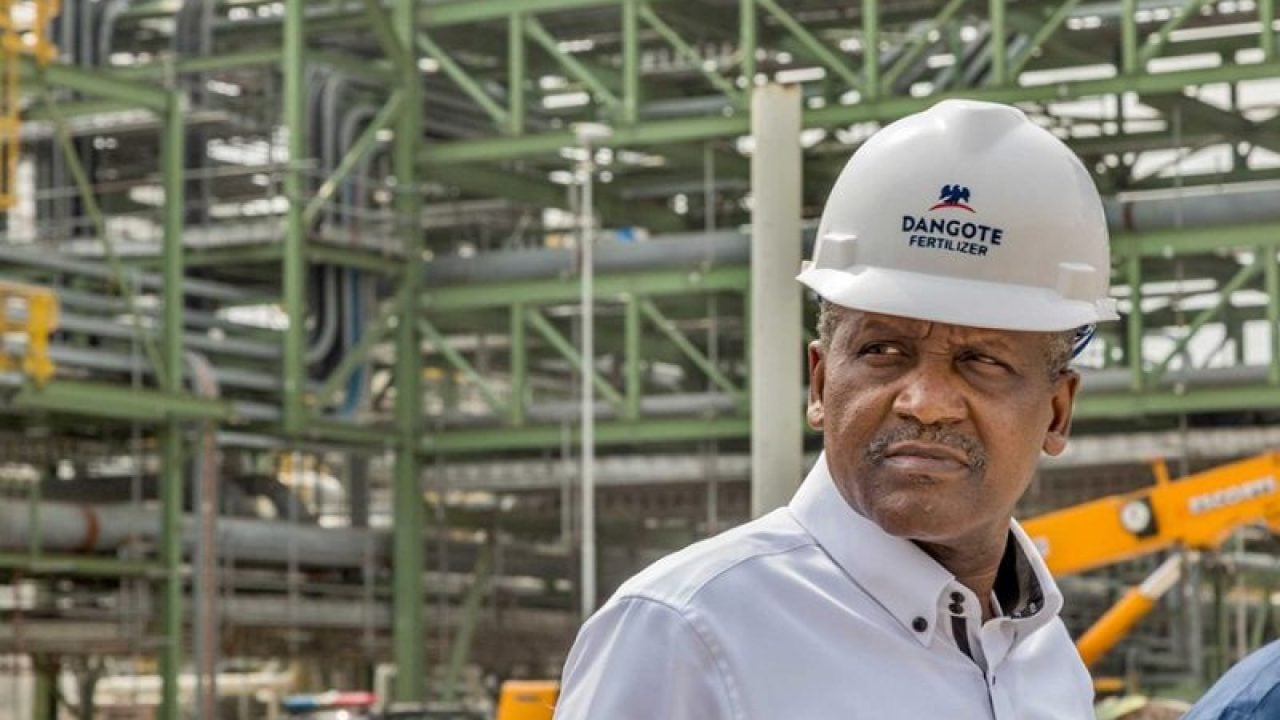
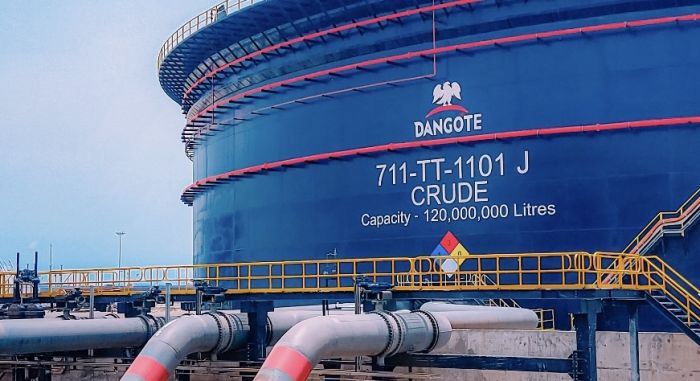
Analysts say Dangote’s decision to bypass traditional supply channels and sell petrol directly to marketers, bulk customers, and international buyers is dismantling the network of intermediaries that thrived during Nigeria’s import-driven years. Built to process 650,000 barrels of crude daily, the refinery has the capacity to meet the country’s entire petrol demand, with surplus volumes destined for export markets in Africa, Europe, and the United States. Aliko Dangote, president of Dangote Industries, described the refinery as a solution to Nigeria’s decades-long fuel shortage, promising cheaper, cleaner, and more reliable supplies.
The refinery’s scale, coupled with its decision to distribute products using a fleet of 4,000 compressed-natural-gas-powered trucks, means fewer middlemen are needed between refinery and retail. Already, several private depots in Lagos and neighbouring states have reported skeletal or zero operations as marketers bypass them to lift petrol directly from Lekki.
Private depot owners, represented by the Depot and Petroleum Products Marketers Association of Nigeria (DAPPMAN), face the risk of stranded assets, having invested billions in jetties, storage tanks, and pipelines during the import-dependent years. A downstream operator said, “These depots were built on the back of Nigeria’s heavy reliance on imported fuel. Now that Dangote is cutting them out of the equation, the revenue streams are drying up.” Industry fears that loans used to finance these assets could become liabilities, triggering debt defaults unless operators find new roles.
The refinery has also disclosed that its dispute with DAPPMAN stems from a demand for an annual subsidy of N1.505 trillion to enable members to match refinery gantry prices at their depots. Dangote management explained that the request was tied to logistics costs, which would add N75 per litre, effectively shifting the cost to either the refinery or consumers. Based on daily consumption of 40 million litres of petrol and 15 million litres of Automotive Gas Oil, the figure amounts to N1.505 trillion annually.
Fuel importers, once central to bridging supply shortfalls through navigation of subsidy regimes and foreign exchange challenges, have been pushed to the margins. With the Nigerian National Petroleum Company scaling back imports and Dangote competing internationally with exports to the United States and West Africa, importers face diminished prospects.
Billy Gillis-Harry, president of the Petroleum Products Retail Outlets Owners Association of Nigeria (PETROAN), cautioned that while the refinery is a national asset, its direct retailing strategy could destabilise the sector. “There is no magic that can make you load 10,000 trucks from a single source,” he said, warning of bottlenecks, delivery delays, and job losses.
Nigeria’s state-owned refineries in Warri, Kaduna, and Port Harcourt also face uncertainty. Despite ongoing rehabilitation efforts, experts doubt they can match the scale or cost-efficiency of Dangote’s facility. An energy economist said government must decide whether to continue funding state refineries or repurpose them.
Third-party tanker operators, long dependent on moving imported fuel from ports to depots and stations, are also under pressure. Some companies have reported cancelled contracts as Dangote shifts to its in-house logistics. “The volumes we used to move have collapsed,” said Adewale Adeboye, a truck owner in Ogun State.
Labour unions are bracing for impact. The Nigeria Union of Petroleum and Natural Gas Workers (NUPENG) recently clashed with Dangote over the hiring of drivers for the CNG fleet, accusing the company of undermining collective bargaining rights. Dangote countered that the trucks would create 24,000 jobs and promised housing loan schemes for drivers, noting, “Our drivers earn more than graduates. If you look at what they earn a month, it’s almost four times the minimum wage.” At N70,000 per month minimum wage, Dangote drivers would be earning between N210,000 and N280,000.
Other associations have also expressed concern. Benneth Korie, president of the Natural Oil & Gas Suppliers Association of Nigeria, warned of job losses across the value chain, while Yusuf Othman, president of the Nigerian Association of Road Transport Owners, rejected the refinery’s distribution approach, saying it threatened the livelihoods of operators who collectively manage more than 30,000 trucks nationwide. Othman stressed that their operations sustain millions of dependents and are backed by heavy financial commitments.
With Dangote’s refinery now setting the benchmark for fuel supply in Nigeria, stakeholders across depots, logistics, imports, and labour face a new reality in the country’s downstream petroleum landscape.