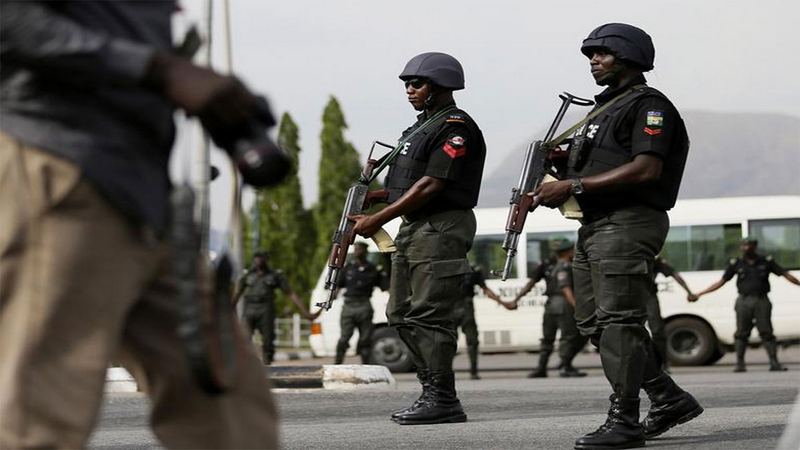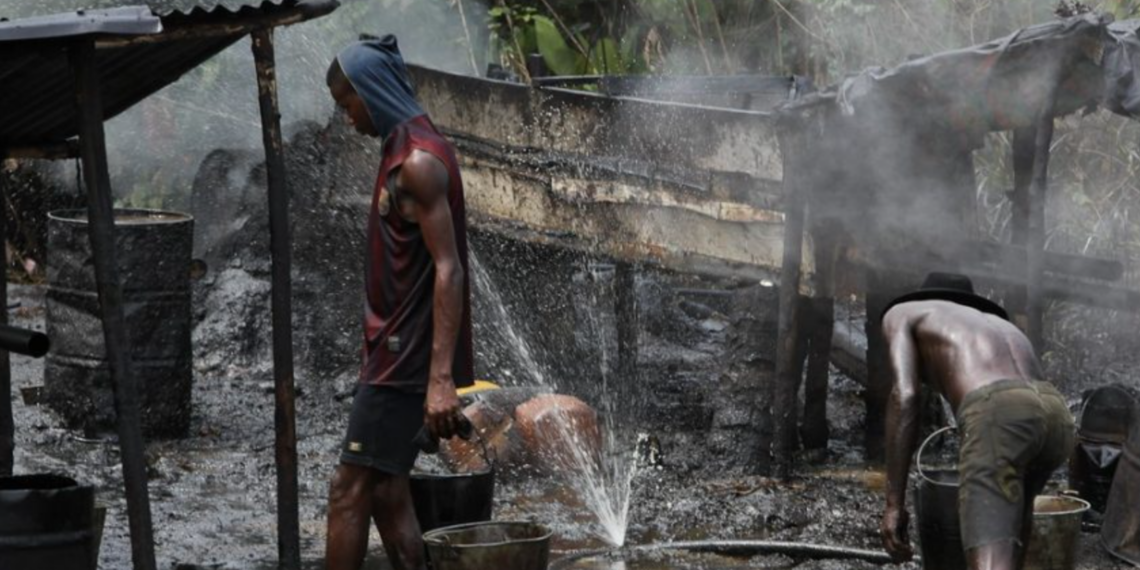
The Nigerian Navy’s two-year crackdown on oil theft has produced staggering numbers—800 illegal refineries dismantled, 171,000 barrels of stolen crude recovered, and hundreds of arrests made.
Yet behind these impressive statistics lies a more troubling reality: Nigeria continues to lose an estimated 400,000 barrels per day to thieves, exposing the deep-rooted complexities of a crisis that military might alone cannot solve.
This enforcement blitz, spanning the creeks of Delta, Bayelsa, and Rivers states, reveals the cat-and-mouse nature of Nigeria’s oil theft epidemic. Each destroyed refinery quickly reappears like hydra heads, often within days and sometimes more sophisticated than their predecessors. The navy’s helicopter raids and swamp patrols have forced thieves to adapt—shifting operations deeper into mangrove forests, using underwater pipelines, and even deploying lookouts with encrypted communication.
The human cost of this battle emerges in stark relief. In communities like Bille and Okrika, where illegal refining provides precarious livelihoods, military operations have left thousands of young men jobless without alternatives. “They destroy our cookers but bring no jobs,” lamented one former operator now struggling to feed his family. Environmental devastation compounds the crisis—UNEP estimates cleanup of contaminated farmlands and fishing waters could take 30 years.
Experts argue the navy’s kinetic approach, while necessary, treats symptoms rather than causes. “You can’t arrest poverty,” noted energy analyst Ifeanyi Onuoha. “Until modular refineries become reality and communities see benefits from oil, this war will never end.” Recent moves by the Tinubu administration to legalize artisanal refining suggest recognition of this reality, but implementation remains mired in bureaucracy.
As the navy prepares new drones and satellite monitoring systems, the fundamental question persists: Can bullets and technology prevail where governance and economic inclusion have failed? The 171,000 recovered barrels represent a victory, but stacked against Nigeria’s annual $3 billion in oil theft losses, they also measure how far the nation must still go to secure its black gold.