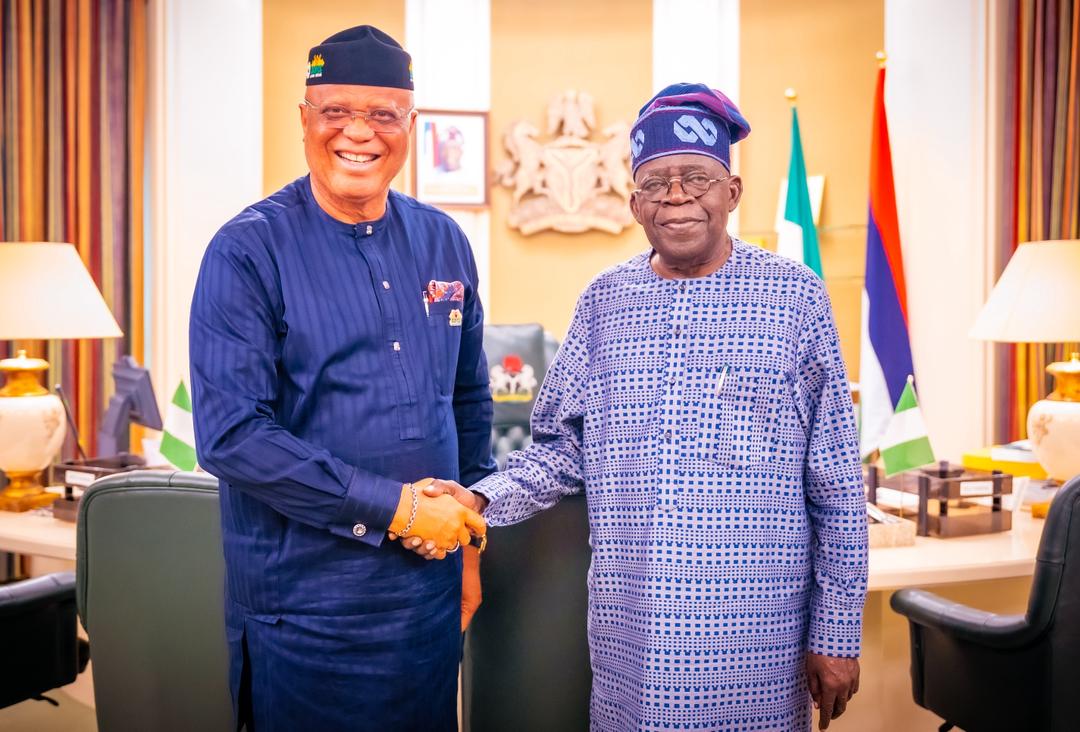
President Bola Tinubu’s legendary political instincts face their toughest test yet as his administration struggles to convert strategic maneuvering into tangible improvements for ordinary Nigerians.
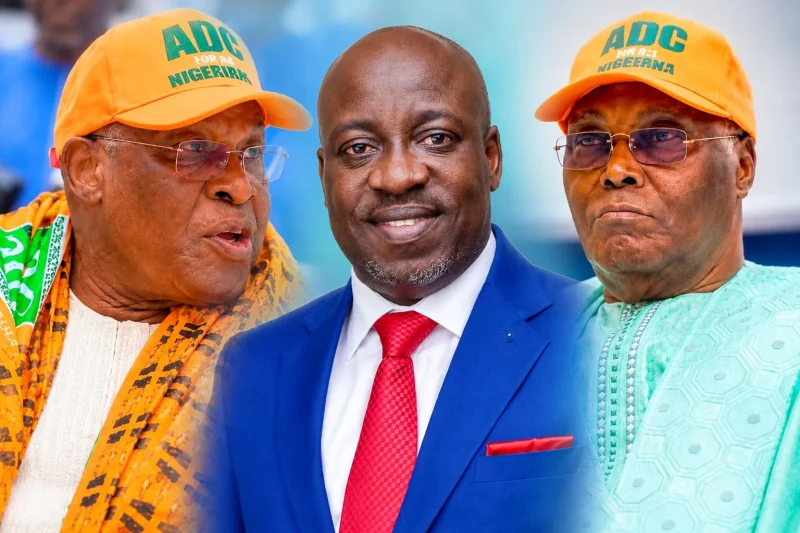
Former presidential candidate Adebayo Adewole’s recent critique – that Tinubu excels in politics but fails in governance – captures the growing national frustration among citizens who see little connection between high-level political calculations and their daily struggles to survive.
The contradiction between political mastery and governance shortcomings becomes more glaring each day. While Tinubu consolidates power with the skill of a grandmaster – outflanking rivals in the APC, neutralizing opposition threats, and carefully balancing regional interests – millions of Nigerians watch prices of basic goods soar beyond reach. The president’s signature policies, from fuel subsidy removal to foreign exchange reforms, were launched with bold promises of long-term benefits but have yielded immediate pain with delayed rewards. Market surveys now show 68% of families eating significantly less than they did a year ago, while the government’s own data reveals inflation has hit a 28-year high of 33.2%.
What makes this governance gap particularly striking is how it contrasts with Tinubu’s reputation as the architect of modern Lagos. Where the former governor once demonstrated an ability to translate political vision into concrete development, his presidency has so far produced more turbulence than transformation. Security deteriorates despite increased defense spending, with kidnapping cases rising 32% in the past quarter alone. Policy reversals on electricity tariffs and tax measures reveal an administration that sometimes appears to be governing by trial and error.
The opposition, however, has failed to capitalize on this discontent. Rather than presenting a compelling alternative, political rivals remain fragmented and reactive – quick to criticize but slow to articulate coherent policies. This vacuum leaves many Nigerians feeling trapped between an underperforming government and an ineffective opposition. As civil servant Tunde Oshodi puts it: “They’re all playing politics while we’re playing survival.”
With three years remaining until the next election, Tinubu faces a race against time to prove his political genius can deliver more than just electoral victories. The administration’s recent push for visible infrastructure projects like the Lagos-Calabar Highway suggests recognition of this urgency. But for market women like Funke Alabi, who now skips meals to feed her children, patience is wearing thin. “We don’t eat political strategies,” she says, voicing a sentiment that could define Tinubu’s legacy – and Nigeria’s future.
The fundamental question remains: In a country where political survival and effective governance have rarely gone hand-in-hand, can Tinubu rewrite the rules? Or will his presidency be remembered as another case of brilliant politics that never quite translated into better lives for the people? As economic pressures mount and 2027 draws closer, Nigerians are watching – and waiting – for answers.