Nigeria’s Minister of Foreign Affairs, Yusuf Tuggar, has called for urgent reforms in the global system, arguing that international frameworks are increasingly failing to meet the needs of developing nations, particularly in Africa.
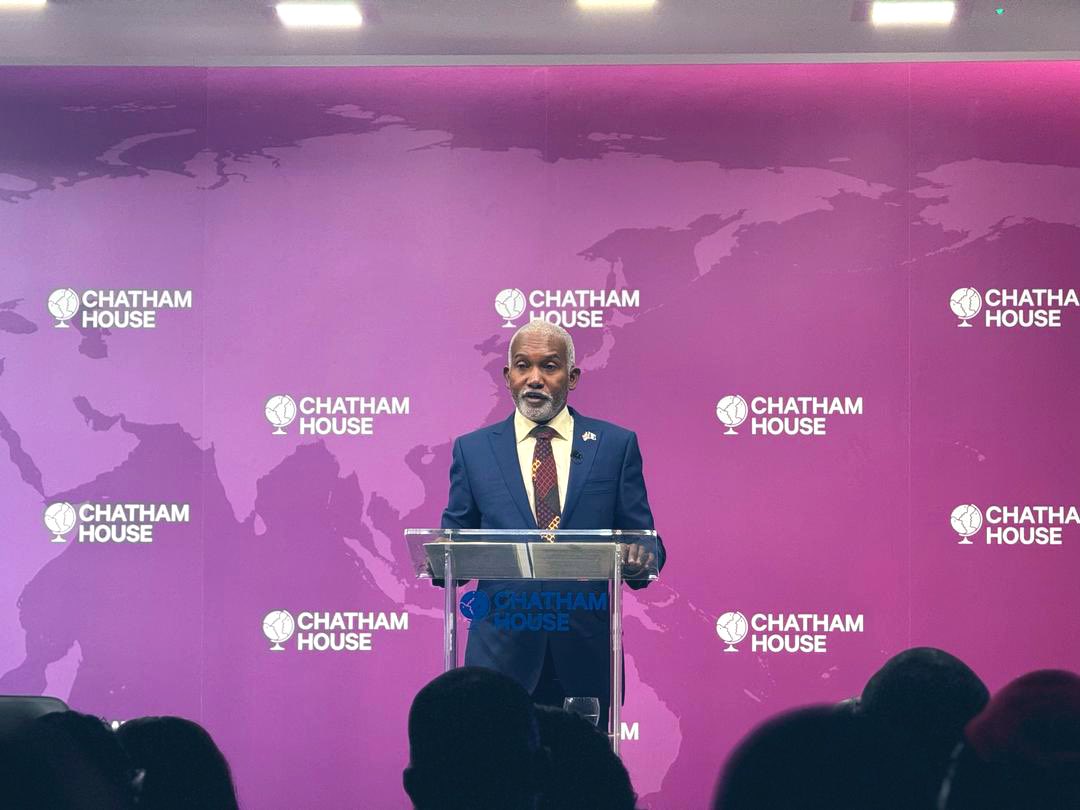
Speaking at Chatham House on Tuesday on ‘Nigeria’s Evolving Foreign Policy and Global Aspirations,’ Tuggar highlighted the inability of multilateral institutions to address pressing issues such as conflicts in Sudan, eastern Congo, and the Sahel.
“The UN is barely able to manage humanitarian support, still less, solutions to end the fighting or prevent the next conflict,” he noted, questioning the effectiveness of the rules-based international order.
He also criticised the inequitable global response to the COVID-19 pandemic, pointing out that access to vaccines and resources was skewed in favor of wealthier nations.
“Memories may fade, but the response to the COVID-19 pandemic showed that some partners were very much more equal than others,” he said, underscoring the systemic inequalities within global governance.
Tuggar further called for reforms in global financial structures, highlighting the challenges posed by Basel IV regulations and the unequal access to markets, capital, and technology that hinder Africa’s economic growth.
“We know the playing field is not level. And we know the limits of partnership,” he remarked, stressing how existing systems prioritize the interests of powerful nations over those of the developing world.
He concluded by urging world leaders to adapt international systems and institutions to better reflect current global realities.
“Nigeria has been arguing that we have to adapt systems, agencies, and rules if we are to stay true to the values and principles that underpinned those systems so successfully for so long. We now need to find new ways to make them relevant to a complex and changing world,” he said.