
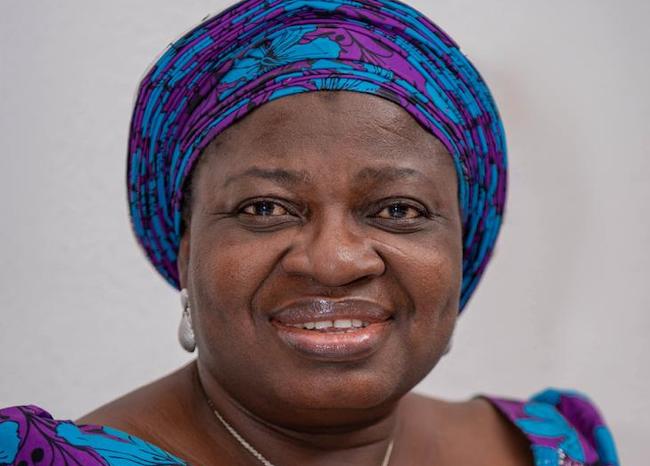
Civil society groups and rights activists have strongly criticized the decision of the Accountant General of the Federation (AGF) and commissioners of finance from all 36 states to hold a workshop in the United Kingdom amidst Nigeria’s economic challenges.
The workshop, focusing on Public Financial Management and International Public Sector Accounting Standards (IPSAS), drew ire for its timing and location, with participants gathering in London from March 4 to March 9, 2024.
Critics argue that the workshop, held at the Copthorne Tara Hotel in Kensington, London, was tone-deaf to the economic woes facing Nigeria. They point to the persistent foreign exchange crisis, high inflation, and food shortages, which have exacerbated the challenges faced by businesses and citizens alike.
The decision to host the workshop abroad was met with strong condemnation, particularly as President Bola Tinubu had recently advocated for cost-cutting measures. Critics argue that such workshops could have been conducted locally to save costs, especially considering the current economic climate.
Rights groups, including the International Society for Social Justice and Human Rights, lambasted the AGF and commissioners for what they termed financial recklessness. They emphasized the need for public servants to be sensitive to the economic situation and prioritize prudent spending of government resources.
While the Office of the AGF defended the workshop, citing its annual nature and the residency of facilitators in the UK, critics remained unconvinced. They argued that in an increasingly digital world, virtual training could have been a more cost-effective option, reducing the strain on scarce foreign exchange reserves.
Economists also weighed in, expressing concerns over the misuse of forex and advocating for measures to improve the value of the naira. They emphasized the need for government agencies to prioritize capital expenditure over recurrent spending to achieve economic stability.
In summary, the decision to hold a workshop in the UK amid Nigeria’s economic downturn has sparked widespread condemnation from civil society groups, activists, and economists alike. Critics argue that such actions undermine efforts to address the country’s economic challenges and call for greater accountability and prudence in government spending.

