
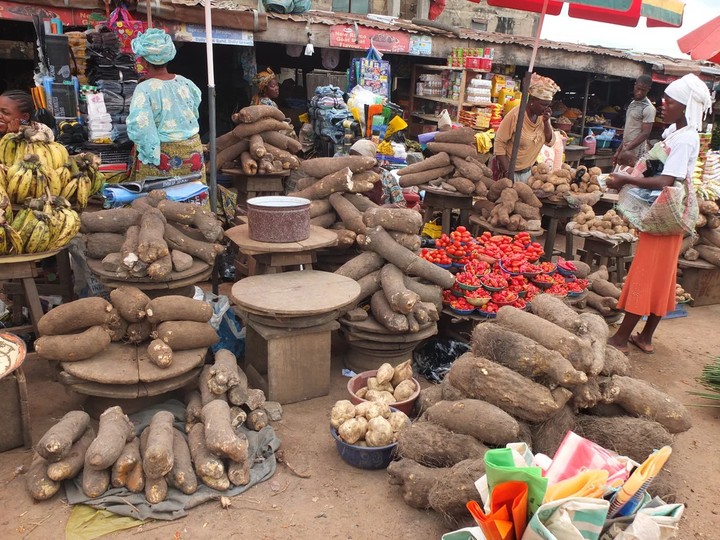
In response to escalating economic challenges and concerns over food shortages, several government agencies in Nigeria have intensified efforts to curb smuggling and hoarding of food items nationwide.
The Nigeria Customs Service, Nigeria Immigration Service, Department of State Services, and the Economic and Financial Crimes Commission have joined forces to bolster border surveillance, particularly in border regions identified as “dark spots.”
The heightened vigilance follows a two-day protest declared by Organised Labour against the prevailing economic difficulties in the country. President Bola Tinubu, reacting to reports of widespread food hoarding in Kano State, directed key security agencies to coordinate closely and take decisive action against perpetrators.
Tinubu emphasized the need for security agencies to inspect warehouses suspected of hoarding food items and ensure accountability.
Despite Nigeria’s significant agricultural production, violence in key regions has disrupted food supplies, exacerbating the plight of millions living in extreme poverty. In response, security agencies have uncovered sophisticated smuggling operations, including round-tripping schemes that exploit cross-border trade routes. These operations involve the illegal movement of grains, often using foreign currencies, to inflate prices and generate profits for smuggling cartels.
The government’s crackdown on food hoarding extends to uncovering large-scale warehouses containing stockpiled food items, allegedly maintained by major companies under the guise of manufacturing feed and other products.
Security agencies have reported significant seizures and arrests in states such as Kano, Borno, and Katsina, targeting individuals and organizations involved in illicit trading activities.
Meanwhile, the Federal Government has pushed back against the planned nationwide protest by Organised Labour, citing concerns over the potential disruption to industrial activities. Labour leaders have decried the government’s failure to address the adverse socio-economic impacts of recent policy decisions, including the removal of fuel subsidies and currency devaluation. They have called for urgent action to alleviate the suffering of millions facing hunger and insecurity.
As tensions mount between Labour and the government, Nigeria grapples with deepening economic challenges and widespread discontent. The success of the government’s crackdown on food smuggling and its response to Labour’s demands will likely shape the country’s socio-political landscape in the coming weeks.

