
The Federal Government’s newly inaugurated Ministerial Advisory Committee (MAC) on economic reforms has been urged to focus on improving transparency, tackling inflation, strengthening the naira, reducing poverty and addressing insecurity as it reviews the impact of the Tinubu administration’s economic policies.
The committee, inaugurated on July 14, 2026, by the Minister of Finance and Coordinating Minister of the Economy, Taiwo Oyedele, was established to provide independent, evidence-based assessments of the government’s economic reforms and offer recommendations aimed at improving policy outcomes.
Chaired by the Managing Director and Chief Executive Officer of Sterling Bank, Abubakar Suleiman, the committee comprises economists, financial experts, bureaucrats and other technocrats. At its inauguration, Oyedele challenged members to question prevailing assumptions rather than merely endorse government policies, stressing the need for objective, data-driven advice that would translate economic reforms into improved living standards for Nigerians.
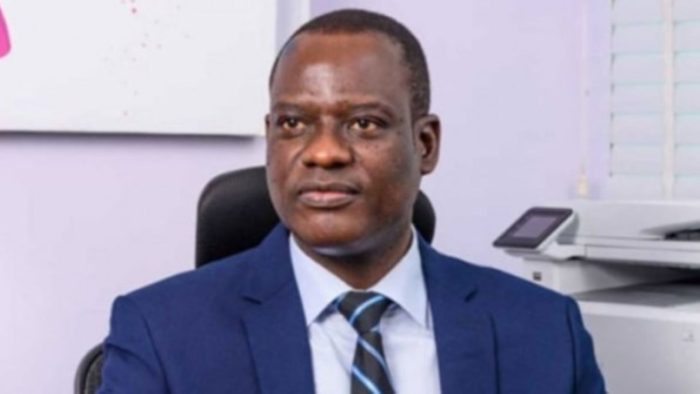
An economist and former Chief Economist of Zenith Bank Plc, Obiora Okeke, has outlined five priority areas he believes should guide the committee’s work as it evaluates the administration’s reform agenda.
According to him, the first issue requiring urgent attention is greater transparency in the implementation of the fuel subsidy removal policy. While acknowledging that the debate over whether the subsidy should have been removed has largely been settled, he argued that Nigerians deserve a clear account of how much has been saved since the policy took effect and how those funds have been utilised.
He noted that previous administrations established intervention frameworks such as the Petroleum Trust Fund (PTF) and the Subsidy Reinvestment and Empowerment Programme (SURE-P) to channel savings from fuel subsidy reductions into development projects, adding that similar transparency and accountability should guide current reforms.
Okeke also called on the committee to examine the consequences of subsidy removal, particularly the sharp rise in petrol prices, transportation costs, food prices and rents, which contributed to record inflation and declining purchasing power for many Nigerians.
He argued that the government should create a more enabling environment for private refiners while reconsidering continued investment in state-owned refineries that have remained largely unproductive despite years of rehabilitation spending. He further suggested that Nigeria should gradually phase out dependence on imported petroleum products and focus on becoming a net exporter of refined fuel.
On exchange rate policy, the economist urged the committee to review the implementation of the naira float and strengthen transparency in the foreign exchange market. While acknowledging recent improvements in the value of the naira, he maintained that a managed exchange rate regime could have reduced the scale of depreciation experienced after the policy was introduced.
He also recommended that increased foreign exchange earnings from higher crude oil production and favourable international oil prices should be channelled into strategic reserves such as the Excess Crude Account or the Sovereign Wealth Fund to strengthen the country’s fiscal position.
The memorandum further identified rising poverty and unemployment as major concerns requiring immediate policy attention. Okeke called for measures to improve the business environment, remove bureaucratic bottlenecks, attract investment into the real sector and discourage the exit of long-established businesses from Nigeria.
He warned that although some reforms may have delivered macroeconomic gains, many Nigerians have experienced declining living standards, making inclusive economic growth a critical priority.
The fifth recommendation centred on insecurity, which the economist described as fundamental to economic development. He argued that sustainable growth, investment and business confidence depend on the protection of lives and property, urging the committee to recognise security as an essential component of economic reform.
Okeke also cautioned against allowing political activities ahead of the 2027 general elections to overshadow governance, urging the advisory committee to work with urgency in providing practical recommendations capable of strengthening Nigeria’s economic recovery.

