
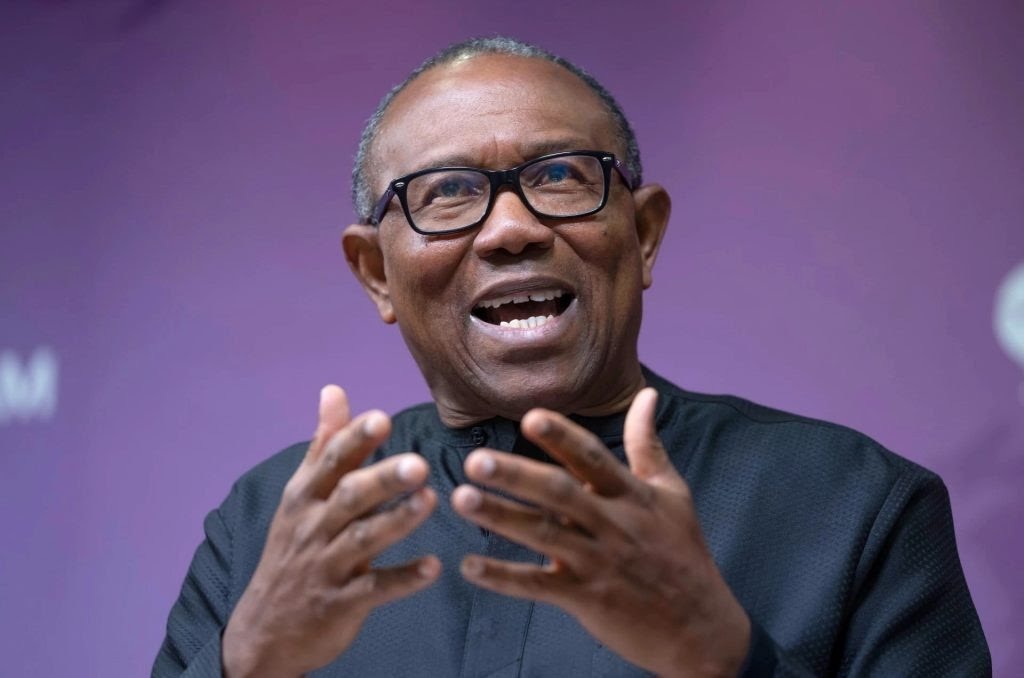
Labour Party’s 2023 presidential candidate and current Nigeria Democratic Congress (NDC) presidential hopeful, Peter Obi, has said any individual or group determined to threaten Nigeria’s peace and stability would face decisive action if he becomes president.
Obi made the declaration on Tuesday during an interview on the Nevon HQ podcast hosted by broadcaster and media personality, Rufai Oseni, where he outlined his approach to tackling the country’s security challenges.
Speaking on how his administration would address insecurity across various regions of the country, the former Anambra State governor said his government would adopt a combination of dialogue and firmness, depending on the disposition of those involved.
According to Obi, individuals and groups willing to embrace peace, national unity and constructive engagement would be given the opportunity for dialogue and negotiation. However, he stressed that those committed to violence and destabilisation would be confronted through lawful and decisive measures.
“I’m going to talk with everybody. In uniting the country, anybody who wants peace, I will talk and negotiate with them. But anybody who wants war, we will go to war.
“If you want to be part of this New Nigeria we are trying to build, that is possible, we can be together, but if not, you will face the consequence of your action.”
Obi argued that sustainable peace can only be achieved when citizens feel included in governance and have confidence in public institutions. He maintained that many of Nigeria’s security and social challenges stem from exclusion, poor governance and unresolved grievances among various communities.
The former governor said his vision for the country is anchored on inclusiveness, fairness and equal opportunities for all Nigerians, regardless of ethnicity, religion or region.
“We have got to a point where we have to tell ourselves the truth. Nobody will be left behind. There will be inclusiveness. We will show love and care for everybody,” Obi said.
The remarks align with Obi’s longstanding position that insecurity cannot be resolved through military operations alone. He has consistently advocated a broader strategy that combines security enforcement with good governance, economic empowerment, job creation and the delivery of justice.
Nigeria continues to grapple with multiple security challenges, including banditry, kidnapping, insurgency, communal conflicts and separatist agitations in different parts of the country. Security experts have repeatedly argued that addressing the root causes of these threats, alongside strengthening law enforcement and intelligence gathering, remains critical to achieving lasting peace and stability.
As political activities ahead of the next electoral cycle gradually gather momentum, security, economic recovery and national unity are expected to remain central issues in discussions on the country’s future leadership and development.

