
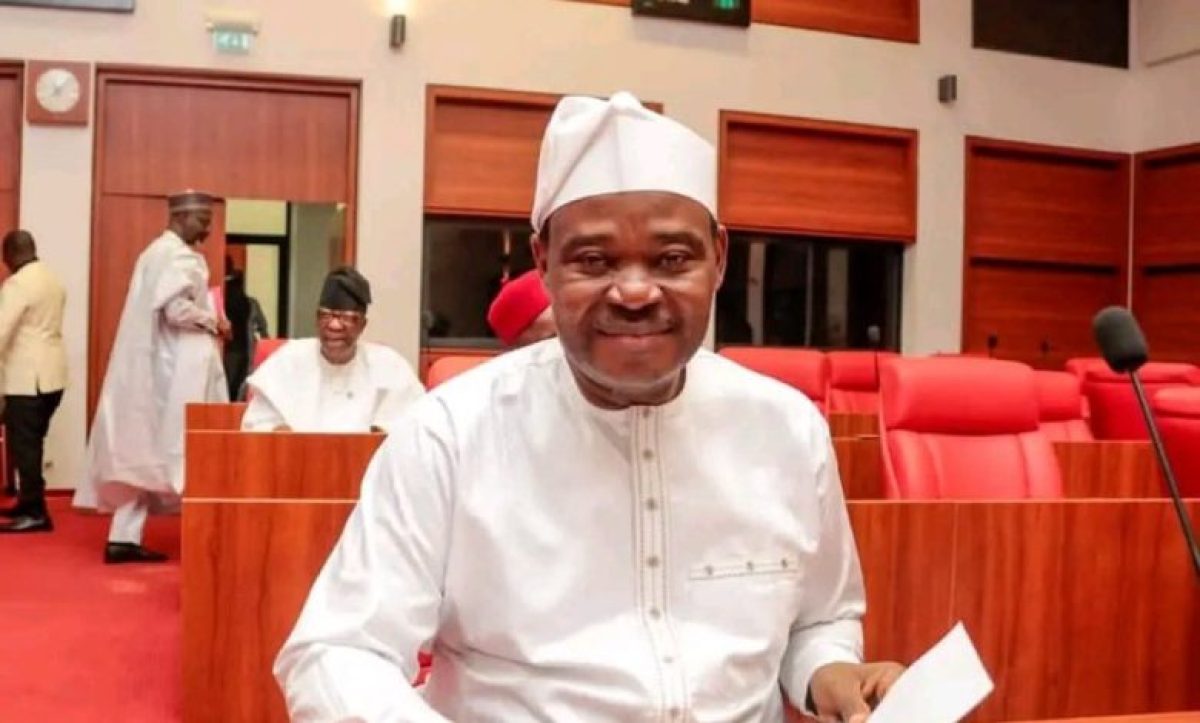
Nigeria’s Permanent Representative to the United Nations, Jimoh Ibrahim, has been elected Chairman of the Fifth Committee of the United Nations General Assembly, one of the organisation’s most influential bodies responsible for administrative and budgetary affairs.
His election places a Nigerian diplomat at the helm of a committee that plays a critical role in overseeing the financial and administrative operations of the United Nations, including the allocation of resources needed to implement programmes and execute mandates across the globe.
In his acceptance speech following the election, Ibrahim described the position as both a privilege and a significant responsibility, pledging to guide the committee through a period characterised by financial pressures, institutional reforms and increasingly complex global challenges.
Addressing delegates after his emergence, he expressed appreciation to member states for the confidence reposed in him and promised to work closely with regional groups, committee officers and the UN Secretariat to ensure the efficient management of the committee’s activities.
His election comes at a time when the United Nations is facing mounting financial pressures and growing demands on its resources. The organisation has continued to grapple with funding challenges, with delayed contributions from member states contributing to significant budgetary constraints.
Acknowledging these challenges, Ibrahim urged member states to meet their financial obligations promptly, stressing that the effectiveness and sustainability of the United Nations depend on predictable and adequate funding.
“The challenges before us require collective responsibility and decisive action,” he said.
He noted that prudent management of resources would be essential to maintaining the organisation’s ability to respond to global needs and deliver on its mandates.
The Nigerian diplomat also underscored the significance of the ongoing reform efforts within the United Nations, describing them as an opportunity to improve efficiency, strengthen accountability and enhance institutional effectiveness across the organisation.
He further pledged to promote cooperation among the UN’s 193 member states and ensure that diverse views and interests are reflected in the committee’s deliberations and decision-making processes.
The Fifth Committee is regarded as one of the most important committees of the United Nations General Assembly because of its responsibility for budgetary and administrative matters. Its decisions directly influence the operations of the United Nations and its agencies, making its leadership crucial to the organisation’s capacity to address global challenges.
Ibrahim’s election is expected to strengthen Nigeria’s visibility within the multilateral system and further reinforce the country’s longstanding engagement in international diplomacy and global governance.

