
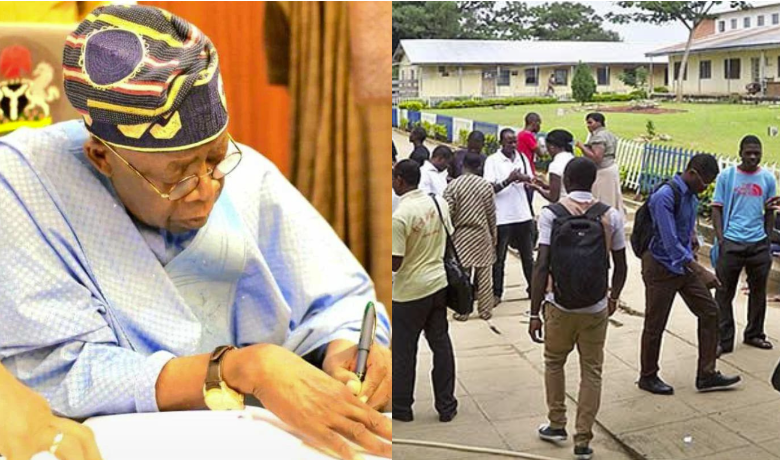
Nigerian students studying in Russia under the Federal Government’s Bilateral Education Agreement have raised concerns over prolonged delays in the payment of their allowances, saying they have been abandoned and left stranded.
The affected students said they have received no financial support from home despite being sent abroad through an official government scholarship programme.
Under the arrangement, the Russian government provides tuition, while the Nigerian government is responsible for monthly stipends meant to cover feeding, accommodation and other living expenses. According to the students, those payments stopped shortly after they arrived.
“We are Medical and Engineering students from Nigeria sent to study in Russia by the Nigerian government under the bilateral education agreement with Russia. But the Nigerian govt left us stranded since we got here. We’re now forced to do menial jobs to survive.”
Several students said the hardship has pushed many into difficult living conditions, with some taking low-paying jobs to meet basic needs.
Others said they now depend on support from fellow students or sympathetic locals, while some admitted they can no longer concentrate fully on their academic work because of the financial pressure.
Beneficiaries of the programme were initially receiving about $500 monthly. However, in 2024, the allowance was reportedly reduced to around $220 due to economic pressures in Nigeria. Even after the reduction, the payments were said to have remained irregular.
The development has raised concern among parents and guardians in Nigeria, many of whom fear their children may be forced to abandon their studies if the issue is not urgently resolved.
Some families have called on the Federal Government to immediately release the outstanding funds and address the welfare of students already enrolled under the scheme.
Critics have also questioned the government’s commitment to citizens studying abroad, arguing that sending students overseas without sustaining support systems reflects poor planning and neglect.
There is also uncertainty surrounding the future of the programme. While reports indicated that the Bilateral Education Agreement scheme was discontinued for new applicants in April 2025, provisions were still made in the 2026 budget for about 300 new scholarships.
This has drawn criticism, as more than 1,600 existing students across several countries are reportedly still affected by unpaid allowances.
Education stakeholders have urged the government to prioritise students already on the programme before admitting new beneficiaries, warning that continued delays could damage Nigeria’s reputation in international education partnerships.
For now, the affected students say they feel forgotten and are appealing for urgent intervention before their academic ambitions are disrupted.

