
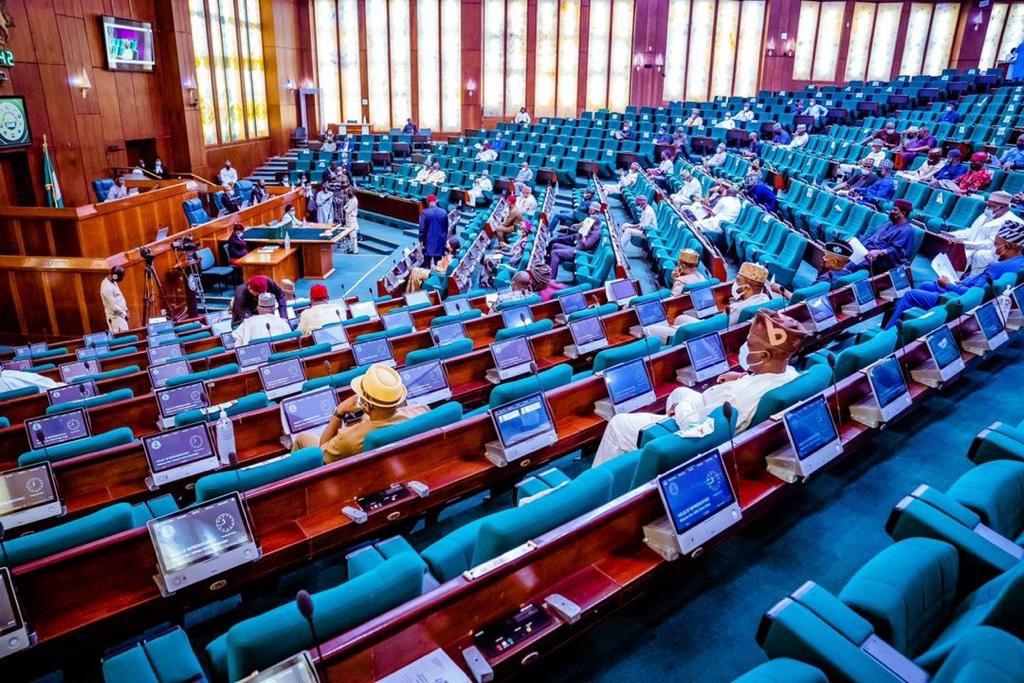
The Cross River State House of Assembly has passed the Open Defecation Prohibition Bill as part of efforts to strengthen sanitation standards and safeguard public health across the state.
The legislation is designed to enhance sanitation and improve public health by banning open defecation in public places while promoting the use of proper toilet facilities throughout the state.
Lawmakers approved the bill after deliberating on the report of the House Committee on Water Resources and Sanitation, presented by its chairman, Kingsley Ntui, who represents the Etung State Constituency.
In presenting the report, Ntui noted that an estimated 47 million people practice open defecation in Nigeria, warning that the practice carries serious health implications.
He said the consequences include the spread of water-borne diseases such as Cholera, Diarrhoea, and Typhoid.
The lawmaker commended the state government for its efforts to eliminate open defecation and urged fellow legislators to support similar initiatives in their respective constituencies.
“The state government, with support from organisations like UNICEF and Self Help Africa, has made efforts to address this issue. Eight local government areas have been declared open-defecation-free.
“The key challenges towards this ODF status remain a lack of sanitation infrastructure, limited access to clean water, poverty, and awareness. To overcome these challenges, we must support this initiative by investing in this direction,” he stated on Wednesday.
During deliberations, lawmakers in their separate contributions noted that the bill aligns with both national and international initiatives aimed at eradicating open defecation.
They stressed that the legislation would contribute significantly to improving environmental cleanliness and the overall well-being of citizens in the state.
The Speaker of the House, Elvert Ayambem, commended the committee for its work on the bill and expressed satisfaction with its passage.
He said the new law would help create a cleaner and healthier environment while reaffirming the Assembly’s commitment to strengthening sanitation standards and improving the welfare of citizens through people-oriented legislation.

