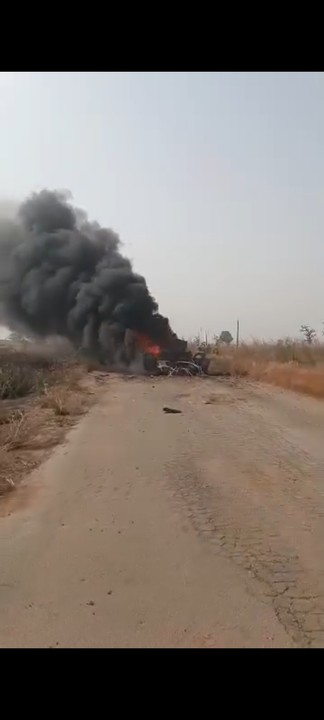
An improvised explosive device reportedly detonated along a major road in Zamfara State, destroying a Nigerian Army armoured carrier that was escorting civilian motorists through the area.
Sources familiar with the incident said the explosion occurred while the military convoy was providing security coverage for travellers along the route, an area that has recorded repeated attacks by armed groups. The blast caused extensive damage to the armoured vehicle and temporarily halted traffic as panic spread among motorists nearby.
Details surrounding the incident remain limited, but local accounts indicated that security personnel were responding to ongoing threats within the region at the time of the explosion. Casualty figures had not been officially confirmed as of press time, and military authorities were yet to issue a formal statement outlining the extent of the damage or any possible injuries.
Zamfara State has continued to experience persistent security challenges in recent years, including roadside ambushes, mass kidnappings, and attacks targeting both civilians and security forces. The increasing deployment of improvised explosive devices has emerged as a growing threat, raising concerns about the safety of military convoys and civilian traffic operating along major transportation corridors.
Security analysts noted that the incident highlights the need for strengthened counter-IED strategies and sustained security operations aimed at restoring safety and confidence along critical routes in the North-West region.
Authorities are expected to conduct a comprehensive investigation into the explosion, while motorists have been advised to remain vigilant and adhere strictly to security advisories when travelling through identified high-risk areas.