
Nigeria’s handling of recent diplomatic pressure from the United States has sparked widespread debate, with supporters describing the country’s approach as a demonstration of strength and independence on the global stage.
According to this view, the United States had anticipated that Nigeria would seek dialogue or send senior political figures to Washington after issuing its warnings. However, President Bola Tinubu reportedly chose not to directly engage the perceived pressure, nor did he personally lead or dispatch a high-ranking delegation to the US capital.
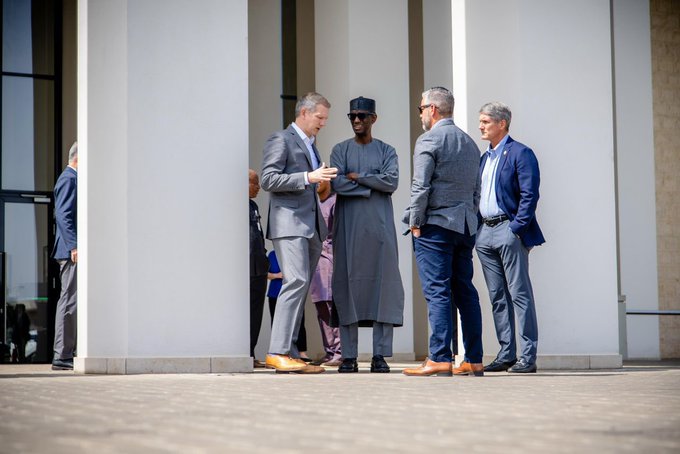
Supporters of the administration point to subsequent developments, claiming that the United States later sent members of Congress to Nigeria. They argue that the visit was carried out without ceremonial reception by the Presidency or top-ranking federal political office holders, which they describe as a signal that Nigeria was not willing to cower or be intimidated.
Those advancing this perspective say the episode reflects Nigeria’s long-standing position as a dominant force on the African continent, often referred to as the “giant of Africa,” and view the response as an assertion of national sovereignty and self-confidence in foreign relations.
The situation has also been compared with South Africa’s approach to international disputes, with critics suggesting that Pretoria has, in contrast, been quicker to engage Washington directly in its dealings with former US President Donald Trump. They argue that Nigeria’s stance offers a different model of engagement with powerful global actors, particularly when facing diplomatic pressure.
While opinions remain divided, the episode has fueled broader discussions about Africa’s major economies, their foreign policy strategies, and how they choose to respond to perceived bullying on the international stage.

