
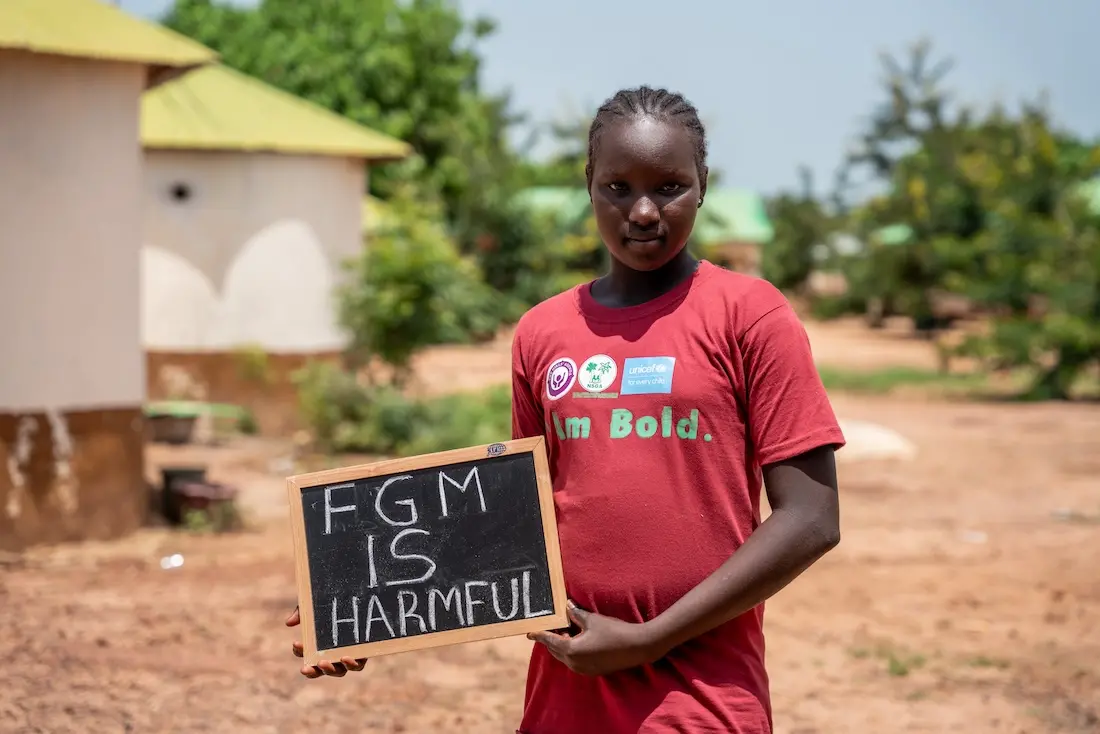
A renewed campaign to end Female Genital Mutilation (FGM) in Nigeria is gaining momentum in Benin City, with experts asserting that protecting girls from this harmful practice is both an urgent act of genuine love and a crucial national duty. They emphasized that society must secure the future, health, and dignity of girls, rather than inflict irreversible harm.
The experts voiced their concerns during a two-day media dialogue on the dangers of FGM, convened by UNICEF. They lamented that some families still subject their daughters to FGM, mistakenly believing it to be an expression of love. The dialogue issued a strong appeal for men to step up and take responsibility in the fight.
Dennis Onoise, a UNICEF Child Protection Specialist, warned that Nigeria holds the unenviable position of being the third highest in FGM prevalence globally. He clarified that FGM is often misunderstood and includes practices beyond cutting, such as applying substances like Vaseline to a baby girl’s clitoris, which can cause permanent damage. He debunked common justifications for the practice, noting that myths about preventing promiscuity are false, as survivors are found among all segments of society, including commercial sex workers. Onoise also highlighted the severe and permanent health risks survivors face, including difficulties with urination, and complications in marriage, pregnancy, and childbirth.
FGM consultant Mrs. Aderonke Olutayo pointed out a critical gap in enforcement, noting that despite laws like the Violence Against Persons Prohibition (VAPP) Act, there have been no formal reports of FGM in most South-West states since 2014, even though evidence shows the practice continues. She attributed this silence to fear of reprisals, stigma, weak links between communities and law enforcement, and poor awareness of legal protections. Olutayo also warned that this silence emboldens perpetrators, including some health workers who perform FGM secretly.
A key point of discussion was the absence of men in FGM interventions. Olutayo stressed that this exclusion is dangerous, as fathers and male relatives are often the key decision-makers on whether a girl is cut. “When men are not informed, they can unknowingly reinforce harmful traditions. But when engaged, they can become the strongest allies for change,” she said.
The dialogue also spotlighted the plight of survivors, who often suffer in silence due to shame and denial. Participants agreed on the urgent need for wider awareness campaigns in local languages, confidential reporting channels, and better training for health workers. The overarching call was for the direct involvement of men and boys as advocates in homes, schools, places of worship, and the wider community.
The event concluded with a sense of historical perspective and duty. “Just like families once believed tribal marks were necessary, one day FGM will be remembered as an outdated norm,” Onoise stated. Olutayo reinforced this, noting, “Families often cut their daughters believing it is an act of love. It is our job to show them that true love means protecting a girl’s future, not harming it.”
The consensus was clear: Nigeria will end FGM only when men refuse to remain bystanders and society collectively embraces the task as a national duty to its girls and women.

