
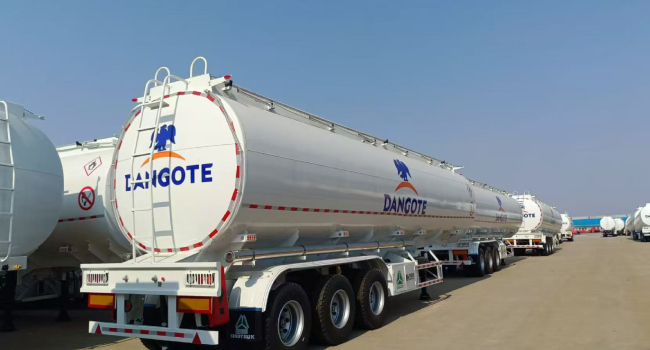
A dispute between the Dangote Petroleum Refinery and the Petroleum and Natural Gas Senior Staff Association of Nigeria (PENGASSAN) has triggered a sharp 33% increase in cooking gas prices, creating severe hardship for households nationwide.
The price of a kilogram of Liquefied Petroleum Gas (LPG) has jumped from ₦1,200 to ₦1,600 in just two weeks. This acute shortage has forced families in major cities like Lagos, Abuja, and Port Harcourt to ration their consumption or turn to cheaper, more polluting alternatives like kerosene, firewood, and charcoal.
The crisis stems from a strike by PENGASSAN, which has halted the discharge of LPG from a vessel at the Apapa port. The union is protesting the dismissal of over 800 workers by the refinery, which it claims were terminated unfairly. Despite a nine-hour mediation meeting led by the Minister of Labour and Employment, the deadlock continues as the refinery has refused to reinstate the employees.
“There’s no loading in any depot as we speak now. Virtually all the storage facilities are dry,” said Olatunbosun Oladapo, President of the Nigerian Association of Liquefied Petroleum Gas Marketers (NALPGAM). He warned that the situation could become a “national emergency” if not resolved within days, with prices potentially reaching ₦2,000 per kilogram.
Retailers report being at the mercy of producers, criticizing the federal government for its lack of decisive intervention. The scarcity, combined with existing pressures from rising global gas prices and foreign exchange challenges, is also undermining Nigeria’s clean energy transition by pushing citizens toward environmentally harmful fuels.
For now, with the strike ongoing and no clear resolution in sight, Nigerians remain in the grip of a deepening cost-of-living crisis.

